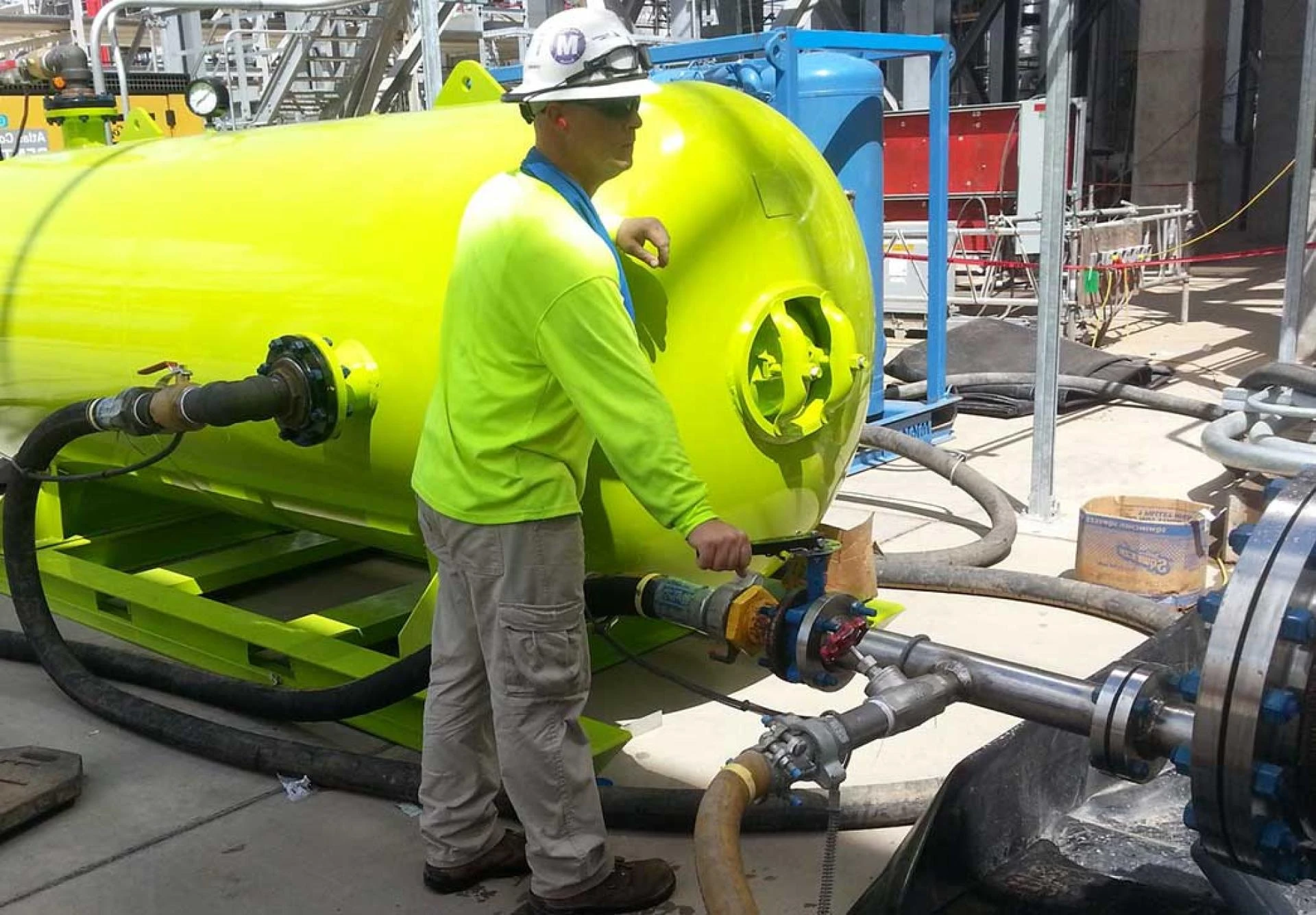

Refineries across the Gulf Coast continuously refine their commissioning practices to meet stricter safety, environmental, and efficiency standards. In recent years, techniques like industrial hydro pigging in Houston has emerged as superior solutions for pipeline preparation and drying, replacing traditional nitrogen purging in critical applications. The transition toward hydro pigging and air drying reflects a deliberate shift toward safer, cleaner, and more cost-effective operations in high-stakes refinery environments.
The Limits of Nitrogen Purging
Nitrogen purging once dominated refinery and petrochemical startups as the go-to method for displacing oxygen and moisture from pipelines. However, the practice comes with increasing scrutiny. Nitrogen, while inert, poses significant safety risks—especially in confined spaces—where accidental asphyxiation or over-pressurization incidents can occur. Additionally, the environmental impact of large-scale nitrogen release and the logistical complexity of sourcing and controlling gas volumes make it an inefficient choice for modern facilities.
For refineries under tight schedules, nitrogen purging introduces additional steps that delay commissioning. It often fails to deliver full moisture removal, leaving residual water that can cause corrosion or contamination. As plants seek faster, safer, and more sustainable cleaning processes, hydro pigging and air drying have become preferred alternatives.
How Hydro Pigging Improves Pipeline Cleanliness
The pipeline cleaning hydro pig in Houston technique represents a breakthrough in internal pipeline cleaning and drying. It uses specially designed polyurethane or composite pigs propelled by water to scrub and flush debris, scale, and contaminants from pipe interiors. The hydro pig moves through the line at controlled velocities, ensuring consistent cleaning action without damaging coatings or internal surfaces.
Unlike chemical flushing or simple water rinsing, hydro pigging physically removes solids and residues that accumulate during fabrication, hydrotesting, or prolonged idle periods. The process significantly reduces particle counts and prevents the risk of system fouling during startup. When executed by specialized contractors, hydro pigging follows a systematic approach—beginning with line inspection, pig selection, flow velocity modeling, and followed by real-time monitoring for cleanliness verification.
Advantages of Air Drying Over Nitrogen Purging
Once the pipeline is cleaned using industrial hydro pigging in Houston, the next critical step is drying. This is where air drying outperforms nitrogen purge systems. Instead of using large nitrogen volumes, refineries now employ dry, oil-free compressed air to remove moisture from lines. The air is passed through advanced desiccant or refrigeration dryers, achieving dew points as low as -40°F to -70°F.
This approach not only ensures moisture-free systems but also eliminates the oxygen displacement hazard inherent in nitrogen use. Because air is breathable, technicians can monitor and perform maintenance near drying systems without exposure risk. Furthermore, air drying minimizes pressure fluctuations and provides precise dew point control, ensuring predictable results during commissioning.
For HSE officers and plant engineers, the switch to air drying means measurable safety improvements, lower environmental impact, and simplified logistics—no nitrogen cylinders, no venting control issues, and no added hazard zones.
Efficiency, Safety, and Environmental Impact
Refineries in Houston and the greater Gulf Coast area operate within strict environmental and safety frameworks. Hydro pigging and air drying align perfectly with these standards. By combining mechanical cleaning with controlled airflow, facilities achieve faster drying cycles, verified cleanliness, and reduced downtime. The approach cuts nitrogen usage, which in turn lowers greenhouse gas contributions from nitrogen production and transportation.
The use of air-drying systems also contributes to sustainability initiatives—many units use electric or low-emission compressors, significantly reducing carbon footprint. In addition, hydro pigging systems recycle water when possible, further conserving resources. These efficiencies create direct cost savings while demonstrating compliance with evolving EPA and OSHA guidelines.
Example of Proven Industrial Application
Specialized firms near Houston, such as ICCI (Industrial Commissioning Consultants International), have refined these processes to serve major refineries, LNG terminals, and petrochemical facilities. Their field-tested methods use proprietary pigging tools, controlled flow modeling, and oil-free air drying systems to meet dryness specifications before plant startup. By integrating detailed engineering, safety controls, and real-time monitoring, contractors can guarantee lines are dry-from-clean and ready for commissioning without nitrogen exposure risks.
Through precision equipment and disciplined execution, such service providers demonstrate how air-based drying and hydro pigging can outperform older purging systems. Their projects consistently achieve shorter startup times, zero safety incidents, and verifiable cleanliness results that meet both domestic and international standards.
Why Refineries Prefer Hydro Pigging and Air Drying
Ultimately, the choice between nitrogen purging and hydro pigging with air drying is about safety, reliability, and cost control. Hydro pigging offers thorough debris removal that nitrogen purging cannot match, while air drying achieves superior dryness without introducing oxygen-free hazards. Together, they provide a cleaner, safer, and more sustainable path to pipeline commissioning.
Refineries now prioritize techniques that enhance both system integrity and worker safety. By leveraging advanced methods like industrial hydro pigging in houston alongside modern air drying, Houston’s refinery network continues to lead the energy sector in operational excellence and risk reduction.
Conclusion
The growing preference for hydro pigging and air drying over nitrogen purge marks a significant evolution in refinery commissioning strategy. The industrial hydro pigging in houston process ensures debris-free pipelines, while air drying secures moisture-free systems with minimal environmental impact. Supported by proven methods such as the pipeline cleaning hydro pig in houston, this approach delivers safer operations, faster startups, and long-term pipeline integrity. For engineers and HSE leaders, adopting these techniques isn’t just about innovation—it’s about protecting people, assets, and the planet.

























Sign in to leave a comment.