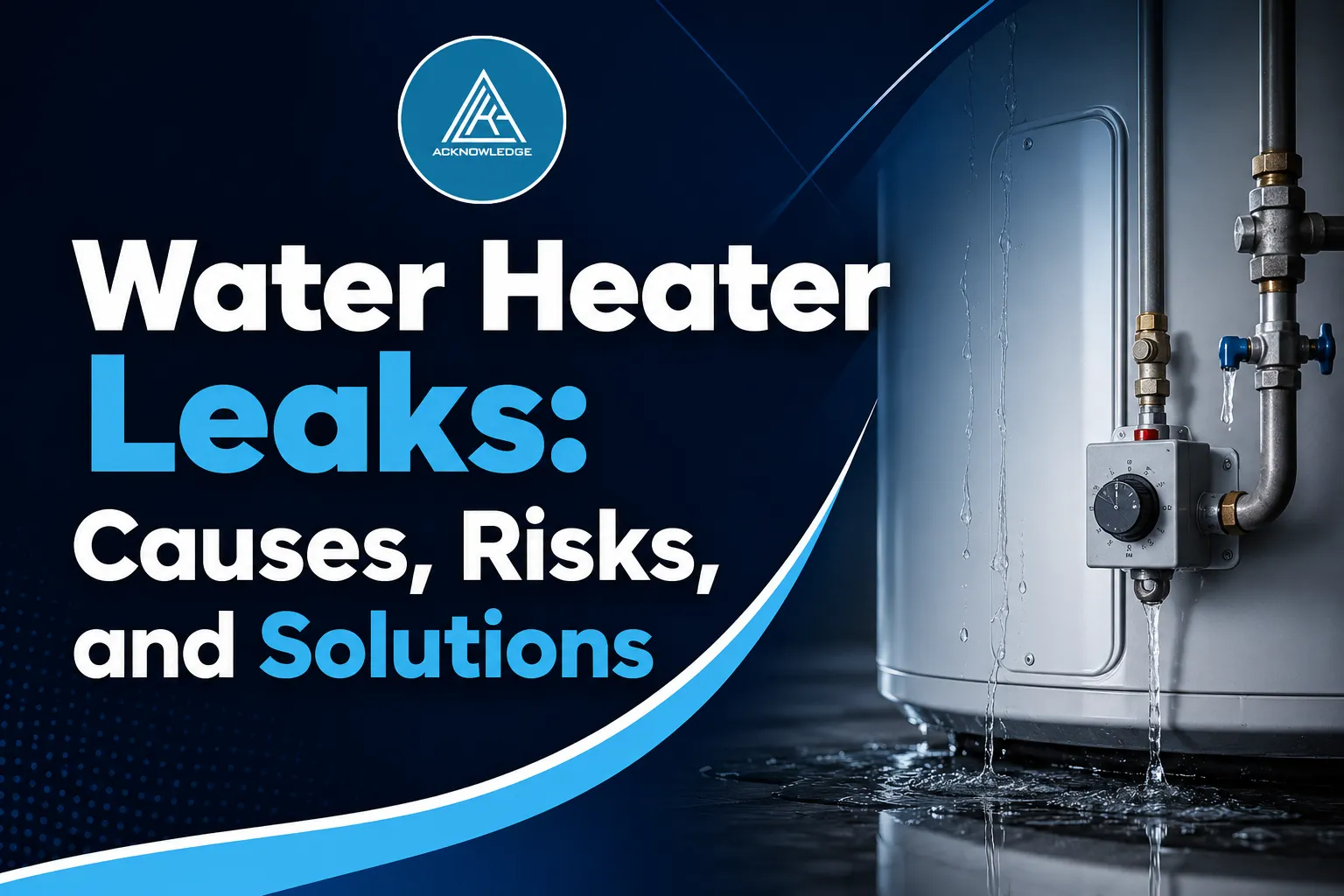

A leaking water heater is one of those plumbing problems that homeowners often ignore until it becomes a major issue. Even a small leak can lead to water damage, mold growth, higher utility bills, and costly repairs if left unaddressed. Understanding the causes of water heater leaks and knowing what steps to take can help you protect your home and avoid unnecessary expenses.
If you've noticed moisture around your water heater, puddles on the floor, or a sudden increase in water usage, it's important to act quickly. In some cases, professional services such as leak detection in Carmichael can help identify hidden plumbing issues before they cause significant damage.
Common Causes of Water Heater Leaks
Water heaters can leak for several different reasons. Some problems are minor and repairable, while others may indicate it's time for a replacement.
Loose Connections
One of the simplest causes of a water heater leak is a loose connection. Over time, the pipes and fittings connected to the unit can loosen due to vibration, water pressure changes, or normal wear and tear.
If the leak is coming from the top of the unit, checking the inlet and outlet connections may reveal the problem.
Corrosion Inside the Tank
Water heaters are constantly exposed to water, minerals, and heat. As the unit ages, corrosion can develop inside the tank. Once rust eats through the metal, leaks may begin to appear.
Unfortunately, a corroded tank usually cannot be repaired and often requires replacement.
Faulty Temperature and Pressure Relief Valve
The temperature and pressure relief valve is designed to release excess pressure from the tank. If this valve becomes defective or if pressure builds up excessively, water may leak from the valve area.
This issue should be inspected promptly to ensure the water heater is operating safely.
Sediment Buildup
Minerals from hard water can settle at the bottom of the tank over time. This sediment buildup forces the water heater to work harder and can eventually damage the tank lining.
Regular maintenance and flushing can help prevent sediment-related issues.
Cracked Drain Valve
The drain valve located near the bottom of the tank is used during maintenance and flushing. If the valve becomes damaged or worn, small leaks may develop around it.
In many cases, replacing the valve can solve the problem.
Risks of Ignoring a Water Heater Leak
Many homeowners assume a small leak isn't a big deal. However, even minor leaks can lead to serious consequences over time.
Water Damage
Water can quickly damage flooring, drywall, cabinets, and nearby belongings. If left unchecked, repairs can become expensive.
Mold and Mildew Growth
Moist environments create ideal conditions for mold and mildew. This can affect indoor air quality and lead to additional cleanup costs.
Higher Utility Bills
Leaks waste water and can increase utility expenses. Additionally, a struggling water heater often uses more energy to maintain hot water.
Complete System Failure
A neglected leak may eventually lead to a complete water heater breakdown, leaving your household without hot water when you need it most.
Water Heater Repair or Replacement?
One of the biggest questions homeowners face is whether to repair or replace a leaking water heater.
If the issue involves a valve, fitting, or connection, repairs may be relatively simple and affordable. However, if the tank itself is leaking due to corrosion, replacement is usually the most practical solution.
When shopping for a new unit, it's important to focus on quality and long-term value. Choosing the lowest-priced model isn't always the best decision, as cheap water heaters can cost more in the long run when performance and durability are considered. Investing in a reliable system often results in fewer repairs and better energy efficiency over time.
How to Prevent Water Heater Leaks
Preventive maintenance is one of the best ways to extend the life of your water heater.
Here are a few helpful tips:
- Schedule annual water heater inspections.
- Flush the tank regularly to remove sediment.
- Inspect valves and connections for signs of wear.
- Monitor water pressure levels.
- Replace aging units before major failures occur.
Regular maintenance can catch small issues before they become expensive emergencies.
Conclusion
Water heater leaks should never be ignored. Whether caused by loose connections, sediment buildup, faulty valves, or tank corrosion, leaks can quickly lead to water damage and costly repairs. Identifying the source early and taking prompt action can help protect your home and extend the life of your plumbing system.
Routine inspections and maintenance are the best defenses against unexpected water heater problems. If you notice signs of a leak, addressing the issue sooner rather than later can save both time and money.
FAQs
What causes a water heater to leak?
Common causes include loose connections, corrosion, sediment buildup, faulty valves, and excessive pressure inside the tank.
Is a leaking water heater dangerous?
It can be. Leaks may cause water damage, mold growth, and in some cases indicate pressure-related safety concerns.
Can a leaking water heater be repaired?
Some leaks can be repaired if they originate from valves, fittings, or connections. A leaking tank often requires replacement.
How long do water heaters typically last?
Most traditional water heaters last between 8 and 12 years, depending on maintenance and water quality.
Should I replace my water heater if it is leaking?
If the tank itself is leaking due to corrosion, replacement is generally the most cost-effective long-term solution.

























Sign in to leave a comment.