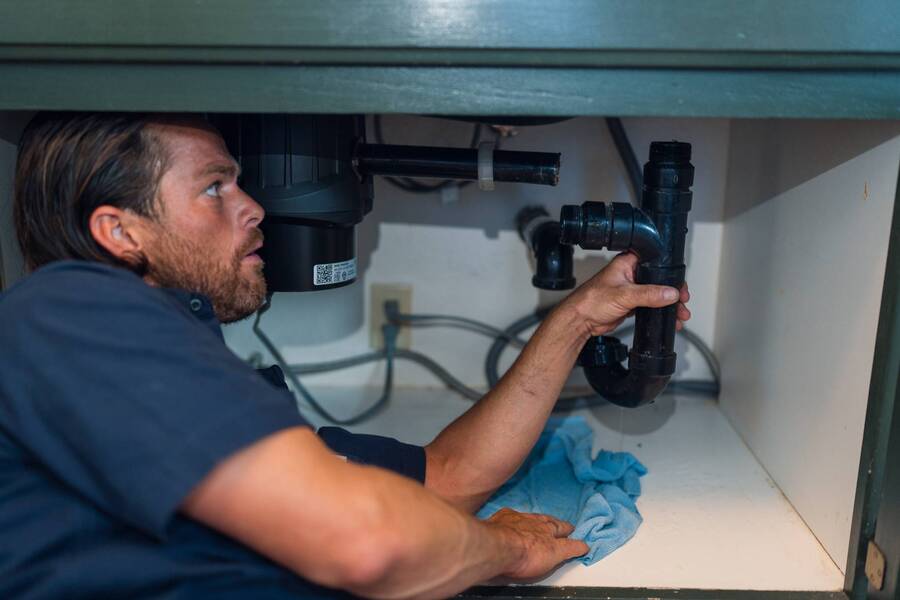

Hidden water leaks are one of the most damaging plumbing problems homeowners face. Because they develop out of sight, they often go unnoticed until serious damage has already occurred. Understanding where hidden leaks commonly form can help homeowners act early, reduce repair costs, and protect the overall condition of their property.
Many residential plumbing systems run through walls, under floors, and beneath concrete foundations. Over time, pipes can wear down due to age, corrosion, or pressure changes. When leaks develop in these concealed locations, moisture spreads slowly and silently, creating long-term issues that are difficult to reverse.
Leaks Behind Interior Walls
One of the most common places for hidden leaks is behind interior walls. Water supply lines for sinks, showers, and toilets often run through wall cavities. Small cracks or loose connections can allow water to seep into drywall and insulation. Because the moisture remains hidden, homeowners may not notice a problem until discoloration, peeling paint, or mold odors appear.
Leaks behind walls are particularly dangerous because they weaken structural materials over time. Prompt inspections are essential when signs such as damp spots or musty smells begin to develop.
Leaks Under Flooring
Another frequent problem area is beneath flooring materials such as tile, hardwood, or carpet. Plumbing pipes installed under floors can leak slowly, allowing moisture to spread across the subfloor. This often leads to warped boards, loose tiles, or soft areas that feel unstable when walked on.
In some cases, homeowners notice warm or damp patches on the floor. These signs should never be ignored, as prolonged exposure to moisture can cause extensive damage and require costly repairs.
Slab Leaks Beneath Foundations
Slab leaks occur when pipes beneath a concrete foundation develop cracks or breaks. These leaks are among the hardest to detect because they are completely hidden underground. Soil movement, aging pipes, and water pressure fluctuations are common causes.
Homeowners may notice unusually high water bills, reduced water pressure, or cracks in walls and flooring. Professional Leak Detection in Roseville services are often required to accurately locate slab leaks without damaging the foundation.
Bathroom Plumbing Leaks
Bathrooms are high-risk areas for hidden leaks due to constant water use. Pipes behind shower walls, under bathtubs, and beneath bathroom sinks can leak slowly when seals fail or connections wear out. Drain lines can also crack, allowing water to escape unnoticed.
Over time, this trapped moisture can lead to mold growth and wood rot. Regular inspections and early repairs help prevent serious structural issues in bathroom areas.
Kitchen Plumbing Leaks
Kitchens contain multiple water connections, including sinks, dishwashers, and refrigerator supply lines. Leaks in these areas often develop behind cabinets or walls, making them difficult to spot. Homeowners may notice damp cabinet bases, swelling wood, or persistent odors.
Because kitchens are frequently used, even a small leak can release large amounts of water over time. Addressing these issues early helps maintain both plumbing efficiency and indoor hygiene.
Laundry Room and Appliance Leaks
Laundry rooms are another overlooked source of hidden leaks. Washing machine hoses and drain lines experience frequent pressure changes and movement. Small cracks or loose fittings can allow water to escape behind walls or under floors.
Routine maintenance and replacing worn hoses reduce the risk of damage in these areas. Early detection is key to preventing flooding and structural deterioration.
Outdoor and Underground Leaks
Hidden leaks are not limited to indoor spaces. Underground pipes supplying water to the home and irrigation systems can also develop leaks. These issues often show up as soggy soil, unusually green grass, or reduced water pressure inside the house.
Because outdoor leaks waste significant amounts of water, they can impact both utility costs and plumbing performance. Leak Detection Roseville inspections help identify these issues before they spread further.
The Value of Professional Detection
Detecting hidden leaks requires specialized tools and expertise. Professionals use acoustic sensors, moisture meters, and pressure testing to locate leaks accurately without unnecessary damage. Homeowners who rely on experts such as Acknowledge Plumbing benefit from precise solutions and long-term protection.
Working with experienced professionals like Acknowledge Plumbing ensures that hidden plumbing problems are addressed efficiently and safely.
Final Words
Hidden leaks can develop in many areas of a home, often without clear warning signs. Knowing where these leaks commonly occur allows homeowners to act quickly, prevent costly damage, and maintain a safe and efficient living space.
FAQs
1. Why are hidden leaks dangerous for homes?
They cause long-term moisture damage, mold growth, and structural weakening.
2. How can homeowners detect leaks early?
Monitoring water bills, watching for damp spots, and scheduling inspections help identify issues early.
3. Are slab leaks difficult to repair?
They can be complex, but professional detection makes repairs more targeted and effective.
4. Can appliance hoses cause hidden leaks?
Yes, worn or loose hoses are a common source of hidden water damage.
5. Should older homes be inspected more often?
Yes, aging pipes are more prone to leaks and benefit from regular inspections.



























Sign in to leave a comment.