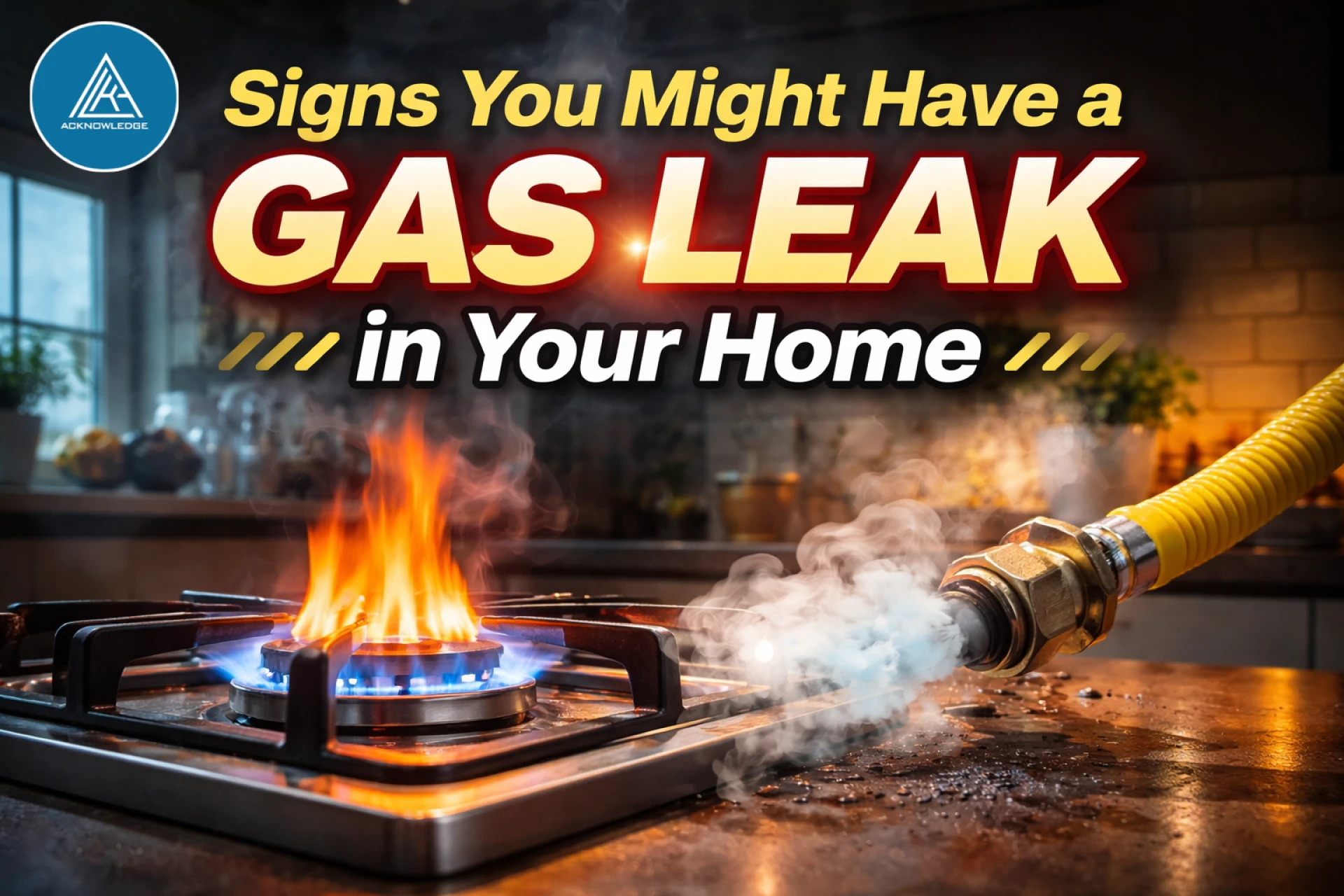

Gas leaks are one of the most serious issues a homeowner can face. Unlike water leaks, they can pose immediate health and safety risks if not handled quickly. The tricky part? Gas leaks aren’t always obvious. That’s why many homeowners rely on services like leak detection in Citrus Heights to catch problems early and stay safe. In this guide, we’ll walk you through the key warning signs so you know exactly what to look for.
Why Gas Leaks Are Dangerous
Natural gas is highly flammable, and even a small leak can lead to serious consequences if ignored. In addition to fire hazards, gas leaks can also affect your health.
Common risks include:
- Fire or explosion
- Breathing issues
- Nausea or dizziness
- Long-term health complications
That’s why recognizing the signs early is so important.
Why Ignoring Signs Is Risky
It’s easy to overlook small warning signs, especially if they don’t seem urgent. But the reality is, some homeowners delay gas line repair and regret it when minor issues turn into major emergencies.
Delaying action can lead to:
- Increased safety risks
- Expensive repairs
- Potential property damage
- Serious health hazards
Taking action early is always the safer option. That said, these are the main warning signs you should watch out for:
1. The Smell of Rotten Eggs
One of the most well-known signs of a gas leak is a strong sulfur or rotten egg smell.
Why it happens:
Natural gas is actually odorless, but utility companies add a chemical called mercaptan to make leaks easier to detect.
If you notice this smell inside your home, don’t ignore it. It’s often the first and most obvious warning sign.
2. Hissing or Whistling Sounds
Gas leaks can sometimes create a noticeable sound.
What to listen for:
- Hissing near gas lines or appliances
- Whistling sounds coming from pipes
These noises usually indicate gas escaping from a pipe or connection.
3. Dead or Dying Plants
If your indoor or outdoor plants suddenly start dying without a clear reason, it could be due to a gas leak.
Signs include:
- Yellowing leaves
- Wilting despite proper care
- Plants dying in a specific area
Gas leaks can block oxygen from reaching plant roots, causing damage.
4. Physical Symptoms You Shouldn’t Ignore
Gas leaks don’t just affect your home—they can affect your body too.
Common symptoms:
- Headaches
- Dizziness
- Nausea
- Fatigue
- Difficulty breathing
If multiple people in your home experience these symptoms at the same time, it could be a serious warning sign.
5. Higher Than Usual Gas Bills
An unexplained increase in your gas bill can indicate a leak.
What to watch for:
- Sudden spikes in usage
- No change in your gas consumption habits
A hidden leak can waste gas continuously, leading to higher costs.
6. Pilot Lights Keep Going Out
If your gas appliances’ pilot lights frequently go out, it could be due to a gas line issue.
Possible causes:
- Gas pressure problems
- Leaks in the line
- Faulty connections
This is often an early sign that something isn’t right.
7. Unusual Air Bubbles Outdoors
If you suspect a leak outside your home, check for bubbling in standing water or wet areas.
Why it happens:
Gas escaping underground can create air pockets, which show up as bubbles when they reach the surface.
8. Dust or Dirt Blowing in the Air
In some cases, a gas leak can cause visible movement in dirt or dust.
Look for:
- Dirt being blown upward near gas lines
- Unusual patches of disturbed soil
This usually indicates gas escaping from underground pipes.
What to Do If You Suspect a Gas Leak
If you notice any of these signs, take immediate action:
- Leave the area immediately
- Avoid using electrical switches or appliances
- Don’t light matches or create flames
- Call emergency services or your gas provider
- Contact a professional for inspection and repair
Safety should always come first.
Professional Help Matters
Gas line issues are not something you should try to fix on your own. Professional plumbers have the tools and expertise to handle the situation safely.
Trusted experts like Acknowledge Plumbing can:
- Detect leaks accurately
- Repair or replace damaged gas lines
- Ensure your system is safe and compliant
Getting professional help ensures the problem is handled correctly the first time.
Tips to Prevent Gas Leaks
While not all gas leaks are preventable, you can reduce your risk with a few simple steps:
- Schedule regular gas line inspections
- Maintain your gas appliances properly
- Install gas detectors in your home
- Avoid DIY gas line repairs
- Keep an eye on warning signs
Prevention can save you from dangerous situations.
When Should You Call a Professional?
You should contact a professional immediately if:
- You smell gas
- You hear hissing sounds
- You notice physical symptoms
- Your gas bill suddenly increases
- Multiple warning signs appear
It’s always better to be safe than sorry.
Conclusion
Gas leaks are serious, but the good news is they often give warning signs before becoming dangerous. From unusual smells and sounds to health symptoms and dying plants, these signals should never be ignored.
By staying alert and acting quickly, you can protect your home and your family. If something feels off, trust your instincts and get professional help right away. Early detection and quick action can make all the difference.



















Sign in to leave a comment.