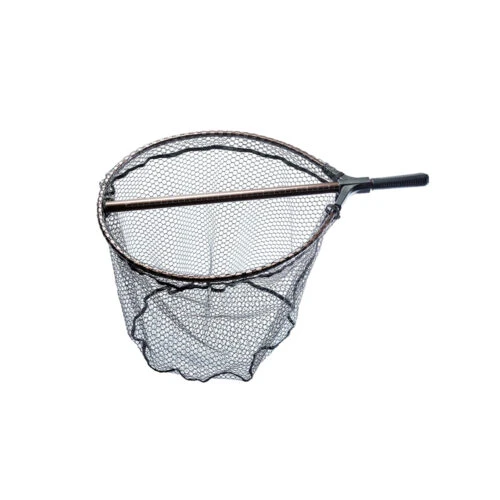

A good landing net is more than a convenience, it’s a quiet workhorse that sees action every time you bring a fish to hand. For fly anglers, the net often touches more trout in a season than the rod ever will. Over time, though, even the best nets wear out. The frame may hold strong, but the mesh can fray, tear, or simply lose its shape after countless days in the current. That’s where replacement nets for fishing nets come in. Instead of tossing a perfect frame, you swap the netting and keep your gear ready for more seasons on the water.
Why the Landing Net Matters
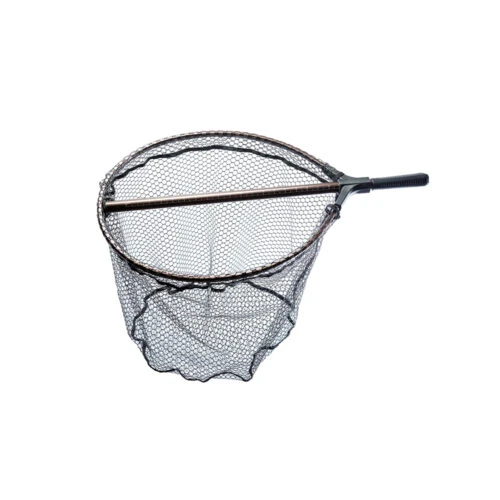
If you’ve ever tried landing a trout without a net, you know how quickly things can go wrong. Fish slip free at the last second, leaders snap, or you end up handling the trout too much, which is never good for its survival. A well-built net changes all of that. It gives you control in those final critical seconds, keeps fish safe, and shortens the fight so they swim away stronger.
At the same time, a landing net is one of the most abused tools in an angler’s kit. It scrapes across rocks, drags through brush, and soaks up sun, mud, and water every outing. Even a careful fisherman will eventually notice worn mesh or small holes forming. That’s natural. The important part is knowing you don’t need to replace the entire net.
The Value of Replacement Nets
Buying replacement nets for fishing nets is like putting new tires on a truck that still runs strong. You don’t scrap the whole vehicle; you swap the part that takes the most wear. It’s the same principle here. The frame, typically made of wood, aluminum, or composite materials, will last for years with minimal care. The netting is what takes the beating.
Replacing just the net has a couple of advantages. First, it saves money. Quality nets aren’t cheap, and there’s no sense in paying for a brand-new frame if yours is still solid. Second, sustainability. Fewer discarded nets mean less waste. For anglers who care about the waters they fish, making practical, lasting choices in gear fits the same ethic.
What to Look For
Not every replacement net is created equal. The material matters. Rubberized or coated nets, for example, are gentler on fish and less likely to snag flies. They also tend to last longer than thin nylon. Size is another factor, match the net to your frame and your target species. Too small, and you’ll struggle with larger trout. Too large, and you’ll end up lugging around more weight than you need.
Ease of attachment is worth considering, too. Some replacement nets are simple to lace onto the frame yourself, while others may require a bit more tinkering. Taking the time to fit it properly ensures you won’t be redoing the job mid-season.
Keeping Gear Ready for the River
Every angler has had a trip cut short by gear failure, and it’s rarely fun. A frayed net that finally gives out on the fish of the day is one of those frustrations you can prevent with a little foresight. Carrying a spare, reliable replacement net for fishing means you are ready. It’s a small habit that pays off with more time actually fishing and less time worrying.
Closing Thoughts
Fly fishing is built on very minute details, and the landing net is one of those tools that quietly shapes the experience. Replacing the mesh instead of the whole frame keeps your kit reliable, saves money, and makes practical sense for any angler who spends serious time on the water. The right replacement nets for fishing nets turn a worn tool back into a trusted companion. That kind of thinking, practical, sustainable, and focused on what matters, is exactly what anglers find in Adamsbuilt Fishing.



























Sign in to leave a comment.