
Description:
Remote fly fishing changes how you think about gear. Once you step away from easy access points and start following smaller rivers or quiet backcountry streams, every piece of equipment has to earn its place. Extra weight becomes noticeable fast, and anything hard to reach tends to stay unused. That is why many anglers eventually move toward simpler carry systems that stay close, balanced, and practical during long hours in moving water.
Key Insights:
Remote fishing rewards anglers who move often and adjust quickly. Gear needs to stay accessible without slowing you down. A compact pack reduces fatigue across long days of walking and wading. A smart organization keeps tools ready when conditions shift. Good pack design supports natural movement in the river rather than working against it.
Long Walks Before the First Cast
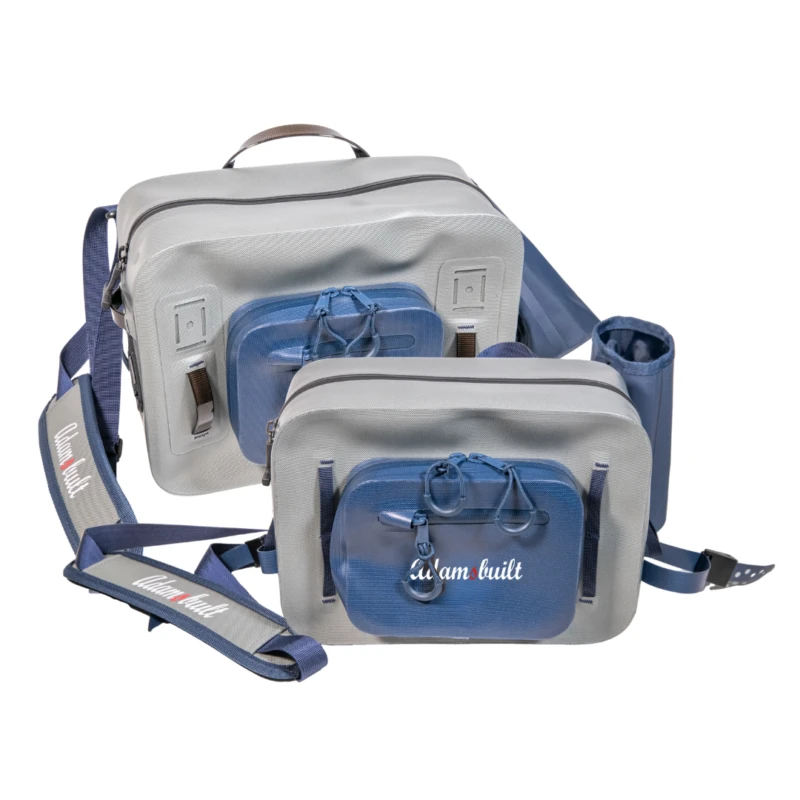
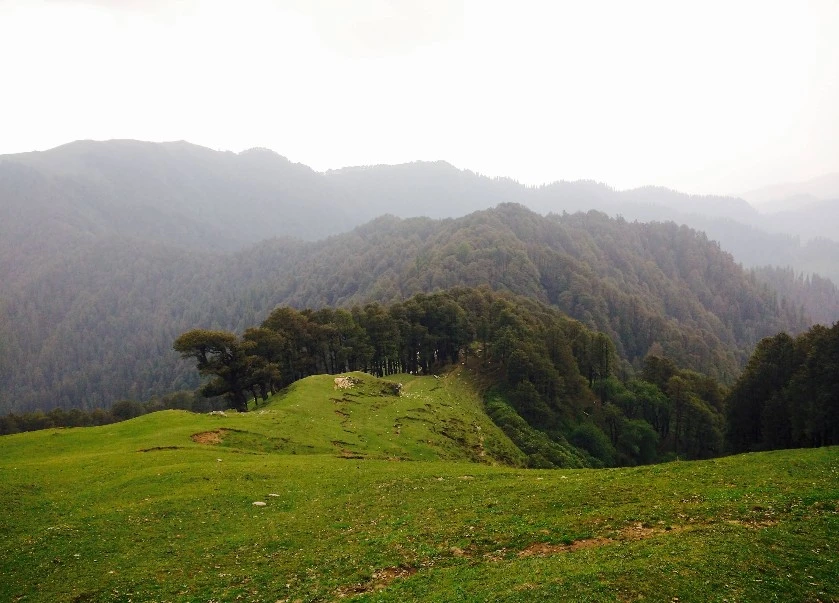
Most remote water requires some effort to reach. It might be a trail through trees, a narrow path along a canyon wall, or a stretch of uneven bank that keeps you watching your footing the entire time. By the time the river finally opens up ahead, you already know if your gear setup works or not. A bulky pack starts to feel unnecessary once you are standing in the current trying to change a fly or reach a tippet spool. A waterproof sling pack for anglers fits better in these situations because it stays close and moves with you. Instead of stopping, unstrapping, and digging through compartments, you swing the pack forward, grab what you need, and keep fishing. It sounds simple, but after a few miles on the water, that small convenience matters a lot.
When Constant Fly Changes Are Necessary
Remote rivers rarely fish the same way all day. Light shifts, insects start moving, or the water clears after a slight change in flow. Good anglers pay attention to these small signals and adjust quickly rather than sticking with one pattern out of habit. Having gear arranged practically makes that process smooth instead of frustrating. A typical setup that many anglers rely on includes:
- Fly boxes sorted by pattern type.
- Tippet spools are placed where fingers find them easily
- Nippers and forceps clipped in consistent spots
- Floatant and leaders are ready without searching
- A small snack or water tucked where it will not get crushed
None of this is complicated, but when everything is exactly where it should be, the fishing rhythm stays intact.
Wading Through Variable River Conditions
Rivers in remote areas rarely behave in predictable ways. One stretch may be shallow and gentle, then suddenly drop into a deeper run with a stronger current. Slippery stones, quick crossings, and the occasional unexpected splash are part of the day, whether you plan for them or not. Some anglers bring larger waterproof fishing gear bags for transport, which makes sense on the hike in, but once you step into the river, you start to appreciate lighter gear that does not shift around or catch on branches. A sling pack stays out of the way while still protecting the essentials. That balance between protection and freedom of movement becomes obvious the longer you stay on the water.
Fishing Areas With Limited Space to Stop
Certain rivers leave very few places to pause comfortably. Steep banks, brush along the shoreline, or slick rock edges make it awkward to put gear down even for a moment. You learn quickly that staying organized on your body works better than relying on places to rest equipment. This is where a waterproof sling pack for anglers proves its value again. Everything remains secure and reachable while you stay positioned in the run. Rotate the pack forward, change flies, slide it back, and continue fishing. It keeps the focus where it should be, which is on reading the current and watching how fish respond.
Covering Water in Remote Locations
One thing experienced anglers understand about remote fisheries is that standing in one place too long rarely pays off. Fish hold in pockets, under seams, behind rocks, or along shaded edges that you only find by moving. Walking upstream, checking each run carefully, and then continuing often produces better results than camping on a single stretch of water. Carrying gear that supports movement rather than slowing it down changes how you fish the river. The lighter and more organized the setup, the more ground you are willing to explore.
Why Pack Design Matters in the Field
Gear design has improved over the years largely because anglers kept pointing out what actually works in real conditions. Companies like Adamsbuilt Fishing pay attention to those details, especially how a pack performs when someone is standing knee deep in current, trying to change gear without losing balance. The difference often comes down to practical details such as strap comfort, compartment layout, and how naturally the pack rotates forward when needed. None of that sounds dramatic, but during a full day on a river, those small design decisions become surprisingly important.
Conclusion
Remote fly fishing has a way of simplifying things. After a few long days exploring quiet stretches of river, most anglers realize they do not need as much gear as they once thought. What they do need is equipment that works with them rather than getting in the way. A well-designed sling pack supports that kind of fishing by keeping essential tools close, protected, and ready when conditions change. If you are planning to spend more time on remote water, it may be worth looking at pack options that match how you actually fish. Take a look at the packs and bags available and choose something that will hold up when the river is a long walk away.


























Sign in to leave a comment.