The retail industry has evolved rapidly over the last decade. Today’s customers expect seamless shopping experiences across physical stores, eCommerce websites, mobile apps, and social media platforms. Managing inventory, customer data, sales, suppliers, and finances manually has become increasingly difficult for growing retailers. This is where Retail ERP Software plays a transformative role.
A modern Retail ERP System integrates all core business functions into a single platform, enabling retailers to streamline operations, reduce costs, and make data-driven decisions. Whether you own a small retail chain or a large enterprise, implementing ERP software can significantly improve efficiency, customer satisfaction, and long-term business growth.
What is Retail ERP Software?
Retail ERP Software (Enterprise Resource Planning) is an integrated business management solution designed specifically for retail businesses. It connects different departments — including inventory management, point of sale (POS), accounting, procurement, warehouse management, customer relationship management (CRM), and reporting — into one centralized system.
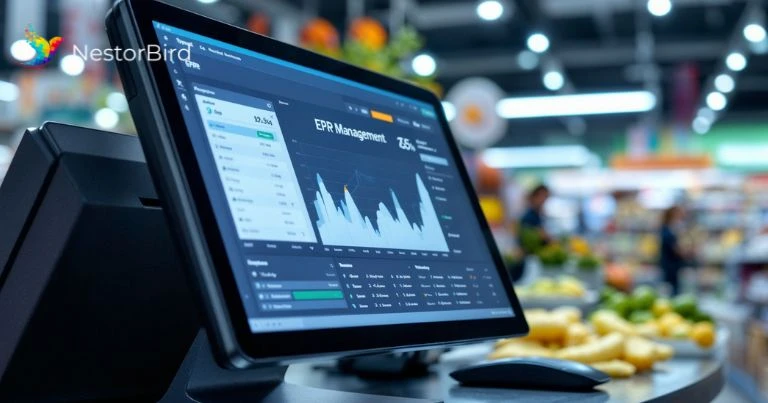
Instead of managing multiple disconnected software applications, retailers can access real-time information from a single dashboard, ensuring better visibility and operational control.
Why Modern Retail Businesses Need ERP Software
Retail businesses operate in a highly competitive environment where customer preferences change quickly. Stock shortages, delayed deliveries, pricing errors, and poor inventory planning can directly impact revenue and customer loyalty.
A robust Retail ERP Solution helps businesses overcome these challenges by automating repetitive tasks and providing accurate business insights.
Some major challenges solved by ERP software include:
- Inventory inaccuracies
- Poor demand forecasting
- Manual accounting errors
- Inefficient supply chain management
- Slow order processing
- Limited customer insights
By eliminating these bottlenecks, retailers can focus more on delivering exceptional customer experiences.
Key Benefits of Retail ERP Software
1. Centralized Inventory Management
Inventory is one of the most valuable assets for any retailer. Managing stock across multiple warehouses and stores manually often leads to overstocking or stockouts.
Retail ERP software offers real-time inventory tracking, enabling businesses to monitor stock levels, automate replenishment, and reduce inventory carrying costs. Retailers always know what products are available, where they are located, and when they need restocking.
2. Improved Sales and Order Management
An integrated ERP system synchronizes sales across multiple channels, including physical stores, online marketplaces, and eCommerce websites.
Orders are processed faster, inventory updates automatically, and customers receive accurate delivery timelines. This creates a smooth omnichannel shopping experience while minimizing order errors.
3. Better Customer Experience
Modern customers expect personalized experiences. Retail ERP software stores customer purchase history, preferences, and loyalty program data in one place.
Retailers can use these insights to:
- Offer personalized promotions
- Improve customer service
- Launch targeted marketing campaigns
- Increase customer retention
Satisfied customers are more likely to become repeat buyers and recommend the brand to others.
4. Automated Financial Management
Managing finances manually consumes valuable time and increases the risk of human error.
Retail ERP software automates:
- Invoicing
- Tax calculations
- Accounts payable
- Accounts receivable
- Financial reporting
Business owners gain complete visibility into cash flow, profitability, and operational expenses, helping them make informed financial decisions.
5. Smarter Supply Chain Management
A successful retail business depends on a reliable supply chain.
Retail ERP solutions improve supplier communication, automate purchase orders, monitor vendor performance, and optimize procurement processes.
With accurate demand forecasting, retailers can maintain optimal inventory levels while reducing unnecessary purchasing costs.
6. Real-Time Business Analytics
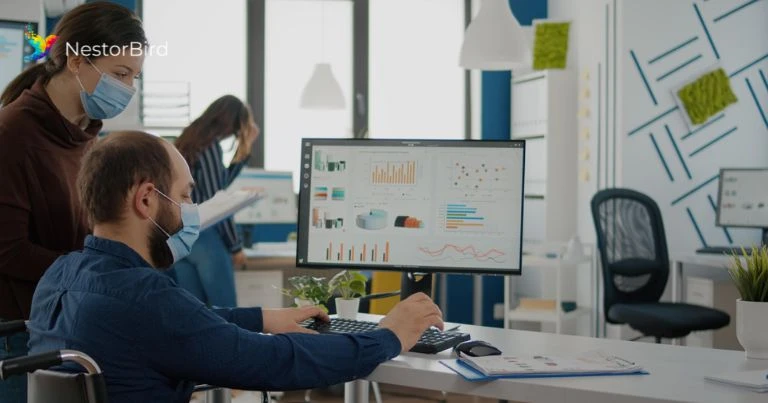
One of the biggest advantages of Retail ERP Software is access to real-time business intelligence.
Interactive dashboards provide insights into:
- Sales performance
- Inventory turnover
- Customer behavior
- Profit margins
- Best-selling products
- Employee productivity
These analytics help management identify growth opportunities and respond quickly to market changes.
How Retail ERP Supports Business Growth
Growth requires more than increasing sales — it requires scalable systems that can handle expanding operations without increasing complexity.
Retail ERP software supports business growth by:
Enhancing Operational Efficiency
Automation reduces repetitive administrative work, allowing employees to focus on customer engagement and strategic initiatives.
Supporting Multi-Store Management
Retailers operating multiple locations can monitor inventory, sales, pricing, and employee performance from a centralized platform.
Enabling Omnichannel Retail
Customers today shop across websites, mobile apps, marketplaces, and physical stores. ERP software synchronizes data across all channels, ensuring consistent pricing, inventory availability, and customer information.
Reducing Operational Costs
Automation minimizes paperwork, inventory losses, duplicate data entry, and unnecessary labor expenses, resulting in significant cost savings over time.
Facilitating Better Decision-Making
Access to accurate, real-time information allows retailers to make faster and more confident business decisions based on facts rather than assumptions.
Features to Look for in Retail ERP Software
Choosing the right ERP solution is essential for maximizing return on investment.
Important features include:
- Inventory Management
- Point of Sale (POS) Integration
- Customer Relationship Management (CRM)
- Warehouse Management
- Accounting and Finance
- Supply Chain Management
- Purchase and Vendor Management
- Business Intelligence & Analytics
- Mobile Accessibility
- Cloud-Based Deployment
- Multi-Store Management
- eCommerce Integration
Businesses should select a scalable ERP platform that can grow alongside their operations.
Industries That Benefit from Retail ERP
Retail ERP software is suitable for various retail sectors, including:
- Fashion and Apparel
- Grocery Stores
- Electronics Retailers
- Furniture Stores
- Supermarkets
- Pharmacy Chains
- Footwear Retailers
- Lifestyle Brands
- Home Décor Stores
- Department Stores
Regardless of the industry, ERP software simplifies operations and enhances business performance.
The Future of Retail ERP Software
Technology continues to reshape the retail landscape. Modern ERP solutions increasingly incorporate advanced technologies such as Artificial Intelligence (AI), Machine Learning (ML), predictive analytics, and cloud computing.
These innovations help retailers forecast demand more accurately, automate inventory planning, detect purchasing trends, and deliver personalized shopping experiences.
Cloud-based Retail ERP software also enables businesses to access data securely from anywhere, making remote management easier than ever before.
As retail continues to evolve, businesses that invest in intelligent ERP solutions will be better positioned to remain competitive and adapt to changing customer expectations.
Conclusion
Retail businesses today face increasing competition, changing consumer behavior, and growing operational complexity. Relying on disconnected systems and manual processes is no longer sustainable for long-term growth.
A powerful Retail ERP Software solution integrates inventory management, sales, finance, procurement, customer relationship management, and analytics into one centralized platform. This improves operational efficiency, reduces costs, enhances customer satisfaction, and provides valuable business insights.
Whether you’re managing a single retail outlet or expanding into multiple locations, investing in the right Retail ERP System can streamline daily operations and create a strong foundation for sustainable growth. In today’s fast-paced retail environment, ERP software is no longer a luxury — it’s a strategic investment that empowers businesses to scale with confidence.


























Sign in to leave a comment.