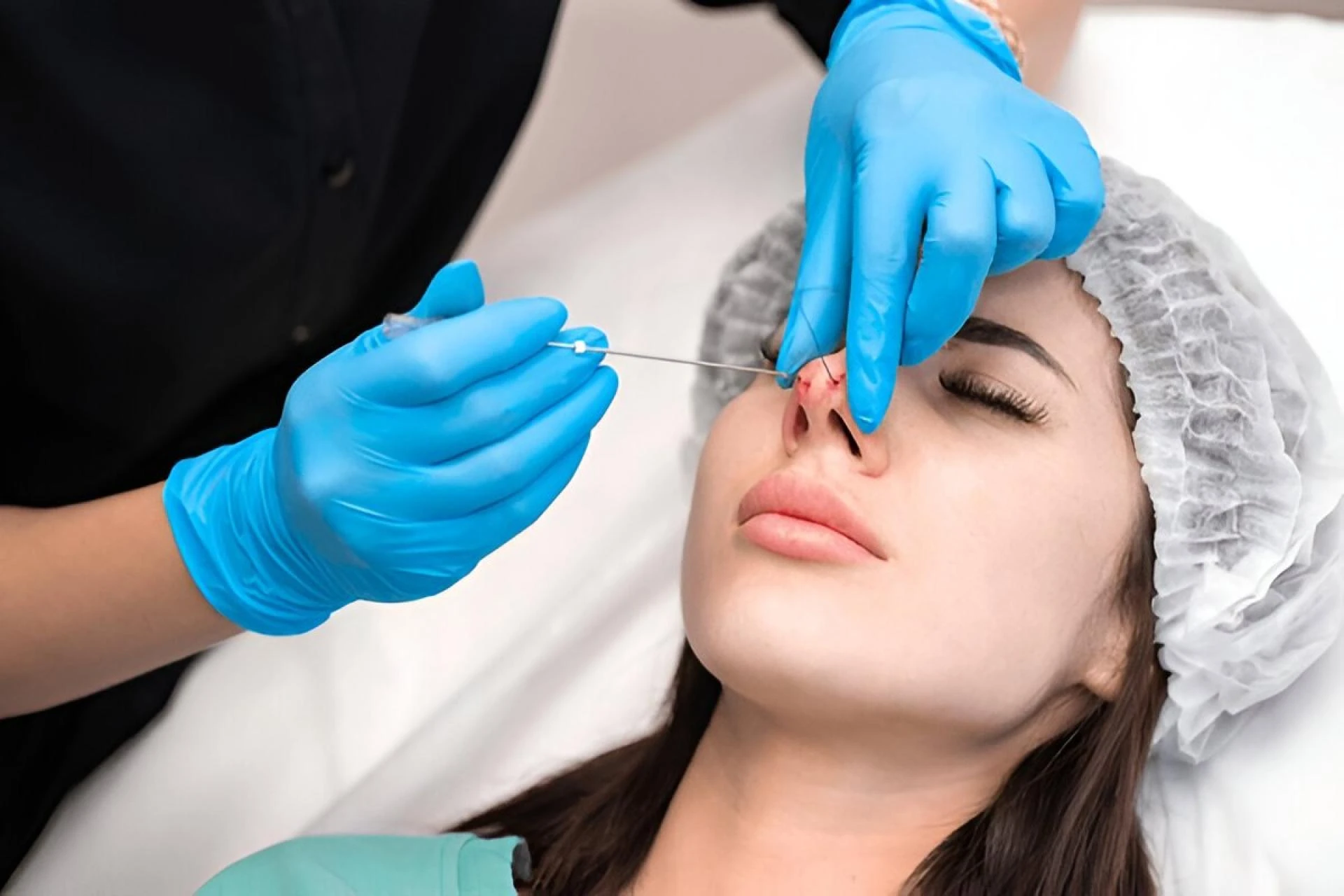

Rhinoplasty, a nose job, is a plastic surgery that can remedy concerns related to nose profile and functioning. It can be elected or recommended to address genetic defects like a broken/crooked nose or a deviated septum, which impedes breathing; a large, bulbous or downturned/upturned nasal tip; too too-big or too-small nose; sinus infections; and damages or defects of the nasal bridge or internal nose structures. Anyone can seek it to improve their facial balance and harmony. Read on to know about genetic nose shape defects and their correction with Nose Reshaping in Andheri.
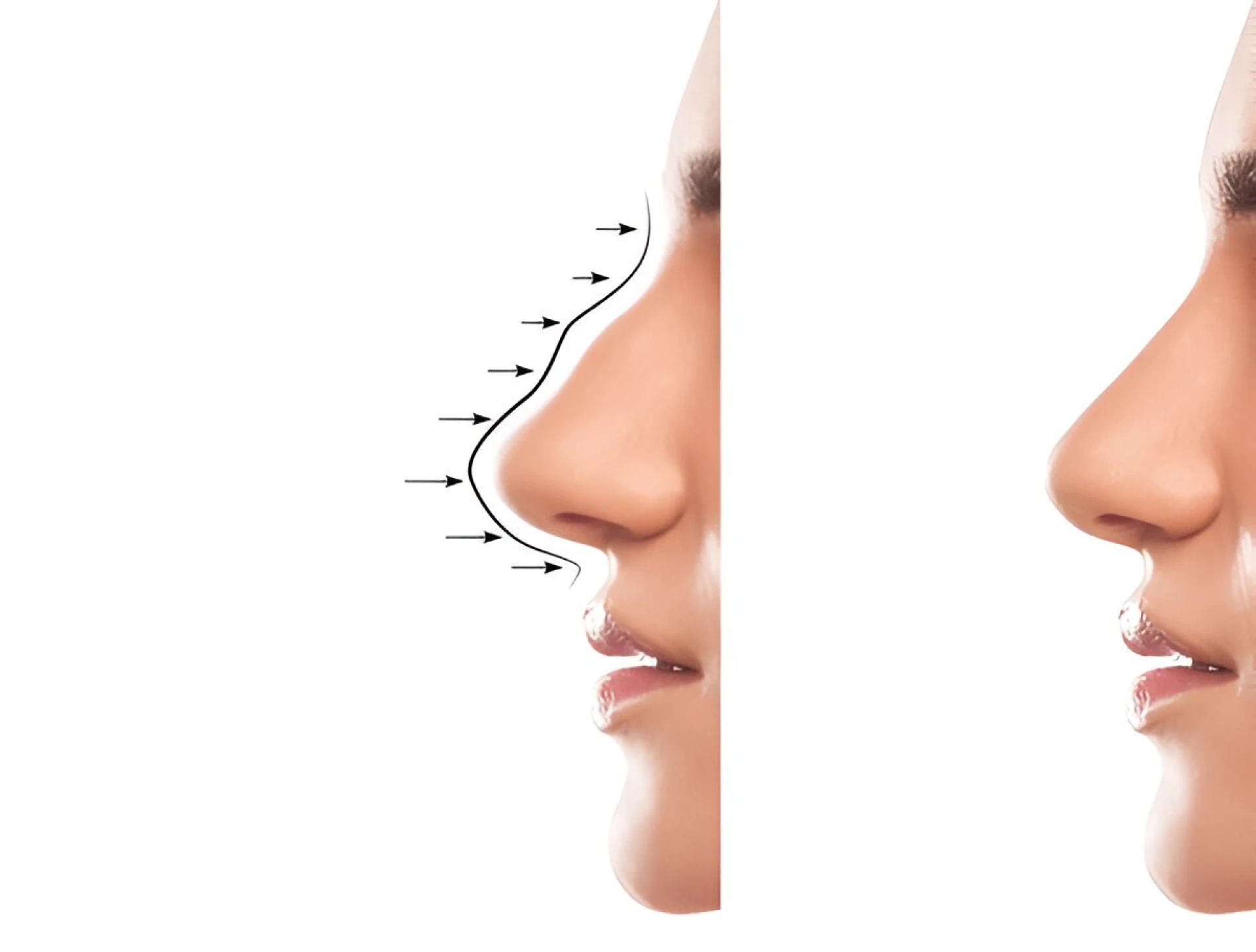
Some Genetic Nose Shape Defects
- Frontonasal Dysplasia- characterized by a flattened nose and a longer area between the nose and upper lip
- Maxillonasal Dysplasia/ Blinder Syndrome- characterized by a flattened nose and a shorter upper jaw
- Oculodentodigital Dysplasia- featuring a pinched nose with a narrow nasal bridge and prominent columella (the tissue separating nostrils)
- Char Syndrome- featuring a pinched, narrow nose
- Bifid Nose- featuring a split or cleft nose.
There are also certain genes marked for affecting different aspects of the nose shape, including the nose tip sharpness, the breadth of the nostrils, and the width of the nasal bridge.
How Rhinoplasty Aids in Correcting Genetic Nose Shape Defects?
A rhinoplasty works as a remedy for a variety of genetic nose shape defects by reshaping the underlying nasal bones and cartilages. The procedure involves the following steps:
- Accessing of nasal bones and cartilages- The surgeon makes either an incision within the nose (closed rhinoplasty) or across the columella (open rhinoplasty) to expose the underlying nasal bones and cartilages.
- Modifying nasal cartilage and bone- The surgeon sculpts, reduces, or augments the bones and cartilages to achieve desired nose shape. The surgery may involve the removal of extra bone or cartilage, or grafting of cartilage, or placing of implants to build the nose tip or bridge.
- Septoplasty (in some cases)- If there is a deviated septum or crooked nose, the surgeon straightens the nose bridge and eases breathing by repositioning the nasal bones and cartilages.
- Incision closure- Once the structural and functional defect of the nose is corrected, the surgeon repositions the skin and tissues that overlie the bones and cartilages. The incisions are finally closed with sutures.
Enhancing Appearance and Confidence
A desired nose shape is achieved with rhinoplasty after several months of healing, when all the swelling and bruising have resolved.
Considering rhinoplasty surgery? Consult with a highly skilled and experienced nose Plastic Surgeon in Andheri, Dr. Parag Telang at Designer Bodyz, to discuss your nose shape concern and check your candidacy for rhinoplasty.





























Sign in to leave a comment.