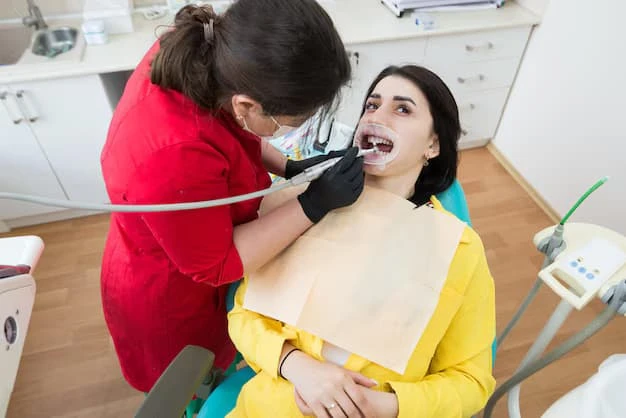

Gum disease is a common oral health condition that can progress quietly and cause serious damage if left untreated. In its early stages, gum disease may present as mild inflammation or bleeding during brushing. As it advances, it can lead to gum recession, bone loss, and eventual tooth loss. Root planing treatment is one of the most effective non surgical approaches for managing and reversing gum disease when detected in time. This deep cleaning procedure targets the underlying causes of gum inflammation and supports long term periodontal health.
This article explains what root planing treatment is, how it works, who benefits from it, and why it plays a crucial role in reversing gum disease.
Understanding Gum Disease and Its Progression
Gum disease develops due to the accumulation of plaque and bacteria around the teeth and below the gum line. Without proper care, this buildup leads to inflammation and infection.
Early Stage Gum Disease
The earliest form of gum disease is characterized by red, swollen gums that may bleed easily. At this stage, the condition is reversible with improved oral hygiene and professional care.
Advanced Gum Disease
As gum disease progresses, bacteria penetrate deeper beneath the gums, forming pockets that trap debris. This can lead to bone loss and loosening of teeth, making advanced treatment necessary.
What Is Root Planing Treatment
Root planing treatment is a specialized deep cleaning procedure designed to remove plaque, tartar, and bacteria from below the gum line. It focuses on cleaning the roots of the teeth to promote healing and reattachment of gum tissue.
Difference Between Regular Cleaning and Root Planing
Routine dental cleanings address plaque and tartar on the surface of the teeth. Root planing treatment goes deeper, targeting areas beneath the gums where harmful bacteria thrive.
Goals of Root Planing Treatment
The primary goals are to reduce inflammation, eliminate bacterial buildup, and create a clean surface that allows gums to heal and reattach to the teeth.
How Root Planing Treatment Works
Root planing treatment is typically performed in stages, focusing on specific areas of the mouth.
Initial Evaluation and Diagnosis
A thorough examination helps assess the severity of gum disease. Measurements of gum pockets and dental imaging guide the treatment plan.
Scaling and Root Planing Process
Scaling removes plaque and tartar from the tooth surfaces and below the gum line. Root planing smooths the root surfaces to prevent bacteria from reattaching and to support gum healing.
Use of Local Anesthesia
Local anesthesia is often used to ensure comfort during the procedure. This allows for thorough cleaning without discomfort.
How Root Planing Treatment Reverses Gum Disease
Root planing treatment addresses the root causes of gum disease and supports the body’s natural healing process.
Reduction of Bacterial Infection
By removing bacteria and toxins from beneath the gums, root planing treatment reduces infection and inflammation.
Shrinking of Gum Pockets
As gums heal, pocket depths decrease, making it easier to maintain oral hygiene and prevent future bacterial buildup.
Promotion of Gum Reattachment
Clean and smooth root surfaces encourage gums to reattach to the teeth, restoring a healthier gum line.
Who Can Benefit from Root Planing Treatment
Root planing treatment is recommended for individuals with signs of periodontal disease.
Patients with Moderate Gum Disease
Those experiencing gum inflammation, bleeding, and pocket formation often benefit significantly from root planing treatment.
Individuals with Persistent Gum Issues
When routine cleanings do not resolve gum problems, root planing treatment provides a deeper and more effective solution.
Root Planing Treatment and Long Term Oral Health
The benefits of root planing treatment extend beyond immediate improvement.
Preventing Disease Progression
By addressing infection early, root planing treatment helps prevent gum disease from advancing to more severe stages.
Preserving Natural Teeth
Healthy gums and bone are essential for tooth stability. Root planing treatment helps preserve natural teeth and avoid tooth loss.
Recovery and Aftercare Following Root Planing Treatment
Proper aftercare is essential for optimal healing.
Post Treatment Sensitivity
Some individuals experience mild sensitivity following treatment. This typically subsides as the gums heal.
Oral Hygiene Practices After Treatment
Maintaining good oral hygiene is crucial. Gentle brushing, flossing, and recommended oral care products support healing and prevent recurrence.
Role of Follow Up Visits
Ongoing monitoring ensures the success of root planing treatment.
Periodontal Maintenance Appointments
Regular maintenance visits help keep gums healthy and prevent bacteria from returning to treated areas.
Monitoring Gum Health
Follow up evaluations allow professionals to assess healing and address any remaining concerns promptly.
Root Planing Treatment vs Surgical Options
Root planing treatment is often preferred as an initial approach to managing gum disease.
Non Surgical and Conservative Approach
Root planing treatment does not involve incisions or sutures, making it a less invasive option with shorter recovery time.
When Surgery May Be Needed
In advanced cases where deep pockets persist, surgical intervention may be recommended. Root planing treatment often reduces the need for such procedures.
Importance of Early Intervention
Early treatment is key to reversing gum disease.
Recognizing Warning Signs
Bleeding gums, persistent bad breath, and gum tenderness should not be ignored. Early evaluation leads to more effective treatment.
Benefits of Prompt Care
Addressing gum disease early with root planing treatment improves outcomes and reduces the risk of complications.
Root Planing Treatment and Overall Health
Gum health is closely linked to overall well being.
Connection Between Gum Disease and Systemic Health
Research suggests that gum disease may be associated with conditions such as heart disease and diabetes. Managing gum inflammation supports overall health.
Improving Quality of Life
Healthier gums reduce discomfort, improve confidence, and enhance overall oral function.
Supporting Gum Health After Root Planing Treatment
Long term success depends on consistent care.
Lifestyle and Dietary Considerations
A balanced diet and stress management support immune function and gum health.
Avoiding Harmful Habits
Avoiding tobacco use and maintaining good oral hygiene help prevent the return of gum disease.
Advancements in Root Planing Treatment
Modern techniques have improved the effectiveness and comfort of periodontal care.
Precision Instruments and Technology
Advanced tools allow for more thorough and gentle cleaning, improving patient comfort and outcomes.
Personalized Treatment Plans
Treatment is tailored to individual needs, ensuring the best possible results.
Root Planing Treatment as a Preventive Measure
In addition to treatment, root planing plays a preventive role.
Reducing Future Risks
By eliminating harmful bacteria, root planing treatment lowers the risk of future gum infections.
Encouraging Long Term Maintenance
Patients become more aware of their gum health and the importance of regular care.
Conclusion
Root planing treatment is a highly effective non surgical approach for reversing gum disease and restoring periodontal health. By removing bacteria, reducing inflammation, and supporting gum healing, this treatment helps preserve natural teeth and prevent further complications. With proper aftercare and ongoing maintenance, individuals can enjoy healthier gums and improved oral well being.
For those seeking professional periodontal care and long term gum health solutions, Clove Dental Beverly Hills is committed to providing comprehensive root planing treatment and supportive dental services focused on restoring healthy smiles and confidence.





Sign in to leave a comment.