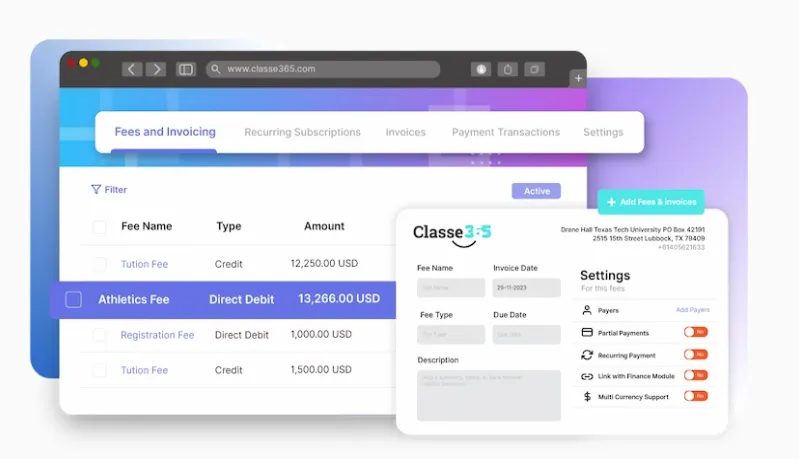

In 2026, educational institutions are under increasing pressure to operate efficiently while delivering seamless experiences to students and parents. One of the most critical yet often overlooked areas is fee collection. Traditional methods—manual tracking, spreadsheets, and offline payments—are no longer sustainable in a fast-moving digital environment.
Schools are now turning toward automation to simplify financial operations, reduce errors, and improve transparency. A modern student fee management system plays a vital role in this transformation, enabling institutions to manage payments, track dues, and streamline processes with minimal manual effort. As digital adoption accelerates, automating fee collection is no longer optional—it’s essential for scalability and long-term success.
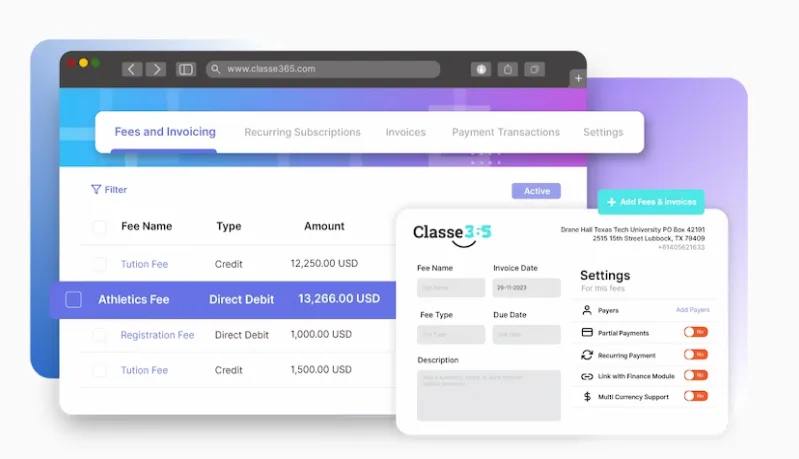
Key Takeaways
- Discover how automation eliminates inefficiencies in school fee collection
- Learn the key challenges schools face with manual processes
- Understand the benefits of adopting a digital fee management approach
- Explore essential features to look for in a modern solution
- Get actionable tips to implement and optimize automation successfully
The Challenges of Traditional Fee Collection
Many schools still rely on outdated systems that create unnecessary complexity. Manual fee collection often leads to delays, errors, and administrative overload.
Common challenges include:
- Time-consuming processes: Staff spend hours tracking payments and updating records
- Human errors: Manual entries increase the risk of inaccuracies
- Lack of transparency: Parents and administrators struggle to track payment status
- Delayed payments: No automated reminders lead to missed deadlines
- Limited reporting: Insights into revenue and outstanding dues are often unclear
These inefficiencies not only affect operations but also impact the overall experience for parents and students.
Why Automation is the Future of Fee Management
Automation transforms fee collection from a reactive process into a proactive system. Instead of chasing payments, schools can create structured workflows that handle everything from invoicing to reconciliation.
A robust student fee management system enables schools to:
- Automate fee scheduling and invoicing
- Send real-time payment reminders
- Accept multiple digital payment methods
- Generate instant receipts
- Track payments and outstanding dues in real time
This shift allows institutions to focus more on education and less on administrative burdens.
Key Benefits of Automating Fee Collection
1. Improved Efficiency
Automation eliminates repetitive tasks, allowing administrative staff to save time and focus on strategic activities. Processes that once took hours can now be completed in minutes.
2. Faster Payments
With automated reminders and easy payment options, parents are more likely to pay on time. This improves cash flow and reduces follow-ups.
3. Enhanced Transparency
Both parents and administrators can access real-time payment data. This builds trust and reduces confusion around fee structures and dues.
4. Reduced Errors
Automation minimizes manual intervention, significantly lowering the chances of mistakes in calculations or record-keeping.
5. Better Financial Insights
Schools gain access to detailed reports and analytics, helping them make informed financial decisions and plan budgets effectively.
Essential Features to Look for in a Fee Automation System
When selecting a solution, it’s important to focus on features that align with your institution’s needs.
✔️ Flexible Fee Structures
Support for different fee categories, installments, discounts, and scholarships
✔️ Automated Notifications
Email, SMS, or app-based reminders for upcoming and overdue payments
✔️ Multiple Payment Options
Integration with online payment gateways, UPI, cards, and net banking
✔️ Real-Time Dashboard
Instant visibility into collections, pending dues, and financial summaries
✔️ Secure Data Management
Strong data protection measures to ensure compliance and security
✔️ Integration Capabilities
Ability to connect with other systems like CRM, LMS, or ERP platforms
A well-designed student fee management system should not just solve current challenges but also scale with your institution’s growth.
Best Practices for Implementing Fee Automation
Adopting automation is not just about technology—it’s about strategy. Here’s how schools can implement it effectively:
1. Assess Your Current Process
Identify bottlenecks and inefficiencies in your existing system. This helps you choose the right solution and avoid unnecessary features.
2. Choose a Scalable Solution
Select a platform that can grow with your institution. Consider future needs like increased student enrollment or multi-campus management.
3. Train Your Staff
Ensure that administrative teams are comfortable using the system. Proper training leads to better adoption and fewer errors.
4. Communicate with Parents
Inform parents about the new system, its benefits, and how to use it. Clear communication improves adoption rates.
5. Automate Gradually
Start with core functionalities like invoicing and reminders, then expand to advanced features like analytics and integrations.
How Automation Enhances the Parent Experience
Parents today expect convenience and transparency. Automated fee systems meet these expectations by offering:
- Easy online payments anytime, anywhere
- Instant payment confirmations
- Clear breakdown of fee structures
- Timely reminders to avoid penalties
This not only improves satisfaction but also strengthens the institution’s reputation.
The Role of Data in Smarter Fee Management
Automation provides access to valuable data that schools can use to optimize operations.
With the right insights, institutions can:
- Identify late payment trends
- Forecast revenue more accurately
- Adjust fee structures based on data
- Improve financial planning
This data-driven approach gives schools a competitive edge in managing their finances efficiently.
Take the Next Step Toward Smarter Fee Management
Streamlining fee collection is no longer just about convenience—it’s about creating a seamless, efficient, and scalable system that benefits both institutions and families. Automation empowers schools to reduce administrative burdens, improve cash flow, and deliver a better overall experience.
By adopting a reliable student fee management system, schools can stay ahead in an increasingly digital education landscape. Platforms like Classe365 are leading this transformation by offering integrated, user-friendly solutions designed specifically for modern educational institutions. If you're looking to simplify operations and enhance financial efficiency, now is the time to embrace automation with confidence.
FAQs
1. What is a student fee management system?
A student fee management system is a digital solution that automates fee collection, payment tracking, invoicing, and reporting for educational institutions.
2. How does automation improve fee collection?
Automation reduces manual work, sends timely reminders, enables online payments, and provides real-time tracking—leading to faster and more accurate collections.
3. Is it difficult to implement a fee management system in schools?
Most modern systems are user-friendly and easy to implement. With proper onboarding and training, schools can transition smoothly.
4. Can parents pay fees online using these systems?
Yes, most systems support multiple online payment methods, making it convenient for parents to pay fees anytime.
5. How secure are automated fee management systems?
Reputable platforms use advanced security protocols to protect sensitive financial and student data.
6. Can fee management systems integrate with other school software?
Yes, many solutions integrate with LMS, CRM, and ERP systems to provide a unified platform for school management.






















Sign in to leave a comment.