

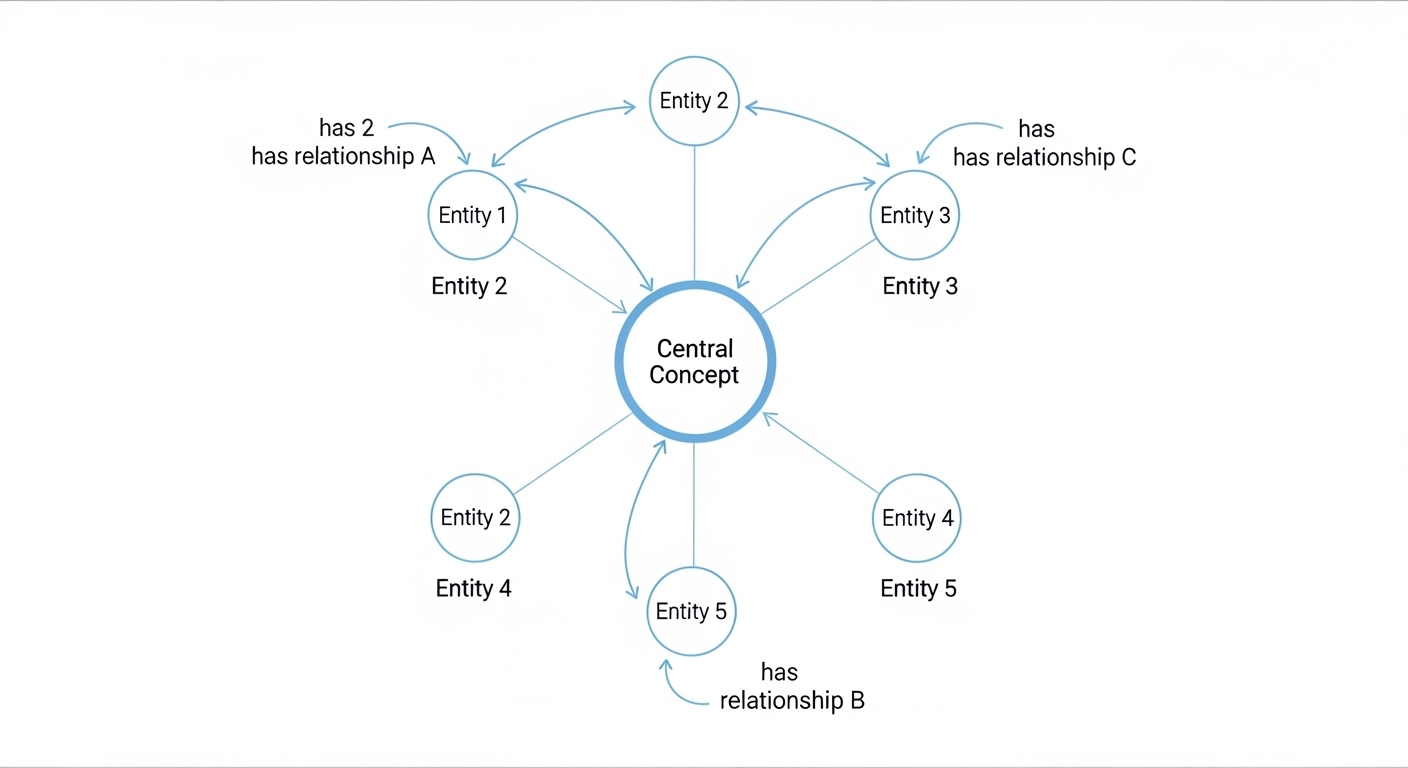
Search engines no longer rely on exact keywords to rank pages. They rely on entities. An entity is a person, place, business, product, or concept that search engines can clearly identify and connect to other known information. Instead of matching phrases, modern algorithms map relationships between entities to understand intent.
This shift explains why pages rank even when they do not repeat the exact search phrase. Search engines analyze context, connections, and credibility using modern SEO techniques. This article explains how entity-based search works and how businesses can adjust their SEO strategy with modern SEO techniques. The guidance reflects practical field experience from professionals who work daily with service providers competing in local search results.
Why Search Engines Moved Beyond Keywords
Keyword matching once dominated search engine optimization. Pages ranked by repeating exact phrases in titles, headings, and body text. That model created low-quality results filled with repetition.
Search engines adapted. Google introduced major updates like Hummingbird and later advanced AI systems to interpret meaning rather than strings of words. Today, over 15 percent of daily searches are new queries that have never been typed before. Keywords alone cannot handle that scale. Entity recognition solves this problem.
How Entities Improve Search Accuracy
Entities help search engines:
- Understand relationships between topics
- Identify real businesses and professionals
- Connect synonyms and related phrases
- Deliver more precise local results
For example, a search for “AC repair near me” does not rely only on those words. The engine recognizes “AC repair” as a service entity, ties it to HVAC systems, and then connects that to nearby service providers with verified business data.
This is why semantic relevance matters more than repetition.

What Exactly Is an Entity
An entity is something uniquely identifiable. It has clear attributes and connections.
Examples include:
- A local plumbing service
- A licensed HVAC specialist
- A city like Phoenix or Miami
- A product brand
- A recognized expert
Search engines store entities in knowledge graphs. These databases organize information by linking entities together.
Entities Versus Keywords Comparison
The difference is easier to understand in a direct comparison.
| Feature | Keyword-Based SEO | Entity-Based SEO |
|---|---|---|
| Focus | Exact phrase matching | Meaning and relationships |
| Strategy | Repeat target keywords | Build contextual authority |
| Content Depth | Often thin or repetitive | Comprehensive and connected |
| Local SEO Impact | Limited without context | Strong when tied to real business data |
| Search Intent | Partially understood | Fully interpreted through connections |
Businesses that focus only on keywords often miss broader ranking opportunities.
How Search Engines Recognize Entities
Search engines identify entities using structured data, contextual signals, and external references.
Structured Data Markup
Schema markup helps search engines classify a business as a specific entity type. It can define:
- Business name
- Service type
- Service area
- Reviews
- Contact details
When structured data matches consistent information across directories, search engines build trust in that entity.
Bonus Tips
Use consistent NAP data
Name, address, and phone number must match across all platforms.
Add service schema
Service-specific schema helps connect a business to the exact work they provide.
Knowledge Graph Connections
Search engines connect entities through their knowledge graphs. If a plumbing service frequently publishes content about water heaters, drain cleaning, and leak detection, those topics reinforce the entity’s relevance.
This builds topical authority.
Behavioral Signals
User behavior also reinforces entity recognition. If users searching for “furnace repair in Denver” consistently click and stay on a particular website, the algorithm connects that business entity to furnace repair in that region.
This matters more in competitive climates.
For example, in cold states like Minnesota or Colorado, furnace-related searches spike seasonally. In warmer regions such as Texas or Florida, AC repair dominates. Search engines adjust entity associations based on geographic demand patterns.
Why Entities Matter for Local Service Providers
Local service providers depend on visibility within specific geographic markets. Entity optimization helps search engines confirm that a business is legitimate and relevant.
Nearly 46 percent of all Google searches have local intent. For service providers, appearing in the local pack depends heavily on entity trust signals.
Core Entity Signals for Local SEO
Verified Business Listings
Google Business Profile validation strengthens entity legitimacy.
Local Citations
Consistent listings across directories reinforce identity.
Reviews
Authentic reviews connect customer experience with the business entity.
Location Pages
Well-structured service area pages strengthen geographic connections.
Building Strong Entity Authority
Businesses should focus on clarity, consistency, and context.
Publish Context Rich Content
Content should fully address a topic rather than repeat a phrase.
For example, instead of targeting only “spray foam insulation,” a stronger approach includes:
- Types of spray foam
- Energy efficiency benefits
- Regional climate considerations
- Cost factors
- Installation process
This builds topical depth.
Connect Related Topics
Search engines evaluate how well topics connect.
An HVAC service might link content about:
- Furnace repair
- Heat pump installation
- Indoor air quality
- Seasonal maintenance
This signals comprehensive expertise.
Earn External Mentions
Mentions from reputable industry directories, chambers of commerce, and trade associations validate entity credibility.
When those mentions include consistent business details, trust increases.
Things to Consider Before Making a Decision
Before shifting fully to an entity-focused SEO strategy, businesses should assess several factors.
Current Website Structure
If content is thin and isolated, entity strength may be weak. A content audit helps identify gaps.
Technical SEO Health
Structured data errors can prevent search engines from recognizing entity attributes properly.
Competitive Market Conditions
In dense metro areas like Los Angeles or Chicago, entity competition is stronger. In smaller rural markets, authority can build faster with consistent optimization.
Long Term Investment
Entity authority develops over time. It requires steady publishing, review management, and citation consistency.
Businesses looking for short term ranking spikes may not see immediate results.
How Professional SEO Teams Approach Entity Optimization
Experienced local SEO specialists focus on systems rather than isolated tactics.
They:
- Align structured data with service pages
- Map content clusters around service entities
- Monitor citation consistency
- Track engagement metrics
- Refine local signals by region
Clear Entity Signals Lead to Stronger Rankings
Search engines now interpret meaning through entities, not isolated keywords. Businesses that build structured, connected, and credible online identities perform better in both local and organic results.
Clear service descriptions, consistent citations, structured data, and region-specific content all strengthen entity recognition. Businesses should evaluate their market, technical foundation, and long-term growth goals before adjusting strategy.
A focused, consistent approach builds durable visibility.
Get Practical Guidance for Entity Focused SEO
Service providers that want clearer visibility in competitive markets can benefit from structured entity optimization. Genius Marketing works with home service providers to strengthen their local search presence through practical SEO systems.
For more information, businesses can contact Genius Marketing at [email protected] or call (360) 519-5100 to discuss their current search visibility and long-term growth strategy.
Questions About Entity Based Search
How do entities affect voice search results?
Voice searches rely heavily on entities because users ask full questions. Search engines match those questions to recognized businesses and topics rather than exact phrases.
Can a business rank without repeating keywords?
Yes. If content clearly defines services, locations, and related topics, search engines understand relevance even without exact repetition.
Does schema markup guarantee higher rankings?
No. Schema improves clarity but does not guarantee rankings. It strengthens entity recognition when combined with strong content and local signals.
How long does entity SEO take to show results?
Results vary by competition level and consistency. In moderate markets, noticeable gains often appear within three to six months.
Are backlinks still important in entity SEO?
Yes. Quality backlinks validate authority. They help confirm that the entity is recognized outside its own website.
Author: Spencer Hart, founder of Genius Marketing, has more than 25 years of experience in marketing and local SEO for service businesses. He helps spray foam, HVAC, plumbing, and other local businesses bring in more leads and grow their revenue. Spencer is a serial entrepreneur and father of twins who leads a team focused on practical SEO and steady digital growth.
Reviewer: Jordan Lee is a marketing and local SEO specialist with more than 6 years of hands-on experience helping small and mid-size service businesses improve their online reach and steady lead flow.































Sign in to leave a comment.