

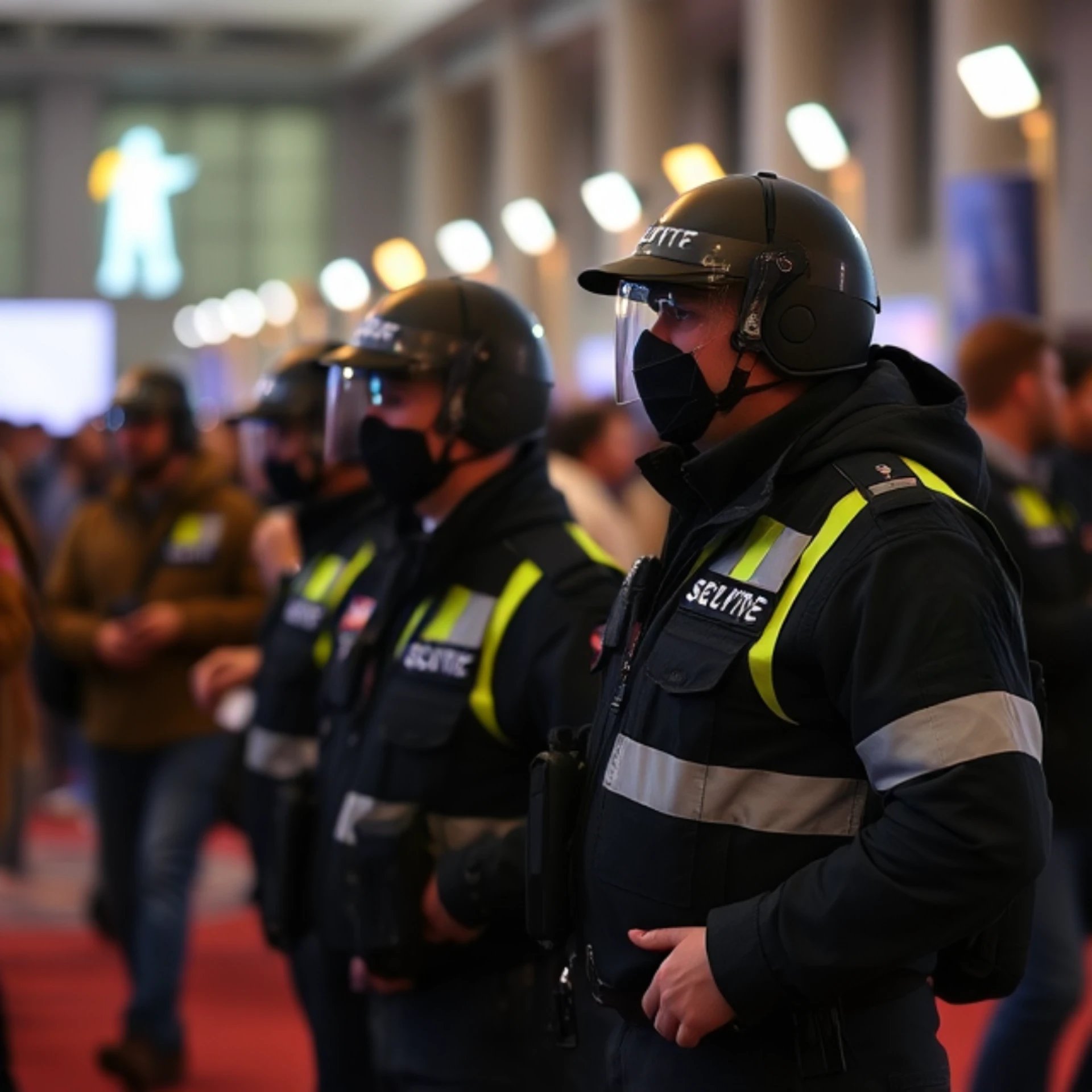
Imagine thousands packed into a venue, enjoying a performance, when an emergency strikes. Be it a fire, structural issue, or security threat, the next few minutes are critical. The difference between chaos and order depends on how well security executes emergency protocols. Controlling crowds in such moments requires training, clear communication, and quick decisions. Entertainment security prepares for these situations, knowing lives depend on effective procedures. The challenge is moving people safely and quickly, without triggering panic or injuries. This complex task involves coordination, understanding crowd behavior, and following tested protocols.

Pre-Event Preparation and Planning
Successful emergency evacuations begin long before the first attendee arrives. Security teams conduct thorough site assessments, identifying all exit points, potential bottlenecks, and evacuation routes. They create detailed emergency action plans that account for a range of scenarios, from medical emergencies to weather events and security threats. Entertainment security services coordinate with local emergency responders to ensure everyone understands their roles during a crisis.
Teams also conduct walk-throughs and simulations, timing how long full evacuations would take under different conditions. They identify vulnerable areas where crowds might compress dangerously and plan strategies to prevent chokepoints. These preparations include strategically positioning staff throughout the venue to ensure adequate coverage across all sections.
Communication Systems and Coordination
Effective evacuation relies heavily on a robust communication infrastructure. Security personnel use radio systems, mobile devices, and, in some cases, dedicated emergency communication platforms. The incident command structure ensures clear chains of command, with designated leaders making critical decisions while ground-level security executes directives.
Modern entertainment security services often employ:
- Multi-channel radio networks with dedicated emergency frequencies
- Real-time crowd monitoring through CCTV systems
- Direct lines to local fire departments and police
- Public address systems for attendee communication
- Mobile command centers for major events
Coordination covers more than security teams; venue staff, performers, and medical personnel all get emergency briefings. This unified approach helps avoid conflicting instructions in a crisis.
Crowd Psychology and Panic Prevention
Understanding crowd behavior is vital for security. Panic can spread quickly in dense crowds, making quick recognition and intervention crucial. Trained guards use calm, authoritative communication to maintain order and manage anxiety.
Security teams avoid shouting or showing stress. They project control and give clear, simple directions. When possible, they explain the situation honestly, building trust without causing alarm.
Strategic Crowd Movement Techniques
Moving crowds safely means more than opening doors. Security controls the evacuation flow to prevent crushes. They create orderly lines, use barriers, and prioritize at-risk sections while stopping surges.
Guards use trained crowd control formations: some open exits and guide people, while specialized teams assist those with mobility challenges. These coordinated efforts turn potential chaos into directed movement.
Handling Special Situations and Vulnerable Populations
Crowds include people who need assistance—the elderly, children, people with disabilities, or those with medical needs. Security identifies and prioritizes these groups. Designated staff train to assist with mobility, panic attacks, or disabilities.
Security manages other issues—securing abandoned items, providing first aid, and communicating with separated families. These simultaneous tasks require training and steady execution.
Technology and Modern Evacuation Tools
Modern venues use technology to enhance evacuation. Crowd analytics monitors density and alerts security when compression occurs. Digital maps track real-time evacuation. Some venues use apps to send instructions to attendees, reducing confusion beyond public address systems.
Post-Evacuation Procedures
Evacuation continues after exiting the building. Security sets assembly points, accounts for attendees, provides medical attention, coordinates follow-up, secures the area, and documents the incident immediately.
Emergency evacuations at packed concerts are among the most challenging scenarios in venue security management.
The key takeaways:
planning, training, communication, and composure under pressure are required for success. Security services invest heavily in these areas to protect thousands of lives at once. Although emergencies are rare, extensive preparation brings peace of mind. When attending large concerts, remember that security personnel are your safety net. If organizing events, partnering with experienced professionals is essential for everyone's safety.
Continue Reading Here About Entertainment Security Services!

Sign in to leave a comment.