
Here’s a surprising fact: over 21 million homes in the United States use septic systems. That’s a lot of backyards quietly handling wastewater every single day. The problem is, most homeowners don’t think about their septic system until something smells bad or drains stop working.
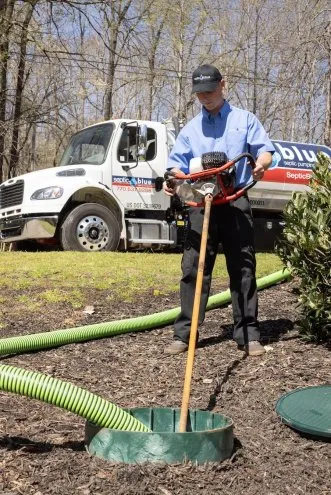
I’ve seen this happen more times than I can count. A system gets installed quickly, corners get cut, and five years later the homeowner is dealing with muddy drain fields or sewage backing up. Regular and reliable septic pumping in Burlington can help prevent many of these problems, but the real foundation of a strong septic system still starts with proper installation.
This guide walks you through how septic tank installation actually works, step by step, plus what usually goes right, what often goes wrong, and what I personally think homeowners should watch out for.
Why Septic Installation Is a Bigger Deal Than People Think
I’ll be honest—this is where a lot of problems start.
Some contractors rush the job. Others ignore soil conditions. And sometimes homeowners try to save money by choosing the cheapest option.
That usually backfires.
Common problems from poor installation include:
- wastewater backing up into the house
- soggy or smelly yards
- contaminated groundwater
- expensive repairs
The Environmental Protection Agency (EPA) warns that failing septic systems can pollute drinking water and nearby streams.
From what I’ve seen, most failures aren’t because septic systems are bad. They fail because someone installed them poorly in the first place.
Step-by-Step: How Septic Tank Installation Actually Works
Let’s break the process down in simple terms-
Step 1: Soil Testing (The Step People Want to Skip)
Before installing anything, professionals test the soil.
This is called a perc test, short for percolation test. It measures how fast water moves through the soil.
Why does this matter?
Because the drain field depends on soil to filter wastewater properly.
Here’s what usually happens with different soil types:
- Sandy soil: Water drains very quickly.
- Clay soil: Water drains very slowly.
- Loamy soil: Usually the best balance for septic systems.
Clay-heavy soil—common in parts of North Carolina—can be tricky. Since water drains slowly, the septic system needs to be designed carefully.
Step 2: Designing the Septic System
Once the soil is approved, the system gets designed.
Several factors matter:
- number of bedrooms
- expected water usage
- soil conditions
- property size
A typical septic tank sizing guide looks like this:
- 2-bedroom home: usually needs a 750–1000 gallon tank
- 3-bedroom home: typically uses around a 1000 gallon tank
- 4 or more bedrooms: often require 1200–1500 gallon tanks
Personally, I think choosing a slightly bigger tank is a smarter move. Smaller tanks tend to fill up faster, which means more frequent pumping and maintenance.
Step 3: Excavation (Digging the Tank Area)
Once permits are approved, the real work begins.
Excavation crews dig:
- the tank hole
- trenches for drain pipes
- the drain field area
This part looks simple, but it’s important.
The tank base must be perfectly level. Even small shifts can cause problems with how waste separates inside the tank.
Think of it like installing a washing machine on an uneven floor. Things just don’t work right.
Step 4: Placing the Septic Tank
Now the tank goes into the ground.
Most septic systems use one of three materials:
- Concrete tanks: These are very durable and long-lasting, but they are heavy and require more effort to install.
- Plastic tanks: These are lightweight and easier to place during installation, but they can sometimes shift if the surrounding soil is loose.
- Fiberglass tanks: These are strong and resistant to rust or corrosion, though they are usually more expensive than other options.
Concrete tanks are still the most common choice. In my opinion, they’re usually the safest long-term option because their weight helps keep them stable underground.
Step 5: Connecting the Pipes
Next, the plumbing lines get connected.
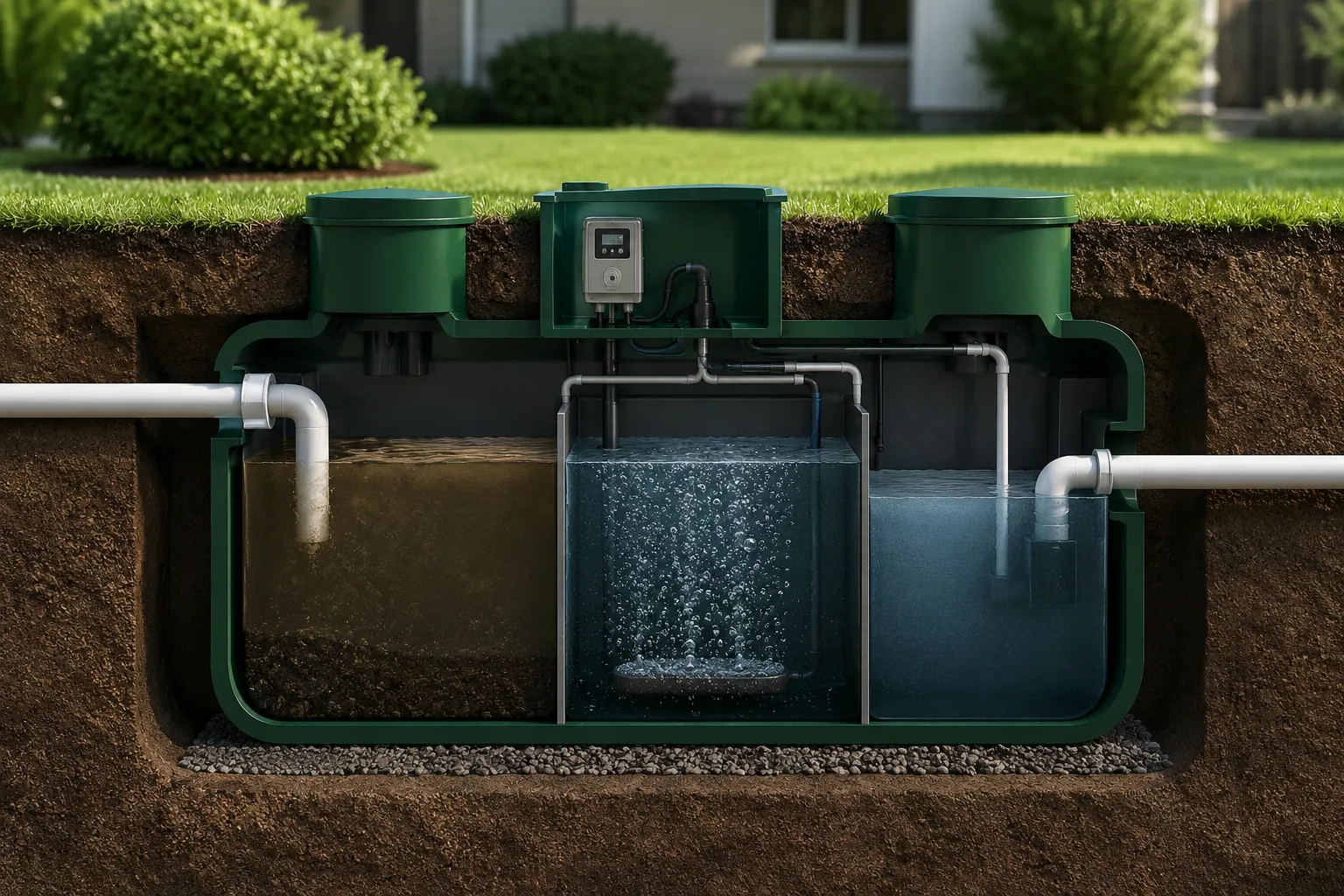
Two main pipes matter:
Inlet pipe
Carries wastewater from the house into the tank.
Outlet pipe
Moves treated water from the tank to the drain field.
Modern systems often include filters to prevent solids from escaping the tank.
Skipping filters is another shortcut some installers take. It saves time but can damage the drain field later.
Step 6: Installing the Drain Field
The drain field is where the final treatment of wastewater happens.
It’s usually made of:
- gravel trenches
- perforated pipes
- layers of soil
Water slowly spreads through the soil and gets filtered naturally. In simple terms, the drain field works like a large underground sponge. Resources from the National Environmental Services Center explain that soil plays a major role in removing harmful bacteria and contaminants before the water reaches groundwater.
Typical drain field sizes generally look like this:
- Small homes: about 500–800 square feet
- Average homes: around 800–1200 square feet
- Large homes: roughly 1200–1500+ square feet
If the drain field is too small for the house, it can get overwhelmed quickly and cause problems later.
Step 7: Inspection Before Covering the System
Before everything gets buried, inspectors check the installation.
They verify:
- pipe slopes
- tank placement
- drain field layout
- code compliance
If everything looks good, the system is covered with soil.
After that, the septic system starts working immediately.
How Long Does Septic Installation Take?
The timeline mostly depends on soil testing and permit approvals.
In most cases, soil testing takes 1–3 days, permit approval can take 1–4 weeks, and the actual installation usually takes 2–5 days.
So overall, the whole process may take a few weeks, but the physical installation itself is usually completed within just a few days.
Septic Installation Mistakes I See All the Time
After working around this industry for years, I’ve seen several common septic installation mistakes show up again and again.
1. Installing tanks too close to wells
This risks drinking water contamination.
2. Ignoring soil problems
Bad soil equals a failing drain field.
3. Using tanks that are too small
Small tanks fill quickly and require frequent pumping.
4. Driving vehicles over the drain field
This compresses soil and damages pipes.
5. Hiring the cheapest installer
This is the big one.
In my experience, cheap septic installations rarely stay cheap.
My Personal Take: What Actually Works Best
If I had to give one piece of advice, it would be this:
Focus on the drain field.
Most homeowners worry about the tank. But the drain field is the real hero of the system.
A well-designed drain field can last decades.
A poorly designed one can fail in five years.
Spending a little more upfront for good soil testing and proper design almost always pays off.
Key Takeaways
- Over 21 million U.S. homes use septic systems.
- Installation includes soil testing, system design, excavation, tank placement, and drain field construction.
- Poor installation causes most septic failures.
- Tanks typically last 20–40 years with proper care.
- Pumping and inspections keep the system running smoothly.
Conclusion
Septic systems aren’t complicated once you understand how they work. But installing them properly requires planning, experience, and attention to detail.
Most problems I’ve seen over the years trace back to the same issue: rushing the installation or trying to save money in the wrong places.
When the system is designed correctly and maintained regularly, it quietly does its job for decades.
And honestly, that’s exactly what you want from a septic system — something you almost never have to think about.
FAQs
1. How long does it take to install a septic tank?
Septic tank installation usually takes 2 to 5 days once permits are approved. The full process may take a few weeks because of soil testing and paperwork.
2. How much does septic tank installation cost in the U.S.?
A standard septic system typically costs $4,000 to $8,000. More complex systems can cost $10,000 or more depending on soil and property size.
3. How deep is a septic tank installed?
Most septic tanks are buried 6 inches to 4 feet underground, depending on local codes and property conditions.
4. What size septic tank does a home need?
Most homes use a 1000–1500 gallon tank, but the exact size depends on the number of bedrooms and water usage.
5. Can homeowners install their own septic system?
In most areas, septic systems must be installed by licensed professionals and approved by local authorities.
6. How long does a septic system last?
A properly installed septic system can last 20 to 40 years with regular maintenance.
7. How often should a septic tank be pumped?
Most septic tanks should be pumped every 3–5 years, depending on usage.
8. What are signs of septic system problems?
Common signs include slow drains, bad smells, wet spots in the yard, and gurgling pipes.




























Sign in to leave a comment.