

An outdoor storage shed may look sturdy when first installed, but its long-term performance depends on more than its appearance. Weak framing, poor drainage, low-quality materials, and inadequate weather protection can lead to premature deterioration, costly repairs, and damage to stored belongings. Homeowners need to understand how construction quality influences a shed's lifespan before making a purchase. This guide explains the essential structural components, material choices, moisture-control features, and maintenance practices that help improve shed durability.
Why Does Structural Framing Matter for Shed Durability?
Structural framing determines how well a shed supports its roof, walls, stored equipment, and other loads. Strong framing, properly spaced supports, secure connections, and appropriate fasteners help maintain stability and reduce the risk of structural movement over time.
The quality of the frame also affects how well the shed withstands everyday use and environmental exposure. Homeowners should review the manufacturer's construction specifications, including framing materials, connection methods, and load limitations, rather than judging strength by exterior appearance alone.
A well-designed frame provides a dependable foundation for the entire structure. It also supports doors, windows, roofing, and wall panels, helping these components remain properly aligned.
Which Materials Provide Better Protection Against Outdoor Conditions?
Material selection influences a shed's resistance to moisture, corrosion, impact, and general wear. Wood offers a natural appearance and can be customized, metal provides a durable option when suitable corrosion protection is used, and resin or other manufactured materials may offer lower routine maintenance requirements.
Each material has different strengths and limitations. Wood may require protective coatings and periodic inspections, while metal sheds need appropriate finishes to help prevent rust. Manufactured materials should be evaluated for structural strength, ultraviolet resistance, and suitability for the intended application.
When comparing backyard storage buildings Washington homeowners may consider, local weather exposure should be part of the selection process. Material quality, construction details, and maintenance requirements matter more than choosing a material based on appearance alone.
How Do Roofing and Drainage Prevent Premature Damage?
Roofing and drainage systems help protect a shed by directing rainwater away from its walls, foundation, and stored belongings. Proper roof installation, secure flashing where needed, suitable overhangs, and effective site drainage reduce the likelihood of water entering vulnerable areas.
In Washington, frequent rainfall makes moisture management particularly important. Water that collects around the base can contribute to deterioration, while leaks may damage stored tools, furniture, and equipment. Homeowners should check roofing materials, seams, fasteners, and drainage arrangements before purchasing a shed.
A suitable foundation should support the structure on stable, level ground while helping manage water around the building. The foundation type should match the shed design, ground conditions, and manufacturer recommendations.
What Role Does Ventilation Play in Shed Construction?
Ventilation allows air to circulate through a shed, helping reduce moisture buildup and condensation. Without adequate airflow, damp conditions can affect stored belongings and contribute to mold growth or deterioration in susceptible materials.
Vent placement should suit the shed's design and intended use. Roof vents, wall vents, or other manufacturer-approved ventilation features may help improve airflow, depending on the structure.
Homeowners should also avoid storing wet equipment in enclosed spaces without allowing it to dry. Even a well-constructed shed benefits from sensible storage practices and periodic checks for condensation, musty odors, or visible moisture.
Which Construction Features Should Buyers Inspect Before Purchasing?
A careful inspection helps buyers identify construction details that influence reliability, maintenance, and long-term value. Before selecting a shed, homeowners should review the following features:
- Wall construction: Check panel quality, secure attachment, and weather-resistant detailing.
- Roof assembly: Review the roofing material, fastening method, and protection around vulnerable joints.
- Floor system: Confirm that the floor can support the intended equipment and storage loads.
- Doors and hardware: Look for sturdy hinges, secure latches, and adequate clearance.
- Protective finishes: Determine whether exposed materials need sealing, painting, or corrosion protection.
- Warranty coverage: Review what the manufacturer covers, including materials, workmanship, and structural components.
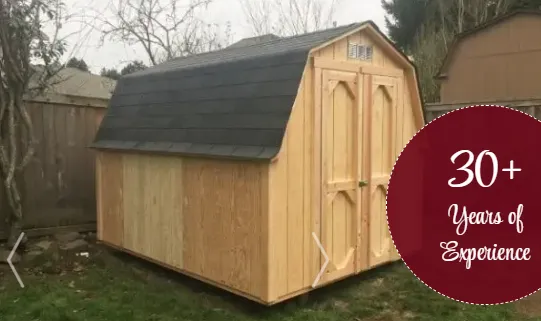
Those evaluating a Timberline Backyard Storage Shed should verify the specific model's documented construction features, available dimensions, material specifications, and warranty terms. Product names alone do not establish durability; the actual specifications and installation requirements should guide the decision.
How Does Professional Installation Affect Structural Performance?
Correct installation helps a shed perform as intended by ensuring that its foundation, frame, roof, and other components are assembled according to the manufacturer's specifications. An uneven base, incorrectly installed fasteners, or poorly aligned panels can affect stability and allow water to enter vulnerable areas.
Before installation, homeowners should assess soil conditions, ground slope, drainage, delivery access, and available space. They should also check applicable zoning rules, setbacks, and permit requirements with the relevant local jurisdiction.
Professional installation may be useful for larger or more complex structures, particularly when foundation preparation or specialized assembly is required. Regardless of who installs the shed, following the manufacturer's instructions is essential.
What Maintenance Practices Help Extend a Shed's Service Life?
Regular maintenance helps identify minor issues before they develop into expensive repairs. Homeowners should inspect the roof, exterior walls, foundation, doors, and fasteners periodically, especially after severe weather.
Cleaning debris from around the structure helps maintain drainage, while promptly repairing damaged finishes can protect exposed materials. Wooden sheds may require periodic resealing or repainting, and metal structures should be checked for scratches or corrosion. Ventilation openings should also remain clear.
Maintenance schedules depend on the material, product specifications, and environmental exposure. Following the manufacturer's guidance helps preserve performance without applying unnecessary treatments.
Frequently Asked Questions
1. What is the most important factor in shed durability?
Construction quality is a major factor because framing, connections, roofing, flooring, and installation work together to support the structure. Suitable materials and regular maintenance also influence how well the shed performs over time.
2. How long can a well-built storage shed last?
A shed's service life varies according to its materials, construction, installation, exposure, and maintenance. Buyers should review manufacturer information and warranty terms rather than relying on a single lifespan estimate for all shed types.
3. Are wooden sheds durable in Washington's climate?
Wooden sheds can perform well when built with suitable materials, effective roofing, proper drainage, and appropriate protective finishes. Routine inspections and timely maintenance help limit moisture-related deterioration.
4. Does a shed need a concrete foundation?
Not every shed requires a concrete foundation. Suitable options depend on the structure's size, design, ground conditions, intended loads, and manufacturer instructions. The selected base should provide stable support and manage site drainage appropriately.
5. How can homeowners identify poor shed construction?
Potential warning signs include uneven framing, loose connections, poorly fitted doors, damaged panels, inadequate drainage, and visible gaps around joints. Buyers should review specifications and inspect workmanship before accepting delivery or completing installation.
6. Is a more expensive shed always more durable?
No. Price alone does not guarantee durability. Buyers should compare construction specifications, material quality, installation requirements, protective features, maintenance needs, and warranty coverage to determine which option offers suitable long-term value.
Conclusion
Long-term shed durability depends on sound framing, appropriate materials, effective roofing, moisture control, correct installation, and consistent maintenance. Homeowners who evaluate these elements before purchasing can make better-informed decisions and reduce the risk of avoidable repairs. When comparing backyard storage buildings Washington suppliers offer or researching a Timberline Backyard Storage Shed, buyers should prioritize verified specifications, suitable weather protection, and construction quality to select a dependable outdoor storage solution.






















Sign in to leave a comment.