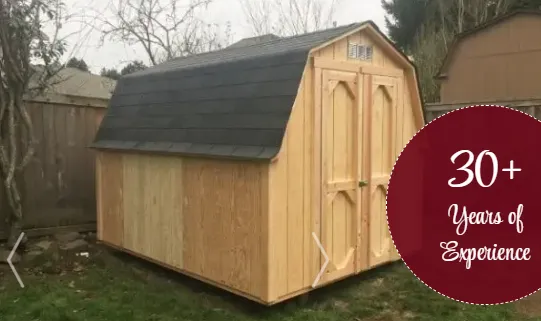

Anyone who has lived through a Pacific Northwest winter knows the feeling. The grass stays soggy for weeks, the fence posts darken at the base, and that musty smell creeps into anything left outside for too long. It isn't just an inconvenience. Persistent moisture quietly breaks down wood, weakens structures, and creates the perfect environment for mold spores to multiply behind walls, under floors, and inside roof cavities where nobody thinks to look. By the time the damage becomes visible, it has often been spreading for months.
This is the reality for backyard structures in a region that receives rain for more than half the year. A shed, a workshop, or a small backyard studio might look sturdy on the outside while quietly rotting from within. The good news is that mold growth is not inevitable. With the right planning, materials, and maintenance habits, a backyard structure can stay dry, healthy, and structurally sound for decades. Many homeowners turn to experienced shed construction companies Seattle residents trust precisely because local builders understand how to design around this climate rather than against it. Understanding why moisture becomes a problem, and what can be done about it, is the first step toward a backyard that stays mold-free no matter how long the gray skies linger. Keep reading.
Why Seattle's Climate Is a Breeding Ground for Backyard Mold:
Mold needs three things to thrive: moisture, organic material, and still air. Seattle's climate provides the first ingredient in abundance. Average annual rainfall hovers around 38 inches, spread across roughly 150 rainy days, and the humidity rarely drops low enough to let surfaces fully dry out between storms. Wood siding, untreated framing, and even concrete slabs absorb this ambient moisture over time, creating the damp, organic-rich conditions mold spores need to settle in and spread.
What makes this especially tricky is that mold does not need a flood or a leaking roof to take hold. Condensation alone, the kind that forms when warm indoor air meets a cold exterior wall, can sustain a colony for months. Backyard sheds and outbuildings are particularly vulnerable because they are often built with less attention to insulation and airflow than a primary residence. A structure that traps moisture instead of releasing it becomes, in effect, a slow-motion incubator. This is why mold prevention has to start at the design stage, not after the first dark patch appears on a wall.
Choosing the Right Foundation and Site Placement:
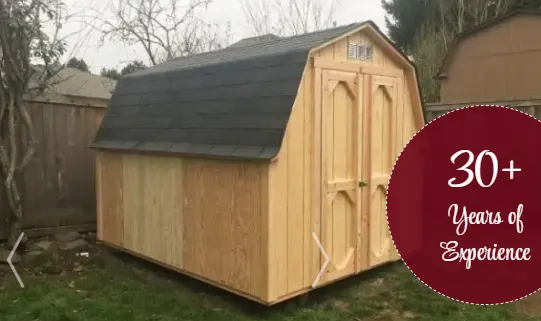
Where a structure sits matters just as much as how it is built. Low points in a yard collect runoff, and a shed placed in one of these spots will spend the rainy season sitting in standing water or saturated soil. Over time, that moisture wicks upward into framing and flooring, even when the building itself is well constructed.
A raised foundation, whether it is a gravel pad, concrete piers, or a treated wood skid system, creates a buffer between the structure and the wet ground below. This small gap allows air to circulate underneath, which speeds up drying and prevents water from pooling against the base of the walls.
Grading the surrounding soil so it slopes gently away from the building also keeps rainwater moving toward a drain or garden bed instead of settling around the foundation. These details are easy to overlook, but they are often the difference between a backyard structure that lasts twenty years and one that needs major repairs within five.
Ventilation: The Unsung Hero of Mold Prevention:
If moisture is the fuel for mold, stagnant air is the spark that lets it ignite. Ventilation is one of the most overlooked aspects of backyard construction, yet it does more to prevent mold than almost any other single feature. A well-ventilated structure allows warm, moist air to escape before it condenses on cold surfaces like the underside of a roof or the inside of an exterior wall.
Ridge vents, soffit vents, and small gable vents work together to create continuous airflow through a roof cavity, pulling humid air out and drawing fresh air in. Inside the building, even a basic window that opens or a louvered vent near the floor can make a noticeable difference in how quickly the space dries out after a wet week.
For storage sheds or workshops that hold equipment, lawn tools, or seasonal items, good airflow also protects the contents themselves from the kind of musty dampness that ruins fabric, paper, and untreated wood. Builders who specialize in this region tend to design ventilation into the structure from day one, rather than treating it as an afterthought once a mold problem has already appeared.
Material Choices That Resist Moisture and Decay:
Not all building materials respond to moisture the same way, and choosing the right ones can dramatically reduce the chances of mold ever taking hold. Pressure-treated lumber, for example, is infused with chemicals that resist rot and insect damage, making it a smart choice for framing and any wood in direct contact with the ground. Cedar is another popular option in the Pacific Northwest because it contains natural oils that repel moisture and discourage fungal growth, all while aging into an attractive silver-gray patina.
For siding, fiber cement boards and metal panels offer excellent resistance to water absorption compared to traditional wood siding, and they require far less ongoing maintenance. Inside the structure, moisture-resistant drywall and mold-inhibiting paint add another layer of protection, especially in areas prone to condensation. Even the choice of insulation matters.
Closed-cell spray foam, for instance, does not absorb water the way fiberglass batts can, which means it continues performing even if a small amount of moisture finds its way into a wall cavity. Selecting materials with moisture resistance built in reduces the burden on every other part of the mold-prevention strategy.
The Role of Professional Builders in Long-Term Mold Defense:
There is a meaningful difference between a structure thrown together over a weekend and one designed with the local climate in mind. Reputable shed construction companies Seattle homeowners rely on bring more than carpentry skills to a project. They understand local building codes, drainage patterns, and the specific moisture challenges that come with this region's weather, and they apply that knowledge to every stage of construction, from site preparation to final trim work.
Working with experienced shed construction companies Seattle-wide also means access to proper flashing techniques around windows, doors, and rooflines, which prevent water from sneaking behind siding where it can cause hidden damage. Professional builders typically use vapor barriers correctly placed within wall assemblies, ensuring moisture is blocked from entering while still allowing the structure to breathe where needed.
This balance is surprisingly easy to get wrong, and a poorly placed vapor barrier can actually trap moisture inside a wall, making the problem worse rather than better. Hiring a team with regional experience removes much of the guesswork and gives homeowners confidence that their investment will hold up through many wet seasons to come.
Roofing and Drainage Solutions for Wet Backyards:
A roof does more than keep rain off the top of a structure. It directs water away from the entire building, and how well it does that job has a direct impact on mold risk. Proper roof pitch matters because a steeper slope shed water faster, reducing the amount of time moisture sits on the surface. Quality roofing materials, paired with well-sealed seams and properly installed underlayment, prevent small leaks from turning into long-term moisture problems.
Gutters and downspouts deserve just as much attention as the roofing material itself. Without them, rainwater cascades directly off the roof edge and saturates the soil right next to the foundation, which is exactly the scenario that leads to wood rot and mold growth at the base of walls.
Directing downspouts toward a drainage system, a dry well, or simply a few extra feet away from the structure keeps that water from becoming a recurring problem. In a region where storms can deliver heavy rainfall in short bursts, a well-designed drainage plan is just as important as any single building material.
Maintenance Habits That Keep Mold at Bay:
Even the best-built structure needs ongoing attention to stay mold-free, and small habits practiced consistently go a long way. Clearing leaves and debris from gutters before the rainy season begins prevents clogs that send water spilling over the edges and down the siding. Walking around the structure after a heavy storm to check for pooling water or damp spots near the foundation helps catch problems early, while they are still easy to fix.
Inside, keeping items off the floor with simple shelving or pallets allows air to circulate underneath and prevents moisture from being trapped against stored belongings. Wiping down condensation on windows or metal surfaces during cold mornings stops it from soaking into nearby wood.
Periodically checking the seals around doors and windows for cracks or gaps ensures water isn't finding a sneaky way inside. None of these tasks takes much time, but together they form a maintenance rhythm that keeps a backyard structure resilient year after year, regardless of how many inches of rain the season brings.
Bringing It All Together for a Healthier Backyard:
Mold doesn't need a dramatic flood or a major leak to take hold in a backyard structure. It simply needs moisture, organic material, and stagnant air, all of which are easy to find during a typical Seattle winter. The encouraging part is that every single risk factor discussed here can be addressed through thoughtful planning, the right materials, and consistent upkeep.
Homeowners who want lasting peace of mind should start by evaluating where a structure sits on the property and whether the site allows water to drain away naturally. From there, prioritizing ventilation, choosing moisture-resistant materials, and installing a roof and gutter system designed for heavy rainfall will go a long way toward preventing trouble before it starts.
Conclusion!
For anyone planning a new build or renovating an existing structure, reaching out to experienced local professionals is one of the smartest moves available, since they bring climate-specific knowledge that generic advice simply cannot replace.
Pair that expertise with a few simple seasonal habits, like clearing gutters and checking for damp spots after storms, and a backyard shed or workshop can remain dry, sturdy, and mold-free for many rainy seasons to come.
























Sign in to leave a comment.