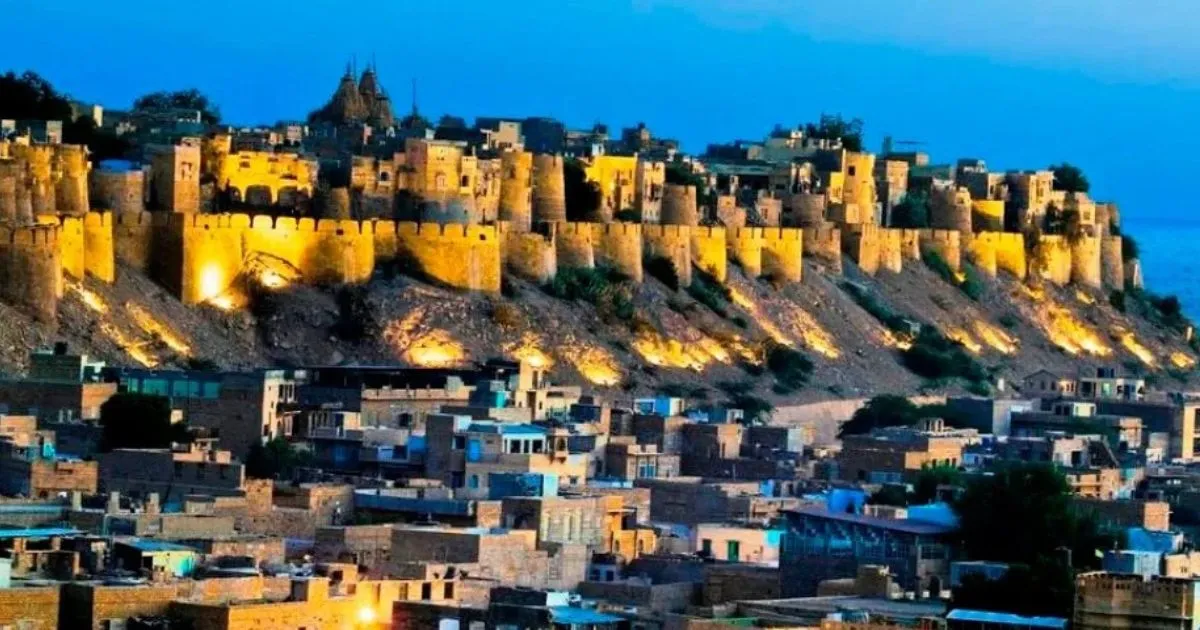

Stepping into Jaisalmer feels less like arriving in a modern city and more like wandering onto the pages of a timeless desert chronicle. Known globally as the "Golden City," its honey-colored sandstone architecture blends seamlessly into the vast expanses of the Thar Desert. For any traveler planning their very first journey to this golden oasis, booking an authentic camp in Jaisalmer serves as the ultimate gateway to experiencing the region's rich heritage, warm hospitality, and breathtaking landscapes. This guide breaks down exactly how to navigate your first visit to ensure an unforgettable, trustworthy, and deeply enriching desert adventure.
The Magic of the Living Fort
Unlike most historical forts across India that serve strictly as preserved museums, Jaisalmer Fort—also known as Sonar Qila—is a living ecosystem. Built in 1156 AD by the Rajput ruler Rawal Jaisal, it still houses nearly one-quarter of the old city's population.
Walking through its narrow, winding alleys requires no fixed itinerary. As you explore, you will encounter generations of families living in ancient havelis (ornate mansions), vibrant shops selling embroidered textiles, and local artisans crafting traditional silver jewelry. To truly appreciate the historical architecture, visit the stunning group of seven interconnected Jain Temples built between the 12th and 15th centuries. The intricate stone carvings here demonstrate a level of craftsmanship that has survived centuries of desert winds.
Chasing Sunsets in the Thar Desert
No first-time trip to the Golden City is complete without dedicating time to the shifting sands of Sam or Khuri. While the daytime heat tells one story, the desert completely transforms as the sun begins its descent.
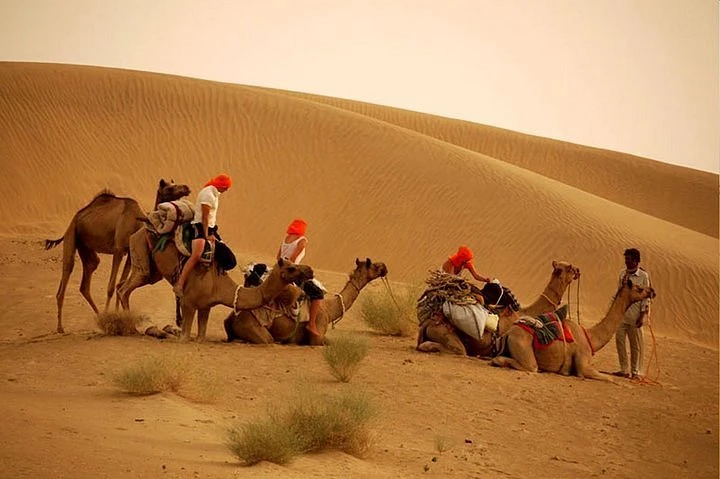
Mounting a camel for a trek across the ripples of the Sam Sand Dunes provides a classic, unobstructed view of a desert sunset. As the sky turns from brilliant orange to a deep violet, the true peace of the Thar sets in. Following the trek, gathering around a communal campfire under a canopy of stars offers a profound connection to Rajasthani culture. Local artists frequently perform traditional Kalbelia dance and Manganiyar folk music, their acoustic instruments echoing beautifully across the silent dunes.
Choosing Your Desert Accommodation
Where you lay your head after a day of exploration dictates the quality of your experience. For travelers seeking a balance between rugged desert beauty and modern comfort, choosing a premium desert tent in Jaisalmer elevates the entire journey.
Modern desert camps have masterfully bridged the gap between heritage and luxury. These setups feature spacious canvas walls, attached stone bathrooms with hot water, and traditional block-printed interiors. Staying directly on the dunes allows you to wake up to a crisp desert sunrise, stepping straight out of your private deck onto the cool morning sand—an experience that standard city hotels simply cannot replicate.
Architectural Wonders: Havelis and Lakes
Beyond the fort walls lie architectural marvels built by wealthy merchants of the 19th century. Patwon Ki Haveli is the largest and most elaborate of these structures. It is actually a cluster of five small havelis, featuring over 60 balconies adorned with distinct, complex latticework. The design was not just for show; the stone screens allowed noble women to view the streets while staying completely private, while simultaneously channeling the desert breeze to cool the interiors.
A short distance away lies Gadisar Lake, a man-made water reservoir constructed in the 14th century. Surrounded by artistic shrines, temples, and the magnificent Tilon Ki Pol gateway, it is the ideal spot for a quiet morning boat ride. In the winter months, the lake becomes a temporary home for various migratory birds, making it a favorite spot for photographers.
Planning Your Itinerary Efficiently
When organizing a trip to this remote corner of Rajasthan, balancing your time between city exploration and desert relaxation is key. Opting for a structured plan like the 02 Night 03 Days Jaisalmer Budget Package ensures you cover all the major milestones without feeling rushed. A standard, well-optimized route generally follows a smooth three-day progression:
- Day 1: Arrival and Fort Exploration – Spend your first day settling in, walking through the living fort, visiting Patwon Ki Haveli, and watching the sunset over Gadisar Lake.
- Day 2: Cultural Heritage and the Dunes – Visit the ghost village of Kuldhara in the morning to learn about its mysterious 19th-century abandonment, then head out to your desert camp by afternoon for camel rides and cultural performances.
- Day 3: Sunrise and Departure – Enjoy a quiet morning walking the sand dunes at dawn, indulge in a traditional Rajasthani breakfast, and head back to the city for local shopping before your departure.
Savoring Authentic Flavors
To understand Jaisalmer, you must taste its geography. The local cuisine reflects a landscape where water was historically scarce, meaning curd, milk, and clarified butter (ghee) take center stage over fresh vegetables.
Do not leave without trying Ker Sangri, a unique dish made from wild desert berries and beans cooked with local spices. Pair it with Bajre ki Roti (pearl millet flatbread) heavily laced with ghee. For meat lovers, Lal Maas—a fiery mutton curry slow-cooked with red Mathania chilies—provides a rich taste of royal hunter traditions.

























Sign in to leave a comment.