

Which features actually move a home's resale price years out — and which ones stop mattering the moment you unpack? It's not just square footage or zip code. Structural elements, core systems, and specific design choices can either compound in value or quietly bleed equity through neglect and dated choices. Knowing the difference separates smart renovation spending from money that simply disappears into the walls.
1. Kitchen and Bathroom Quality
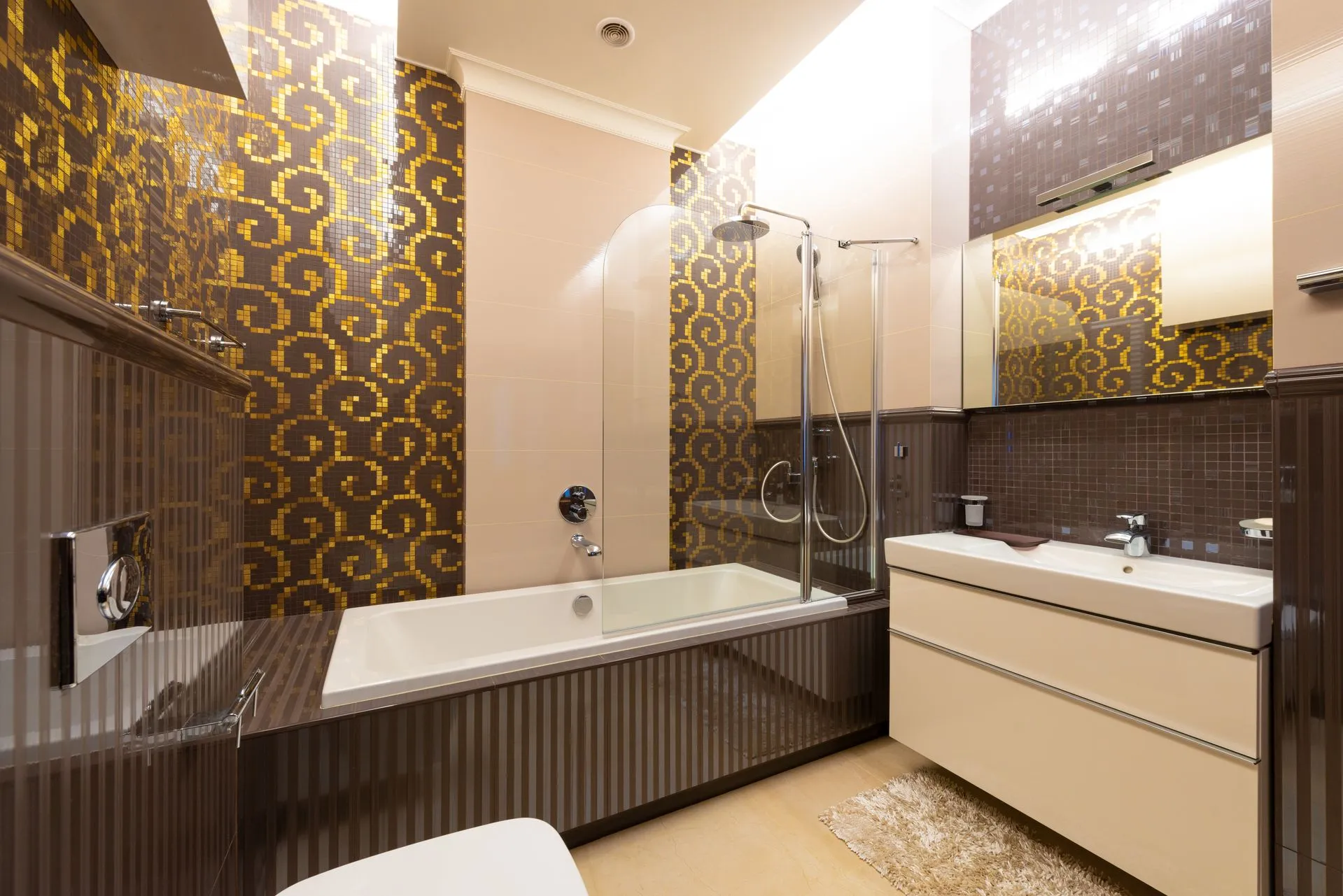
These two rooms drive appraisals more than any others. Walk into a kitchen with updated appliances, decent counter space, and a layout that actually makes sense — that's what locks in a buyer's first impression of the entire house. Not just that room. Everything. A dated kitchen signals neglect elsewhere; buyers assume the rest of the home got the same treatment. Bathrooms work identically. Primary baths especially — double sinks, solid fixtures, ventilation that doesn't sound like a dying animal. Tiny percentage of total square footage. Enormous percentage of what determines value. Let either room slide for five or ten years? Equity disappears faster than almost any other mistake you can make as an owner.
2. Roof and Structural Integrity
Nobody thinks about the roof. Until water's dripping through the ceiling. When it fails, the cascade hits hard — interior intrusion, mold, compromised framing, repair bills climbing into the tens of thousands before anyone blinks. Inspectors and appraisers treat roof age as shorthand for overall care. A five-year-old roof reads completely differently than a fifteen-year-old one. For homeowners managing resale timelines or long-term maintenance schedules, Roof replacement protects structural integrity in ways no interior upgrade can replicate. Foundation soundness, frame condition, load-bearing walls — invisible systems, all of them, but they underpin literally everything else. Fresh paint and new flooring can't offset structural red flags. Buyers negotiate hard against them. And major structural repairs? They destroy equity faster than almost any other problem a property can carry.
3. Energy Efficiency Systems
Efficient HVAC, solid attic insulation, sealed air leaks — buyers care about these far more than they used to. Operating costs are baked into the purchase calculation now. A home that's cheaper to heat and cool carries a financial argument that goes well beyond curb appeal. Energy-efficient windows, upgraded wall insulation, programmable thermostats — none of that is a luxury add-on anymore. It's a value driver. Aging heating systems and lousy insulation mean ongoing repair bills and utility costs that suppress what buyers will offer. Homes running efficiently hold stronger market positions as fuel costs shift and economic conditions tighten.
4. Flooring and Interior Finishes
Flooring absorbs more punishment than almost any other surface. Its condition is among the first things buyers register — consciously or not. Quality hardwood, tile, well-maintained composite materials: these age well, can be refinished rather than replaced. Cheap carpet and worn vinyl send the opposite signal. They tell buyers to budget for ripping everything out, which immediately lowers what they're willing to offer. Wall paint, trim, cabinet finishes — same pattern. Quality materials maintained consistently hold value; shortcuts accelerate visible deterioration. A home with dingy, scuffed-up surfaces will appraise below an otherwise identical property that simply looks cared for.
5. Location Stability and Neighborhood Trends
You can't renovate your way out of a declining neighborhood. Hard truth. Location value can't be modified — but it absolutely shapes long-term appreciation trajectories. Established neighborhoods with strong schools, low crime, and accessible employment consistently outperform transitional areas regardless of what the individual houses look like. Proximity to parks, shopping, transit, and community services drives decade-long demand. Not just current buyer appeal. Two nearly identical homes in different neighborhoods can appreciate at wildly different rates. Desirable schools and vibrant commercial districts attract sustained buyer interest through economic cycles. Neighborhoods losing population or wrestling with deteriorating infrastructure create headwinds that even excellent home condition can't fully overcome.
Conclusion
Long-term property value is built across several categories simultaneously — roofs and structural integrity, kitchens and bathrooms, efficiency systems, interior surfaces, neighborhood fundamentals. Homeowners who invest in these areas protect equity far more effectively than those chasing trendy, surface-level improvements. The homes holding strong prices over ten, twenty, thirty years tend to share the same traits: sound foundations, updated major systems, quality finishes, stable locations. Understand those drivers and you make smarter buying decisions. You also spend renovation dollars where they actually move the needle — not where they just look good for a season.




















Sign in to leave a comment.