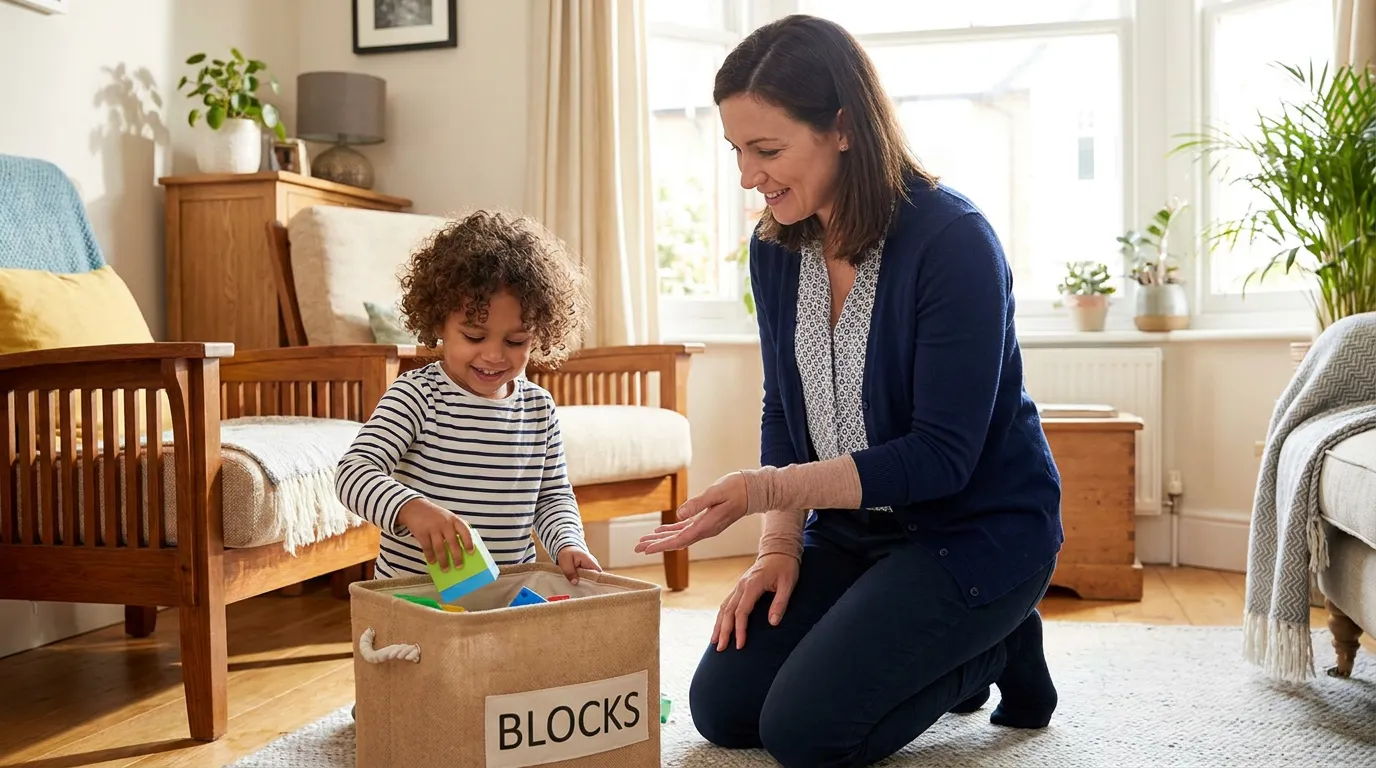

Children with autism often have the capacity for far greater independence than their early behavior suggests. The gap between where a child starts and what they're capable of is frequently a matter of teaching approach, not potential. ABA therapy is built around closing that gap systematically, using evidence-based methods to teach skills that generalize into real life.
The framework underlying ABA, applied behavior analysis, is about understanding why behaviors happen and then shaping new ones through structured reinforcement. For independence specifically, this means breaking down complex daily tasks into component steps, each of which can be taught and mastered individually. Brushing teeth, getting dressed, requesting help, tolerating transitions, managing frustration without escalating: these aren't abstract goals. They're skill sequences that BCBAs design programs around, with data collected at every session to track what's working.
What separates a well-run ABA program from a generic behavioral approach is the rigor of individualization. A child's treatment plan begins with a comprehensive functional behavior assessment and a skills assessment using tools like the VB-MAPP or ABLLS-R. These evaluations identify where the child currently is, what barriers exist to progress, and which skills to target first for the highest functional impact.
Teaching Skills That Transfer to Real Life
One of the core principles of ABA is generalization. It's not enough for a child to perform a skill in a clinic with one therapist under identical conditions every session. The goal is for that skill to show up at home, at school, on weekends, in different environments with different people. BCBAs plan for generalization from the start, varying instructors, settings, and materials so skills don't stay locked to a single context.
For families working with a provider that serves multiple states, the applied behavior analysis services georgia offered through Aim Higher ABA are designed with this generalization focus in mind, building programs that parents and caregivers can reinforce across daily routines. Parent training is not an optional add-on; it's integral to the model because the adults in a child's life are the ones who provide the most daily practice opportunities.
Independence goals look different at every age and every level of support need. For a three-year-old, independence might mean requesting a preferred item using a picture card rather than a tantrum. For a ten-year-old, it might mean independently completing a morning routine with a visual schedule. For a teenager, it might mean managing transitions between school and home without significant behavioral disruption. ABA programs adapt as children grow, shifting targets to match developmental stage and real-world demands.
Why Data-Driven Progress Matters
Progress in ABA isn't measured by gut feeling. Every session produces data: frequency of target behaviors, accuracy on skill trials, whether prompts are being faded, whether behaviors that interfere with learning are decreasing. This creates an objective record that families, BCBAs, and insurance reviewers can all reference. When something isn't working, the data shows it early, before weeks of effort go in the wrong direction.
That accountability structure is one reason ABA has accumulated the strongest research base of any autism intervention. For families just starting to explore their options, understanding how ABA actually works, not just that it's recommended, can make a real difference in how they evaluate providers and advocate for their child's program.





























Sign in to leave a comment.