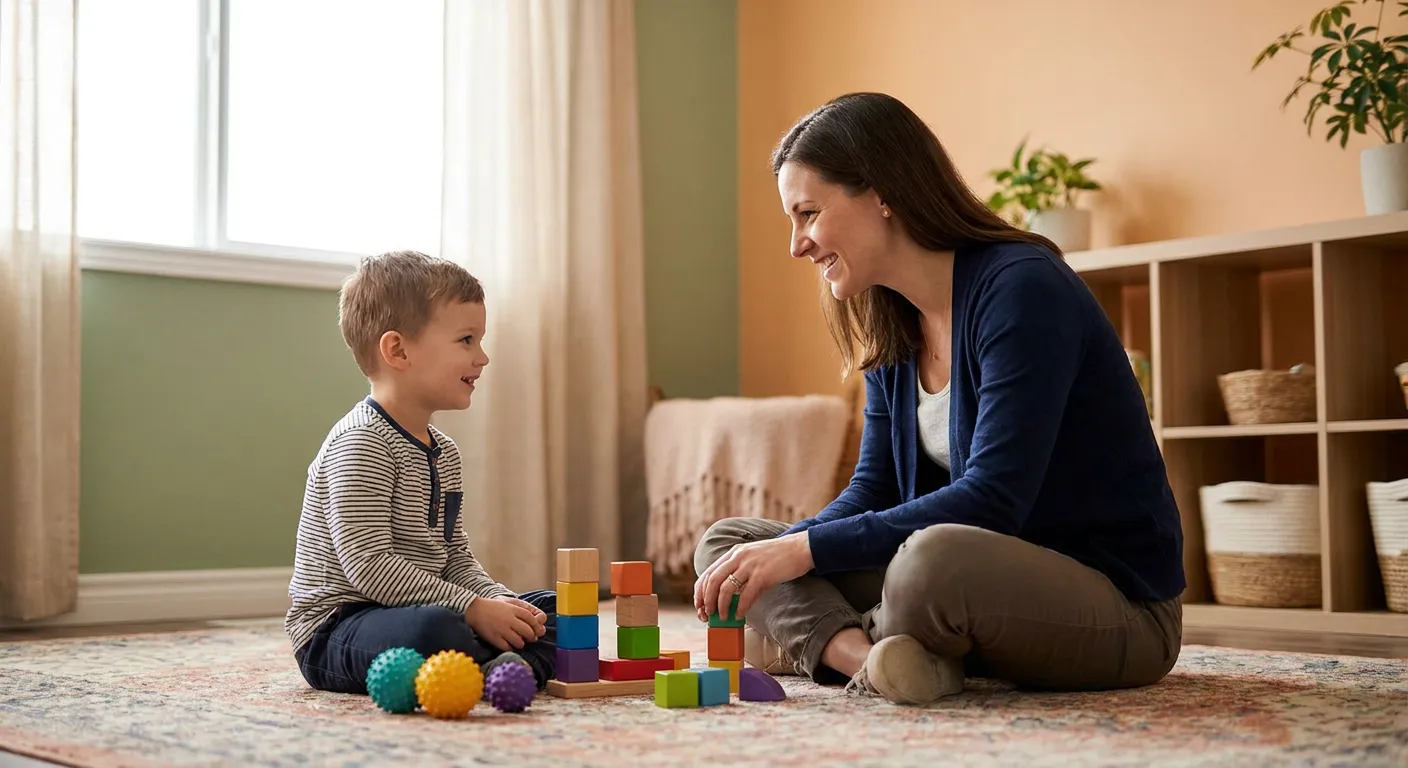

Choosing an ABA provider is not just about geography or insurance acceptance. The people delivering therapy — their training, their philosophy, and how they work with families — determine whether the experience is genuinely beneficial or merely compliant. For Atlanta families considering Aim Higher ABA, understanding who is behind the organization and how the clinical team operates is worth looking at closely.
Leadership and Clinical Philosophy
Aim Higher ABA was built on the premise that in-home therapy, when delivered with fidelity and genuine family partnership, produces better outcomes than clinic-only models for most children with autism. The organization's leadership reflects that conviction — the clinical structure prioritizes BCBA supervision, individualized treatment planning, and ongoing parent collaboration over standardized protocols that ignore the child's actual environment.
This philosophy shapes hiring decisions, training standards, and how cases are staffed. It also explains why the organization focuses on Atlanta: serving a defined geographic area well, rather than expanding too broadly, allows for the kind of team cohesion and responsive supervision that quality ABA requires.
Board Certified Behavior Analysts (BCBAs)
At the clinical core of Aim Higher's services are BCBAs — professionals who have completed graduate-level coursework in behavior analysis, accumulated supervised fieldwork hours, and passed the national certification examination administered by the Behavior Analyst Certification Board. BCBAs are responsible for conducting initial assessments, designing individualized treatment plans, supervising RBTs, and communicating with families about progress and plan updates.
In Georgia, BCBAs must also hold state licensure as a Licensed Behavior Analyst (LBA). Families should always confirm that a provider's clinical staff are both BACB-certified and state-licensed — both credentials are required for ethical and legal practice.
Registered Behavior Technicians (RBTs)
RBTs are the staff members who deliver the majority of direct therapy hours. They work under BCBA supervision, implementing the treatment plan during scheduled sessions and collecting data on target behaviors. RBT training follows a standardized curriculum set by the BACB, including a competency assessment before the credential is awarded.
The quality of an RBT's work is closely tied to the supervision they receive. At Aim Higher, supervision ratios and observation schedules are designed to ensure that RBTs have regular access to BCBA guidance and that any clinical concerns are addressed promptly rather than allowed to drift.
Family Partnership as a Structural Priority
About Aim Higher as an organization, what stands out is the deliberate integration of families into the clinical process. Parent training is not an afterthought or an add-on — it is built into the treatment model. BCBAs coach caregivers during sessions, review strategies between sessions, and adjust recommendations based on what is actually workable in each household.
This approach requires staff who can communicate clearly with non-clinicians, who can hold clinical rigor alongside cultural sensitivity, and who understand that a family's trust is earned through consistency rather than promised through marketing.
What to Look for When Evaluating Any ABA Team
For families comparing providers, the key questions are practical: How often will a BCBA directly observe my child's sessions? How are RBTs trained and what does ongoing supervision look like? How will I receive updates on my child's progress and how are plan changes communicated?
The answers to those questions reveal more about an organization's clinical culture than any marketing material. Aim Higher's structure is built to answer them clearly.


























Sign in to leave a comment.