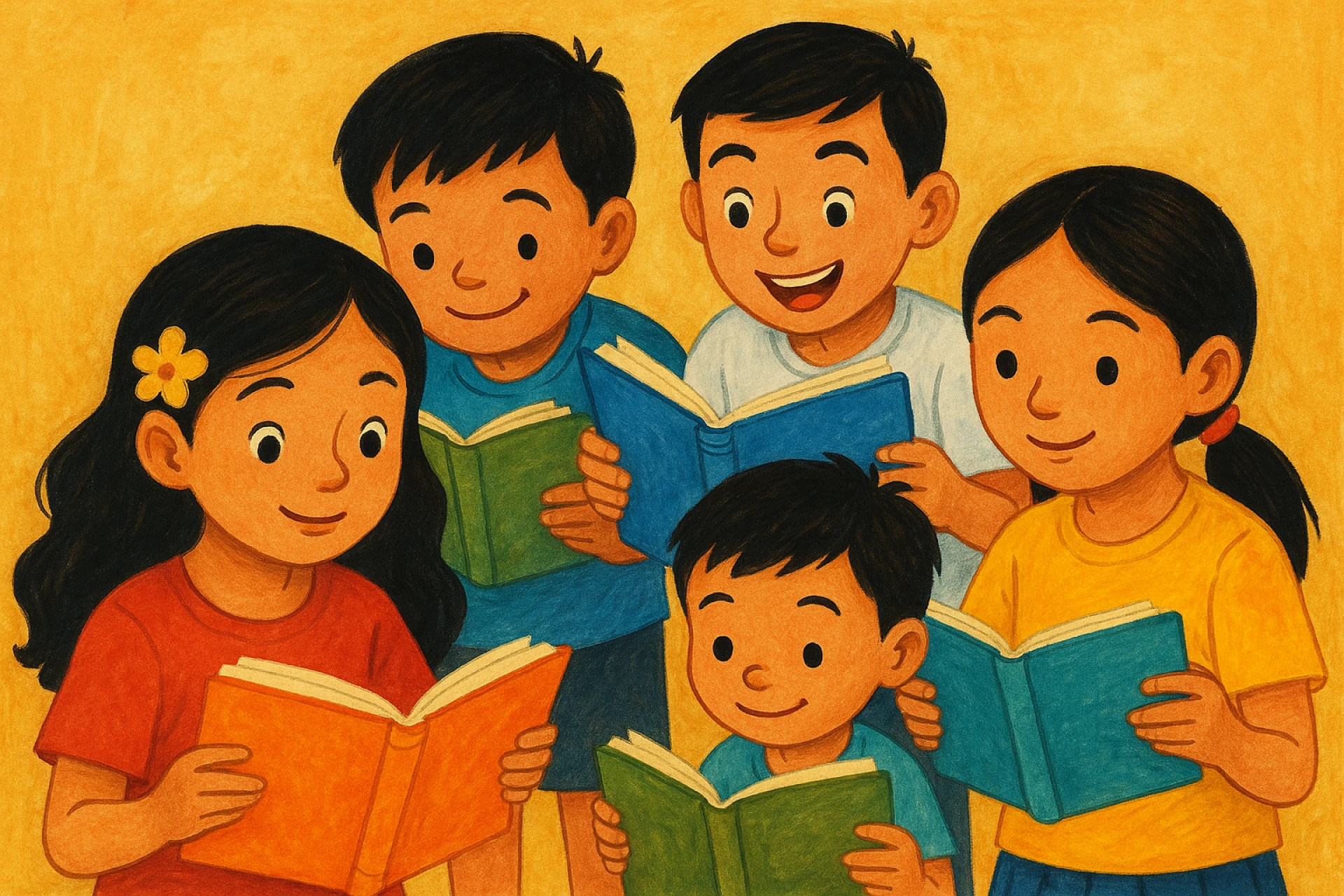
Finding great books for kids isn’t just about keeping them busy — it’s about giving them something to connect with. For Filipino families, that means looking beyond the usual foreign titles and bringing home stories that reflect our own language, values, and humor. Filipino children’s books give young readers a sense of belonging and pride in their roots, all while keeping things fun and entertaining.
Whether you're building a home library or looking for titles to read aloud at bedtime, there’s a whole world of local books waiting to be discovered. These stories don’t just teach — they also spark curiosity, get a few laughs, and leave a lasting impression. Here are a few reasons why Pinoy kids should get their hands on books made right here in the Philippines.
What Makes Filipino Children’s Books So Special?
There’s something refreshing about books where the names, settings, and traditions feel familiar. When a kid reads about a lola offering suman or a classmate speaking in Tagalog, they don’t just understand the story better — they feel seen. Filipino children’s books often feature local customs, family dynamics, and school life that mirror what kids experience every day. That kind of recognition matters.
But familiarity isn’t the only thing they offer. These books also balance wit, charm, and emotion in a way that speaks directly to Filipino kids. Characters are silly, brave, and real. They ask questions, make mistakes, and learn just like the reader. And yes, sometimes they talk to tikbalangs or dream about adobo.
You’ll also notice that these stories don’t shy away from tackling tough topics. Lub-dub, Lub-dub by Genaro Gojo Cruz touches on the heart of compassion and loss, while Si Kian by Weng Cahiles introduces children to real-life stories that stir empathy and awareness — all presented in age-appropriate ways. These books are honest without being heavy-handed.
Where to Start: Titles That Stick with You
If you're new to homegrown reads, don’t worry — there’s no shortage of excellent picks.
For younger kids, Ang Pambihirang Buhok ni Raquel by Dr. Luis P. Gatmaitan tells the heartwarming story of a girl with cancer, framed with humor and strength. Nang Magkakulay ang Nayon by May Tobias-Papa is another favorite, showing how creativity brings a village together.
Readers who enjoy a good laugh will love Ang Barumbadong Bus by Rene O. Villanueva, illustrated by Ruben de Jesus. It’s funny, loud, and just the right kind of wild that kids adore. Meanwhile, Alamat ng Ampalaya by Augie Rivera introduces children to Philippine vegetables with a surprising twist, showing that local legends can be both educational and wildly entertaining.
Bilingual titles like But That Won’t Wake Me Up! by Annie Luis, illustrated by Liza Flores, help bridge English and Filipino in an effortless, fun way. It’s perfect for parents raising multilingual children or trying to keep Filipino alive in overseas households.
There’s also Araw sa Palengke by May Tobias-Papa and illustrated by Isabel Roxas — a gentle, colorful story of a young girl’s first trip to the market with her mother. It's familiar, vivid, and deeply rooted in everyday Filipino life.
These titles may be short, but they have staying power. They're the kind of books kids ask to read again — and parents don’t mind repeating.
Supporting Local Stories Means More Than You Think
Every time you choose a book written and illustrated by Filipinos, you’re doing more than encouraging your child to read — you’re helping keep the local publishing scene alive. That might not seem like a big deal on the surface, but it actually makes a difference. It means more authors will write stories for our kids. More artists will bring pages to life. And more young readers will grow up knowing that their own voices matter.
Buying these books also supports independent bookstores, librarians, and teachers who believe in promoting Philippine literature. Plus, many of the writers behind these stories are parents and educators themselves. They know what clicks with kids because they’ve seen it firsthand.
The best part? These books aren’t limited to the classroom. They work for bedtime, family reading time, or even as gifts for birthday parties. They make kids curious and get them talking — the kind of reading that lingers, even after the book’s closed.
So the next time you're shopping for something to read with your child, take a second look at what local authors have to offer. These books may not come with movie tie-ins or cartoon spinoffs, but they carry something even better: heart, humor, and homegrown honesty.
Books can shape how a child sees themselves and the world around them. Filipino children’s books offer something few others can: characters who look like them, talk like them, and dream like them. They’re not just page-turners — they’re mirrors, too.









Sign in to leave a comment.