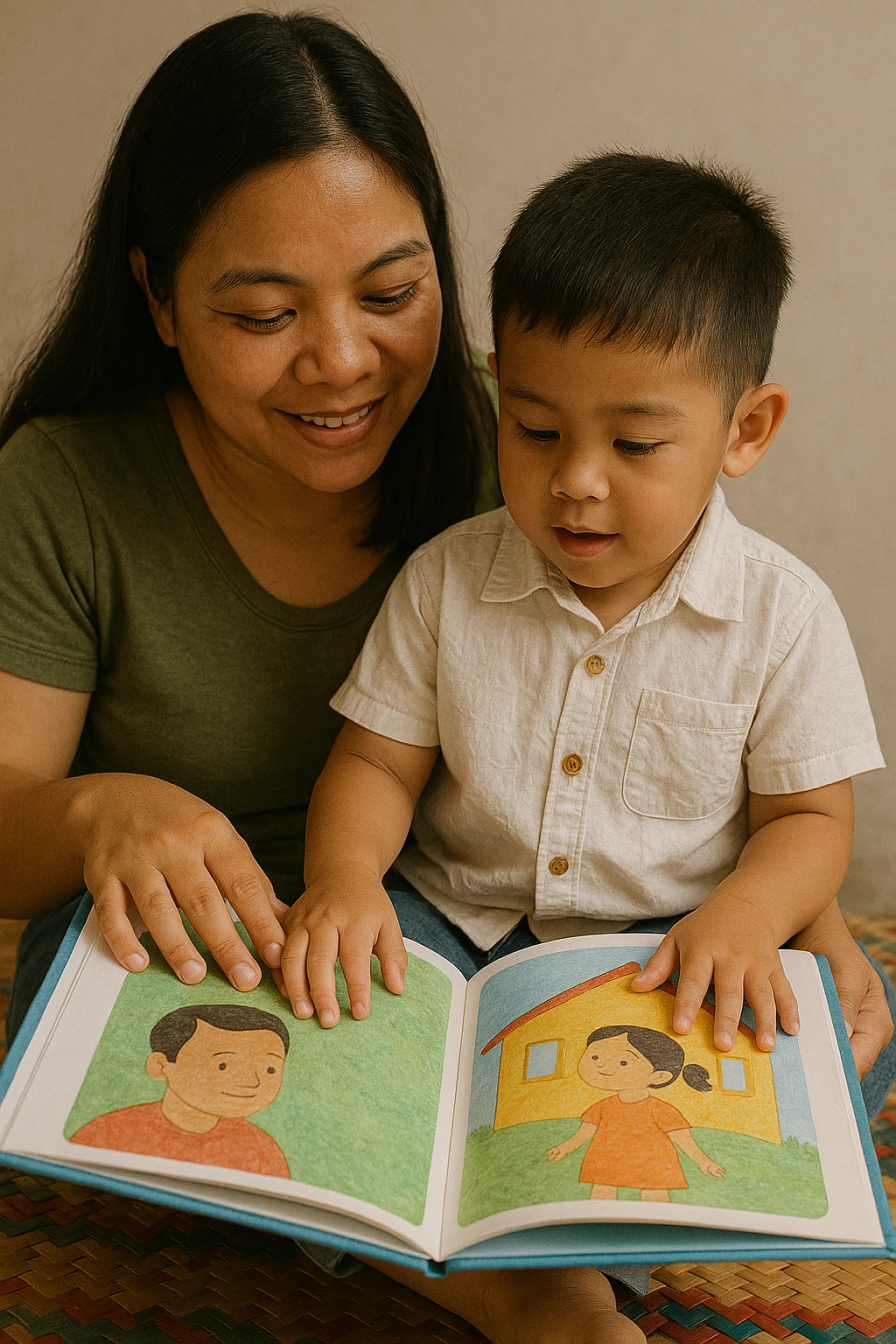

The first book a child holds can do more than teach them their A-Ba-Ka-Da. It can show them who they are. Filipino children’s books for early readers carry this quiet power—beyond the colors, the rhymes, and the cute characters. These books help young minds recognize the language spoken at home, see familiar settings on the page, and feel a sense of connection that’s hard to explain but easy to feel.
Early readers don’t just memorize words. They pick up tone, rhythm, and emotion. When we offer books written in Filipino, kids don’t just learn how to read. They start to build a relationship with a language that belongs to them. That’s why books for early readers should feel close to home—from the palengke to Lola’s kwento before bedtime. These details matter because they tell kids, “This world is yours.”
How Filipino Children’s Books Shape Everyday Thinking
The best children’s books make the ordinary feel worth noticing. Filipino early readers do this in small, smart ways—pointing to things kids already know: the sound of a tricycle, the shape of a mango, the habit of removing slippers at the door. These books don’t need big twists or dramatic lessons. They work because they feel real.
When a child sees a brown-skinned boy feeding chickens in a backyard or a young girl helping her mom hang kalamansi on a string for anting-anting, something happens. It feels like the book was written just for them. And that familiarity builds more than just vocabulary—it builds self-trust.
Many of these books keep the language simple. They repeat phrases and match them with clear visuals, helping early readers feel confident. They don’t just decode sounds—they follow along with what’s happening in the story, even before they can read every word. That kind of early success makes kids want to pick up more books, more often.
In a home where English dominates the TV or school, a Filipino book stands out. It invites a child to think in Filipino—not just speak it when required, but think in it, feel in it. That’s where real language use begins.
Why It Helps to See and Hear Familiar Things in Books
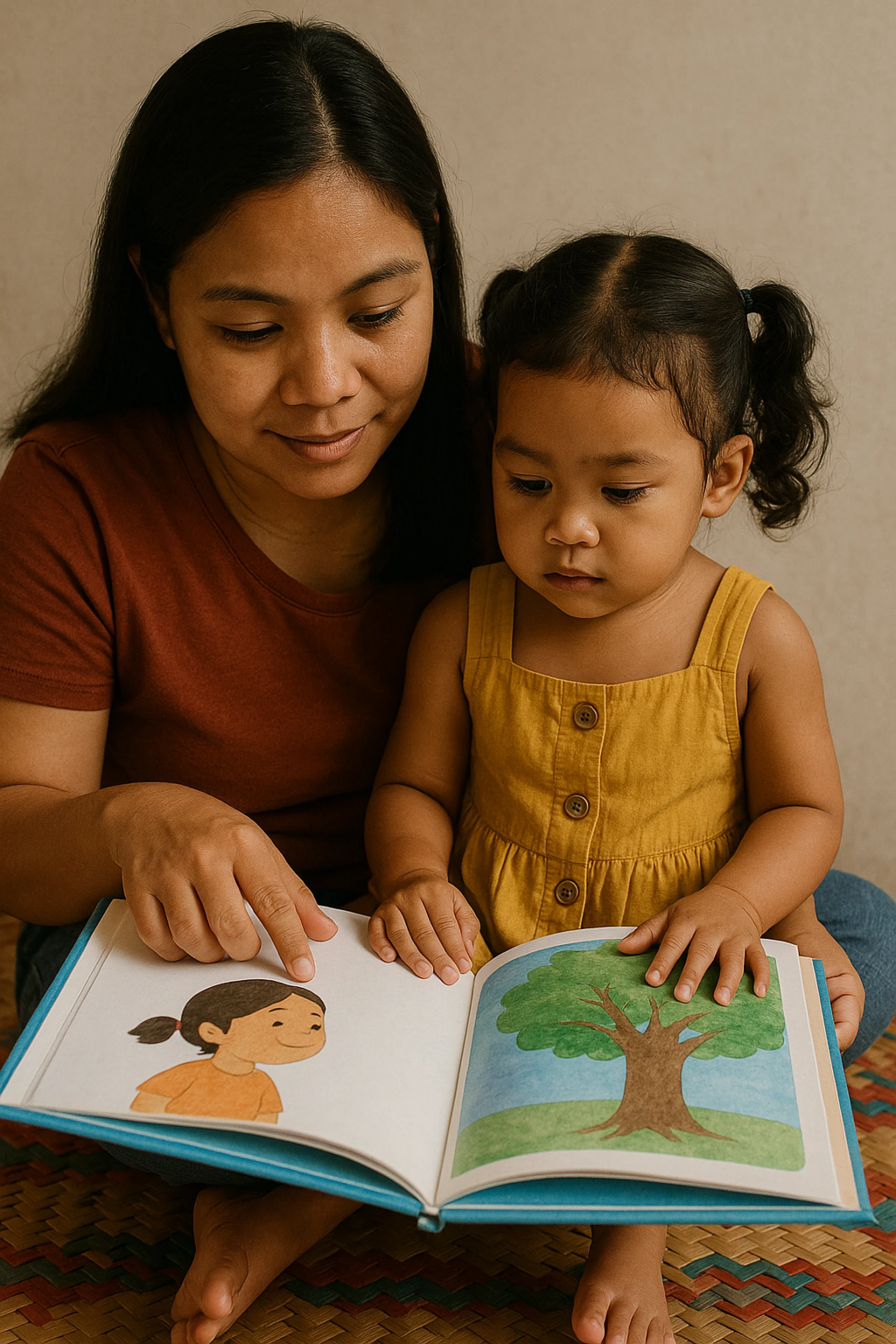
Think about the last time you read to a child. Chances are, they pointed at something in the picture or repeated a funny word. That’s because kids interact with books in active ways. Filipino children’s books that reflect their daily life make that experience even richer. When the language sounds like home, and the setting looks like their neighborhood, reading becomes a kind of mirror.
A book about waking up and smelling tuyo or helping Tatay wash the jeep isn't just about teaching routine—it’s about showing kids that these moments are worth telling stories about. They see that their day-to-day matters.
For families abroad, especially those who want to keep their kids rooted in the language, these books serve as gentle anchors. They help parents keep conversations in Filipino going, even when they live in places where that language isn’t spoken often. A short story about Buwan ng Wika or bahay kubo isn’t just nostalgic—it becomes a way to pass something real to the next generation.
It’s also worth mentioning that some books mix Filipino and English naturally, just like how many kids speak. This mix doesn’t confuse them—it reflects how they already communicate. It shows them that both languages can exist side by side, without one being better than the other.
Small Books, Big Results for Lifelong Readers
Kids don’t become strong readers overnight. They build confidence in small steps—recognizing words, predicting what happens next, laughing at silly rhymes. Filipino children’s books help lay that foundation by making those first steps feel fun and familiar.
It’s easy to think these early books are just stepping stones. But what happens during this phase sticks. A child who first learns to read through stories about Filipino family life may carry that feeling of belonging for years. They may grow up to read in any language, but they’ll remember the first one that felt like home.
Schools, libraries, and even mobile reading apps have started to feature more of these titles. That’s good news. But parents and guardians still play the biggest part. Reading aloud, even just for five minutes at bedtime, gives the story space to sink in. If you're not sure how to pronounce every word—don't stress. Kids will notice your effort. What matters more is that you're reading it together.
The stories don’t have to be complicated. Some of the best ones are about counting rice grains, finding shapes in clouds, or walking to the sari-sari store. These small scenes hold more meaning than we often give them credit for. They show kids that stories can be found in their own backyard—not just in fairy tales from far away.
Filipino children’s books for early readers deserve a place not just on bookshelves, but in everyday routines. They support language growth, yes—but more than that, they give young readers a reason to feel proud of their roots. And in a world full of stories, knowing your own is a pretty great place to start.
























Sign in to leave a comment.