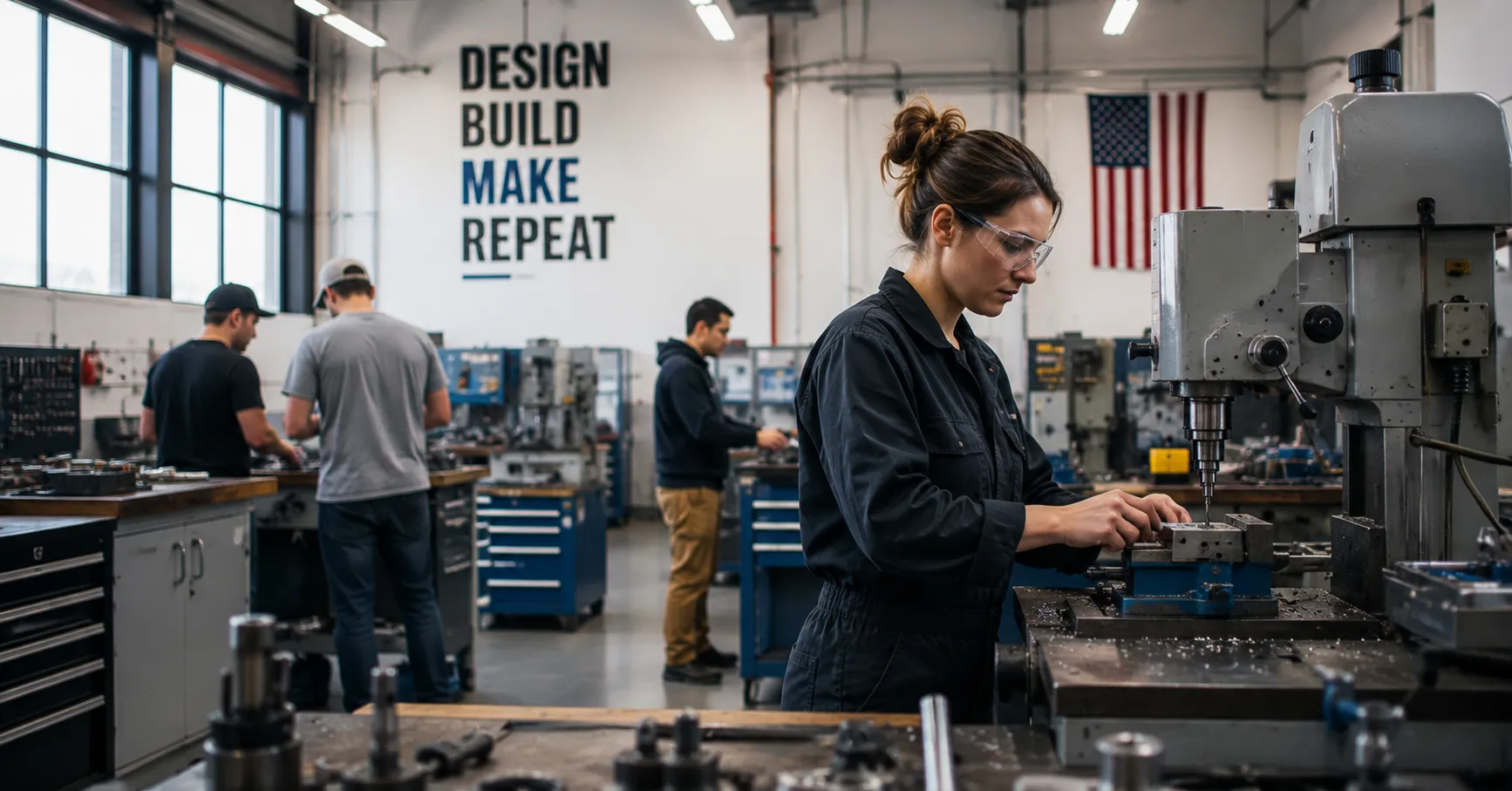

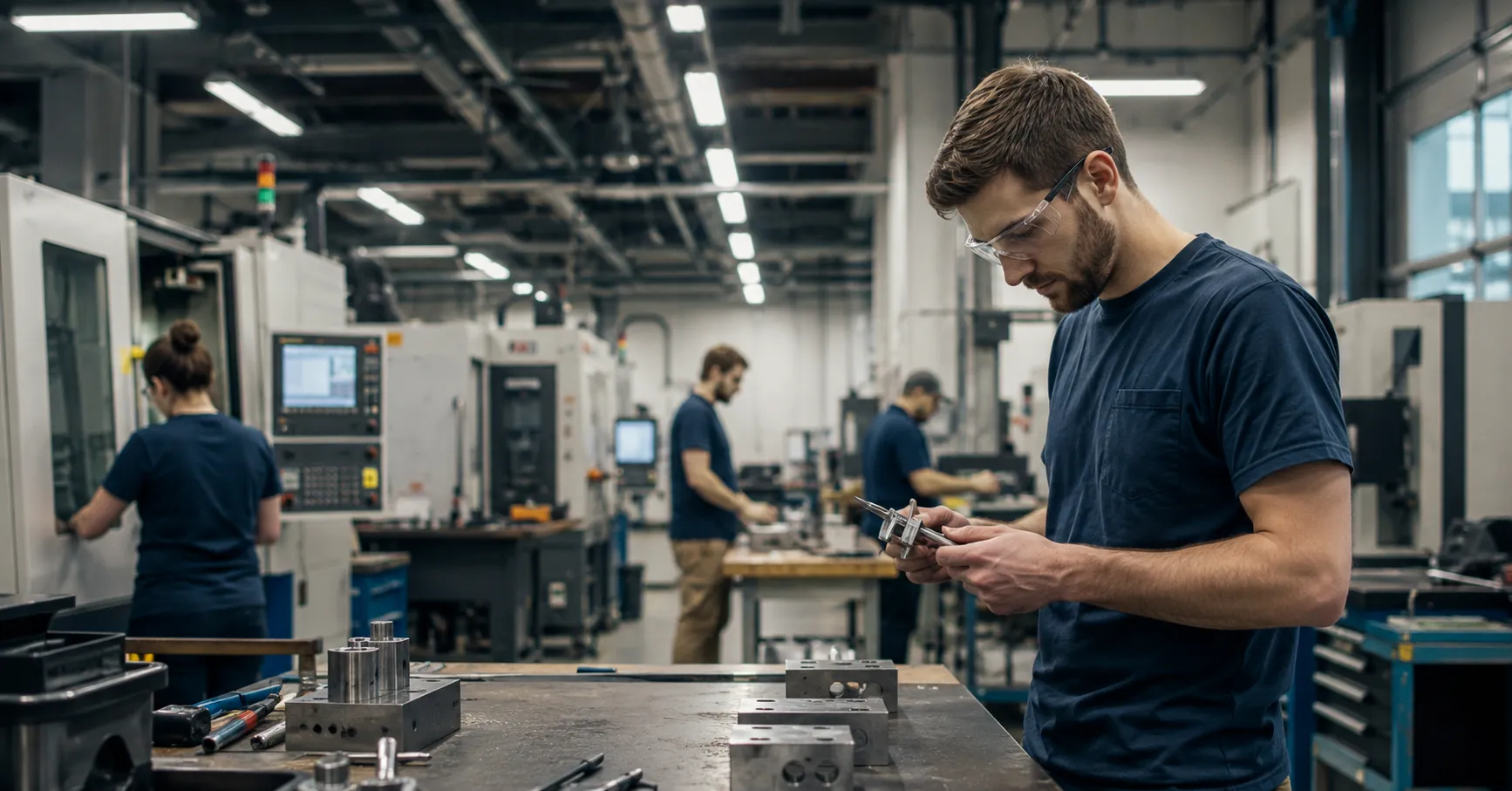
Something is shifting in the way people think about work. Professionals who spent years building careers behind screens — in marketing, finance, project management, and tech — are walking away from those roles and enrolling in trade and technical programs. Not out of desperation, but out of a deliberate choice to work with their hands, build real things, and trade abstract deliverables for tangible results.
This isn't a niche trend. It's a quiet but steady migration that cuts across age groups, income levels, and educational backgrounds.
The Burnout-to-Fabrication Pipeline
Burnout from knowledge work has become a well-documented phenomenon. Long stretches of remote work, back-to-back video calls, and output measured in slide decks and spreadsheets have left a significant portion of the workforce feeling disconnected from their labor. The product of a week's work often disappears into a folder no one opens again.
Skilled trades offer the opposite experience. At the end of a shift, something exists that didn't exist before. A part was machined. A sheet metal bracket was formed. A CNC program ran and produced exactly what the drawing specified. That tangibility is increasingly attractive to people who've spent years producing work that feels invisible.
Why CAD and Digital Manufacturing Are Entry Points, Not Dead Ends
One misconception that used to keep career changers away from technical training is the idea that trades require years of apprenticeship before becoming viable. That's changed. Programs built around CAD, CNC machining, and digital manufacturing now compress high-demand skill sets into months, not years, and they're designed to place graduates directly into manufacturing roles.
The intersection of computer-aided design and physical fabrication is particularly compelling for people coming from white-collar backgrounds. Many already have analytical thinking, attention to detail, and software literacy — skills that translate directly into reading technical drawings, operating CNC mills, and learning parametric modeling.
This is exactly the space that The Fab School Advanced Metal Fabrication Program addresses: structured, career-focused training that takes students from foundational CAD concepts through machining, sheet metal fabrication, and laser cutting within a defined timeline.
The Prestige Recalibration Happening Right Now
For decades, a four-year degree was treated as the baseline for professional respect. Skilled trades were positioned as a fallback. That framing is losing its grip, and the data backs it up.
Machinists, CAD drafters, and CNC operators are in short supply across the aerospace, automotive, and construction industries. Median wages for experienced CNC machinists and fabrication technicians often exceed those of entry-level white-collar workers with bachelor's degrees — without the student debt that comes with a four-year program. The return on investment of a focused trade certificate, measured in both time and money, increasingly outperforms that of the traditional education path for people seeking stable, skilled employment.
The Identity Shift Is the Harder Work
Technical skills can be taught in months. The identity adjustment takes longer. People who've spent their professional lives defined by job titles like "Senior Analyst" or "Marketing Manager" sometimes wrestle with the cultural weight of shifting into a role at a machine shop or fabrication floor.
What tends to dissolve that resistance is the community inside technical training programs. Cohorts working through the same projects, troubleshooting the same CNC setups, and producing work side by side build a different kind of professional bond than most office environments create. The shared vocabulary of making things — tolerances, finishes, material behavior — forms its own culture, and it's one that many career changers describe as more grounding than anything they left behind.
What Employers in Manufacturing Actually Want
There's a widening gap between what manufacturing employers need and what the workforce currently offers. Shops that run SolidWorks, use CNC lathes and mills, and fabricate custom metal components need people who can read a drawing, run the machine, and problem-solve when something is off.
That specific combination of digital design literacy and hands-on fabrication skills is rare, and programs that teach both produce graduates who land roles faster than those with siloed training. Employers aren't just looking for button-pushers; they want people who understand the full workflow from design intent to finished part.
The Bigger Shift in How We Define Good Work
Career reinvention used to carry a stigma. Someone leaving a professional office job to learn machining was often seen as stepping backward. That narrative is being replaced by something more honest: good work is work that challenges you, produces something real, and sustains a livelihood. Whether that happens behind a CAD screen, in front of a CNC mill, or at a press brake is increasingly beside the point.
The shop floor is having a cultural moment — and it's long overdue.


























Sign in to leave a comment.