
Healing from pain or injury can feel slow and frustrating, especially when progress seems limited. Many people today are searching for natural solutions that help the body recover without surgery or long-term medication. Shockwave Therapy has emerged as a powerful option that supports faster healing by stimulating the body’s own repair processes. This non-invasive approach is widely used to address chronic pain, soft tissue injuries, and mobility limitations.
This article explains how shockwave therapy works, why it is considered a natural healing method, and how it supports long-term recovery for people with active, busy lifestyles.
Understanding Shockwave Therapy
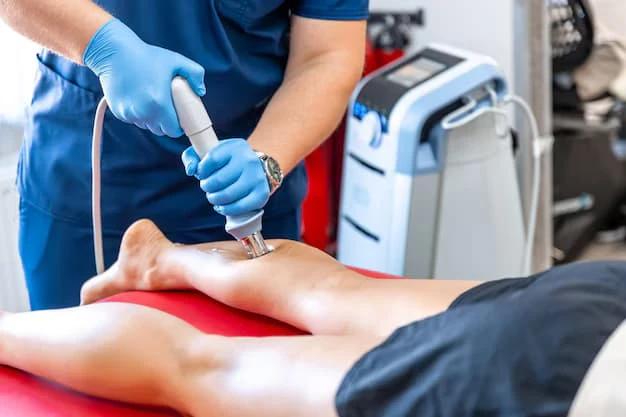
Shockwave therapy is a treatment that uses high-energy sound waves to stimulate healing in injured or painful areas of the body. These sound waves are delivered directly to targeted tissues such as muscles, tendons, ligaments, and joints. The therapy does not involve injections or surgery, making it an appealing choice for people who prefer conservative care.
The sound waves create controlled micro-stimulation in the affected area. This process encourages the body to increase blood flow, activate cellular repair, and break down scar tissue. Over time, this leads to reduced pain, improved movement, and stronger tissue healing.
Many people turn to shockwave therapy because it focuses on treating the root cause of pain rather than simply masking symptoms.
How Shockwave Therapy Supports Natural Healing
The body has an incredible ability to heal itself, but sometimes injuries linger because circulation is limited or tissue repair has slowed. Shockwave therapy works by reactivating the healing process where it has stalled.
Improving Blood Flow and Circulation
Healthy blood flow is essential for healing. It delivers oxygen and nutrients to damaged tissues while removing waste products that slow recovery. Shockwave therapy stimulates circulation in areas that may have poor blood supply, such as tendons and ligaments.
As circulation improves, the body becomes better equipped to repair damaged tissue. This natural response helps reduce inflammation and supports long-term healing rather than temporary relief.
Stimulating Cellular Repair
Shockwave therapy encourages the production of growth factors that play a key role in tissue regeneration. These growth factors help repair micro-tears and strengthen weakened tissues.
By stimulating cells at a deeper level, shockwave therapy helps the body rebuild itself more efficiently. This is why many people experience continued improvement even after a series of treatments is complete.
Conditions Commonly Treated With Shockwave Therapy
Shockwave therapy is used for a wide range of musculoskeletal conditions, especially those that have not responded well to rest or other conservative treatments. It is commonly used to address chronic pain and repetitive stress injuries.
Some of the most common conditions include tendon pain, heel discomfort, shoulder stiffness, hip pain, knee issues, and muscle tightness. Shockwave therapy is especially helpful for conditions caused by overuse or long-term strain.
For individuals dealing with ongoing discomfort that limits daily activities, shockwave therapy offers a non-surgical option that supports lasting improvement.
Why Shockwave Therapy Is Considered Non-Invasive
One of the key benefits of shockwave therapy is that it does not require incisions, injections, or anesthesia. Treatments are performed externally, with sound waves applied directly to the skin over the affected area.
This non-invasive approach reduces risks and eliminates long recovery periods. Most people are able to return to normal activities shortly after treatment, making it ideal for those with busy schedules.
Because it works with the body’s natural healing mechanisms, shockwave therapy fits well into a wellness-focused approach to care.
Shockwave Therapy for Chronic Pain Relief
Chronic pain often develops when tissues fail to heal properly. Scar tissue, reduced circulation, and nerve sensitivity can all contribute to ongoing discomfort. Shockwave therapy addresses these issues at their source.
Breaking Down Scar Tissue
Scar tissue can restrict movement and place extra stress on surrounding areas. Shockwave therapy helps break down unhealthy scar tissue, allowing new, healthier tissue to form.
As tissue quality improves, movement becomes smoother and pain levels decrease. This process supports long-term relief rather than short-term symptom management.
Reducing Pain Sensitivity
Shockwave therapy also helps calm pain signals by stimulating nerve endings in a controlled way. This can reduce pain sensitivity over time and improve comfort during movement.
Many people notice that everyday activities feel easier as pain gradually decreases with consistent care.
Supporting Faster Recovery for Active Individuals
Active individuals often place repeated stress on their muscles and joints. Whether from sports, exercise, or physically demanding work, this stress can slow recovery if not addressed properly.
Shockwave therapy supports faster recovery by improving tissue resilience and flexibility. It helps active people return to movement with greater confidence and reduced risk of re-injury.
If staying active is important, shockwave therapy can be a valuable tool for maintaining performance and preventing setbacks.
Shockwave Therapy and Long-Term Mobility
Mobility is essential for quality of life, especially as the body ages. Stiff joints and tight tissues can limit movement and independence. Shockwave therapy helps maintain mobility by improving tissue elasticity and joint function.
Over time, better mobility reduces strain on other parts of the body. This helps prevent compensation patterns that can lead to additional discomfort.
Choosing therapies that support long-term movement can make a meaningful difference in overall health and comfort.
What to Expect During Shockwave Therapy Sessions
A shockwave therapy session typically begins with an evaluation to identify the exact area needing treatment. The therapy device is then applied to the skin, delivering sound waves to the targeted tissue.
Sessions are relatively short and do not require downtime afterward. Some people experience mild soreness, which is often a sign that the healing process has been activated.
Results vary depending on the condition, but many individuals notice gradual improvement over several sessions. The goal is steady, natural healing rather than instant fixes.
If pain has been holding you back, exploring shockwave therapy could be an important step toward recovery.
Combining Shockwave Therapy With Other Natural Approaches
Shockwave therapy works well alongside other natural care methods such as movement therapy, stretching, and lifestyle changes. When combined with proper guidance, it supports a well-rounded recovery plan.
Healthy habits such as staying active, managing stress, and maintaining good posture further enhance the benefits of shockwave therapy. This integrated approach helps reinforce results and supports lasting wellness.
Taking a proactive role in healing often leads to better and more sustainable outcomes.
A Natural Path Toward Lasting Healing
Pain does not have to control daily life. Shockwave Therapy offers a natural and effective way to accelerate healing by stimulating the body’s own repair systems. By improving circulation, supporting tissue regeneration, and reducing pain sensitivity, it helps people move forward with confidence.
For those seeking a modern, non-invasive solution to chronic pain and slow-healing injuries, Miami Chiropractic offers shockwave therapy as part of a personalized care approach. With a focus on natural healing and long-term results, Miami Chiropractic encourages individuals to take the next step toward improved comfort, mobility, and overall well-being today.























Sign in to leave a comment.