
Quick Overview
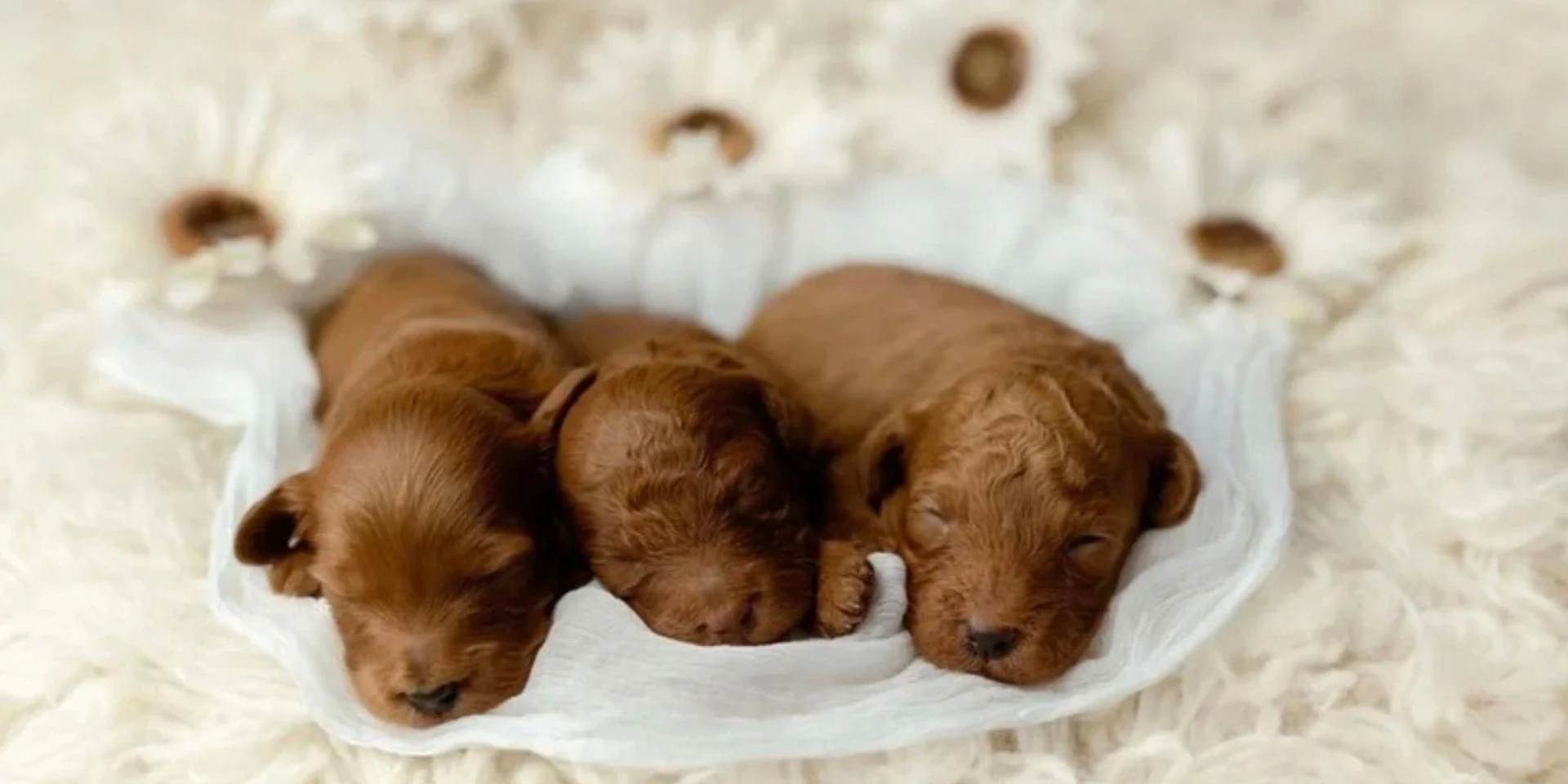
When a puppy leaves a toy Goldendoodle breeder, ongoing care is essential to ensure their health, happiness, and social development. New owners should continue the routines established by the breeder, including proper nutrition, grooming, socialization, and training. Toy Goldendoodles benefit from consistent schedules, safe exploration, and mental enrichment to reinforce confidence and adaptability. Monitoring health, maintaining vaccinations, and establishing a bond through positive reinforcement are key. With careful attention, owners can help their puppy transition smoothly to a new home, building on the early socialization, structure, and service-dog style preparation provided by responsible breeders.
Table of Contents
- Understanding Toy Size Goldendoodles
- Nutrition and Feeding Practices
- Grooming and Coat Maintenance
- Socialization and Environment
- Training and Mental Stimulation
- Health Care and Veterinary Needs
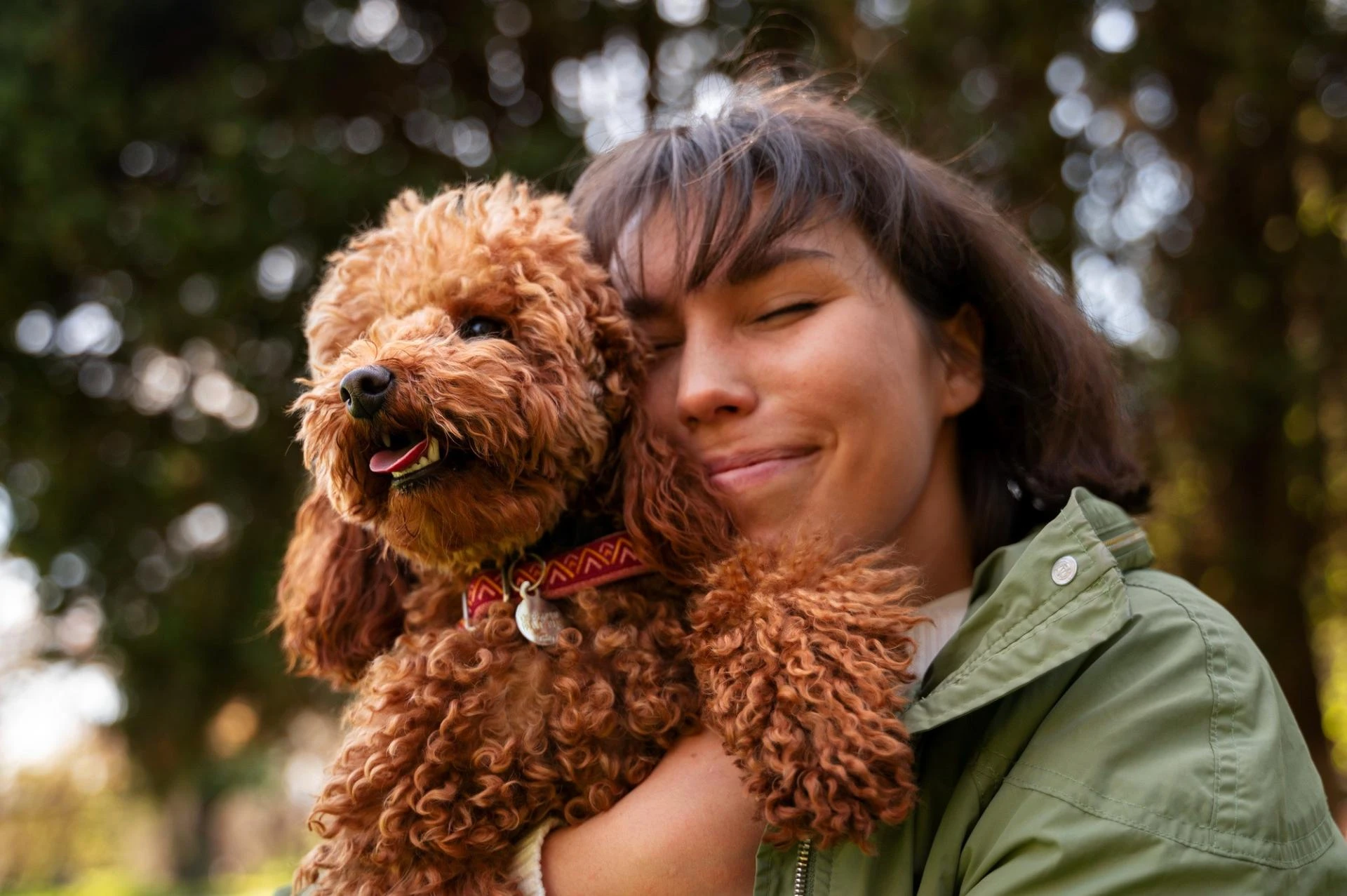
- Bonding and Emotional Well-Being
- Conclusion
- FAQs
Understanding Toy Size Goldendoodles
Toy Goldendoodles are a smaller variation of the Goldendoodle breed, combining the traits of Poodles and Golden Retrievers in a compact size. Their smaller stature requires careful monitoring, as they can be more fragile than standard or miniature Goldendoodles. Continuing care after leaving the breeder involves understanding the puppy’s unique needs, including safe handling, avoiding high-impact activities, and ensuring age-appropriate exercise. These puppies are intelligent, social, and affectionate, making early guidance crucial for confidence and long-term well-being.
Nutrition and Feeding Practices
A consistent diet is critical for toy size Goldendoodles. Many breeders provide guidance on the type and quantity of food that supports growth and immune health. Key points include:
- Feeding high-quality puppy food formulated for small breeds
- Dividing meals into 3–4 portions daily for young puppies
- Avoiding table scraps and harmful human foods
- Providing clean, filtered water at all times
Maintaining the diet recommended by the breeder ensures smooth growth, a healthy coat, and overall vitality.
Grooming and Coat Maintenance
Toy Goldendoodles often have curly or wavy coats that require regular grooming to prevent mats and tangles. Routine care includes:
- Brushing at least 2–3 times per week
- Bathing with gentle, dog-safe shampoo as needed
- Trimming around eyes, ears, and paws for hygiene
- Occasional professional grooming every 6–12 weeks
Early consistency in grooming helps the puppy remain comfortable and accustomed to handling, which supports long-term coat health.
Socialization and Environment
Continuing socialization after leaving the breeder is vital for developing a well-adjusted adult dog. Puppies benefit from:
- Gradual exposure to new people, pets, and environments
- Safe exploration of household spaces
- Positive experiences with everyday sounds and routines
For toy Goldendoodles, controlled interactions help prevent fear or anxiety and reinforce the confidence built during the breeder’s family-based upbringing.
Training and Mental Stimulation
Training should build on the foundation established by the breeder. Techniques include:
- Using positive reinforcement for commands and desired behavior
- Consistent potty training routines
- Introducing basic obedience skills like sit, stay, and come
- Providing interactive toys and problem-solving activities for mental stimulation
These practices strengthen the bond between owner and puppy and support emotional stability and resilience.
Health Care and Veterinary Needs
After leaving the breeder, maintaining health is essential. This includes:
- Following vaccination schedules and preventative care
- Monitoring growth and weight, especially for small breeds
- Scheduling regular checkups and dental care
- Observing for any signs of illness or behavioral changes
A proactive approach helps ensure that the toy Goldendoodle remains healthy and vibrant.
Bonding and Emotional Well-Being
Forming a strong bond with a new puppy is critical for long-term success. Methods include:
- Daily playtime and gentle handling
- Calm, predictable routines for feeding, sleep, and exercise
- Reward-based guidance and positive reinforcement
Consistency, patience, and affection help the puppy feel secure, confident, and integrated into the household.
Concluding thoughts
Continuing care for a toy Goldendoodle after leaving a breeder requires attention to nutrition, grooming, training, socialization, and health monitoring. Building on the structured foundation provided by a responsible breeder ensures the puppy grows into a confident, healthy, and well-adjusted adult dog. With regular care and positive routines, new owners can enjoy a lifelong bond with their small, intelligent, and affectionate companion.
Breeders like Windsong Doodles, a Goldendoodle breeder in Southern California, raise puppies inside the family home and follow a service-dog style curriculum to foster strong immune systems, adaptability, confidence, and resilience, helping puppies thrive in their new homes.
FAQs
1. How often should a toy Goldendoodle be groomed at home?
Toy Goldendoodles should be brushed 2–3 times per week to prevent mats and tangles. Occasional professional grooming every 6–12 weeks helps maintain coat health and hygiene.
2. What type of food is best for a toy Goldendoodle?
High-quality puppy food formulated for small breeds is recommended. Meals should be divided into 3–4 portions daily, with access to fresh, filtered water.
3. How can new owners continue socialization?
Gradual exposure to new people, pets, and environments, combined with positive reinforcement, helps build confidence and prevents fear or anxiety.
4. Are toy Goldendoodles suitable for apartment living?
Yes. Their small size and adaptable nature make them suitable for smaller spaces, provided they receive regular exercise, mental stimulation, and social interaction.
5. How should training continue after leaving the breeder?
Owners should maintain consistent obedience routines using positive reinforcement, continue potty training, and provide interactive toys to stimulate mental development.
6. What health care is essential for toy Goldendoodles?
Vaccinations, regular veterinary checkups, dental care, and monitoring growth and behavior are essential for overall health and long-term well-being.
Author Bio
This article was written by a canine care and breeding expert with experience in puppy development, small breed management, and family-raised Goldendoodle programs. The author provides practical guidance for raising healthy, confident, and well-adjusted dogs.
Business Details
Windsong Doodles
Goldendoodle Breeder – Southern California
Website: http://windsongdoodles.com/























Sign in to leave a comment.