

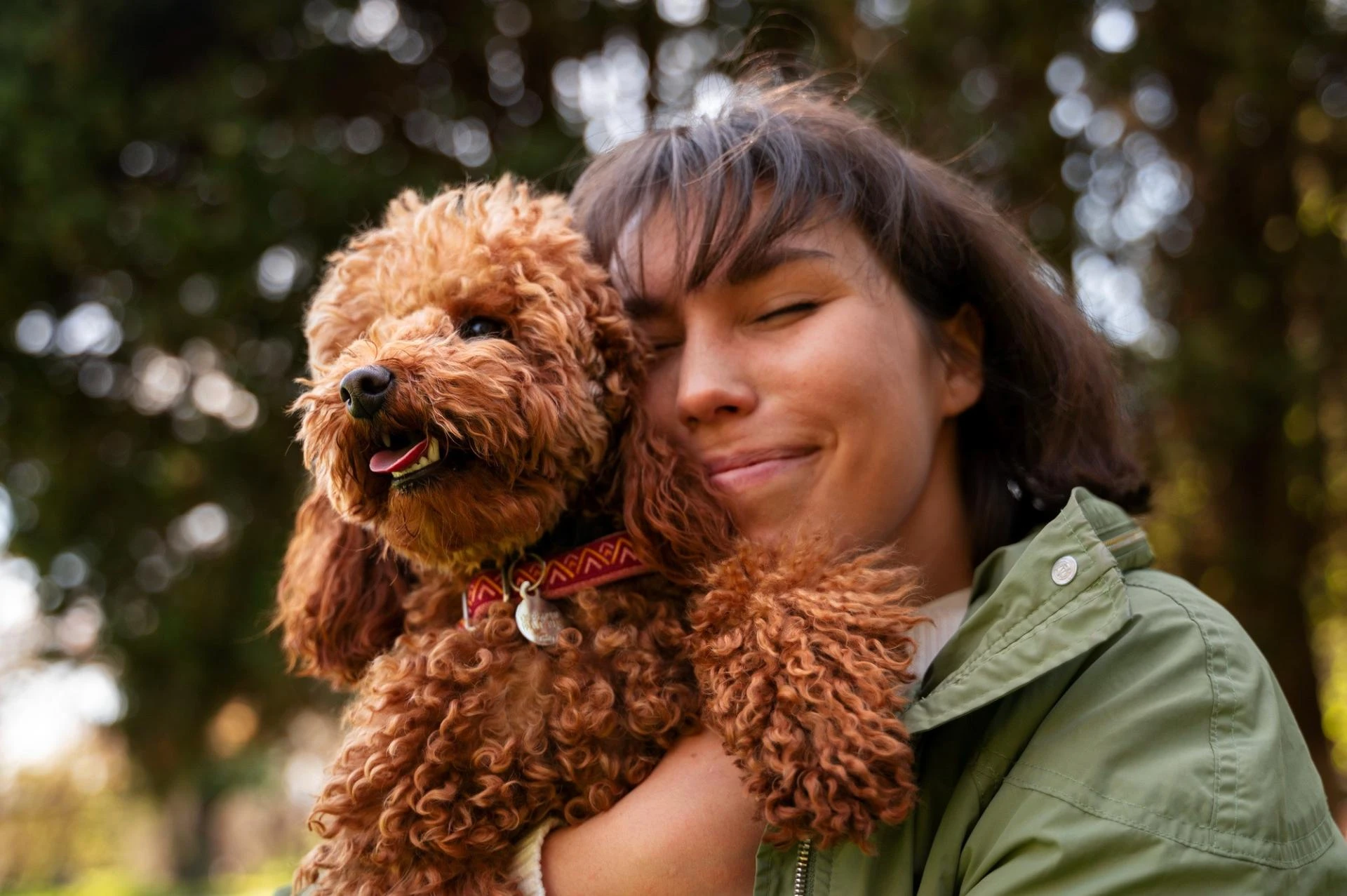
A service dog goldendoodle is often chosen for its intelligence, calm temperament, and ability to assist individuals with various needs. These dogs are trained to perform specific tasks that improve the quality of life for their handlers. Goldendoodles are popular as service dogs because they combine the friendly and social traits of golden retrievers with the intelligence and focus of poodles. Families and professionals, including trained goldendoodle handlers, value these dogs for their reliability, versatility, and adaptability in diverse settings.
Quick Overview
Service dogs help individuals with physical, emotional, or developmental needs. Goldendoodles are especially suited to this work because they are easy to train, gentle, and social. Sources have stated that dogs used for service or therapy work can reduce stress and anxiety in their handlers. The right training ensures that the dog can perform tasks consistently, respond calmly in public, and develop a strong bond with the handler. Early socialization and obedience training play a crucial role in preparing puppies for service work.
Table of Contents
- Understanding the Role of a Service Dog
- Key Components of Service Training
- Basic Obedience Commands
- Socialization and Exposure
- Task Training and Special Skills
- Desensitization and Stress Control
- Positive Reinforcement and Practice
- Certification and Registration
- Final Thoughts
- FAQs
Understanding the Role of a Service Dog
Service dogs are professionally trained to help assist individuals with disabilities or various other types of specific needs. They are trained to perform tasks that mitigate the challenges their handler faces daily. For example, a goldendoodle might guide a visually impaired person, alert a person with hearing difficulties, retrieve dropped items, or provide physical support. The goal is to help the individual gain independence while ensuring safety and emotional stability.
Key Components of Service Training
Training a service dog involves multiple steps to ensure reliability, confidence, and skill. Puppies undergo basic obedience, socialization, task training, desensitization, and repeated practice. Each step is important to create a dog that can focus, respond to commands, and remain calm in various situations.
Basic Obedience Commands
Service dogs start with foundational commands like sit, stay, come, and down. These commands are essential for safety and communication between the handler and the dog. A well-trained goldendoodle can respond to these commands quickly, even in crowded or distracting environments.
Socialization and Exposure
Proper socialization is key to raising a service dog. Puppies are exposed to different environments, people, and other animals. This exposure reduces anxiety, builds confidence, and prepares the dog for real-life situations. A socialized goldendoodle is more adaptable, friendly, and responsive to its handler.
Task Training and Special Skills
Service dogs learn specific tasks based on the needs of their handler. This may include retrieving items, guiding individuals, opening doors, or providing emotional support. Task training is customized to ensure the dog can perform reliably and safely in daily life. Consistency in training and patience are required during this phase.
Desensitization and Stress Control
Service dogs must remain calm in stressful or busy environments. Desensitization involves gradually exposing the dog to sights, sounds, and situations they may encounter. Teaching a goldendoodle to control stress ensures they remain focused and reliable even in crowded or unpredictable settings.
Positive Reinforcement and Practice
Training uses positive reinforcement techniques such as treats, praise, and play. This encourages puppies to repeat desirable behaviors and builds trust with their handler. Regular practice across multiple environments solidifies skills and ensures that the dog performs tasks confidently and consistently.
Certification and Registration
After completing training, service dogs can be registered or certified through recognized organizations. This process may involve assessments to ensure the dog meets task and behavior standards. Certified service dogs gain legal recognition and can accompany their handlers in public spaces where pets are not typically allowed.
Final Thoughts
Goldendoodles are valued as service dogs because of their intelligence, gentle temperament, and trainability. Proper training ensures that they can perform life-improving tasks reliably and remain calm in various environments. Early socialization, obedience, task training, and positive reinforcement are key to developing a capable service dog.
Windsong Doodles is a goldendoodle breeder in Southern California that raises puppies with strong temperaments and socialization skills. Families interested in a trained goldendoodle in Bay Area or surrounding regions are encouraged to contact them today to learn more about upcoming litters.
FAQs
1. What makes a goldendoodle suitable as a service dog?
Goldendoodles are intelligent, friendly, and adaptable, making them capable of learning and performing tasks reliably.
2. How long does service dog training take?
Training can take several months to over a year, depending on the complexity of tasks and the dog’s temperament.
3. What types of tasks can a service dog perform?
Tasks may include guiding, retrieving items, alerting to sounds, providing physical support, and offering emotional assistance.
4. Can any goldendoodle become a service dog?
Not all puppies are suited for service work. Temperament, focus, and socialization play major roles in success.
5. How is positive reinforcement used in training?
Treats, praise, and play reward desired behaviors, encouraging the dog to repeat them and build trust with their handler.
6. Are service dogs legally recognized?
Yes. Certified service dogs have legal rights to accompany their handlers in public spaces under the Americans with Disabilities Act.






















Sign in to leave a comment.