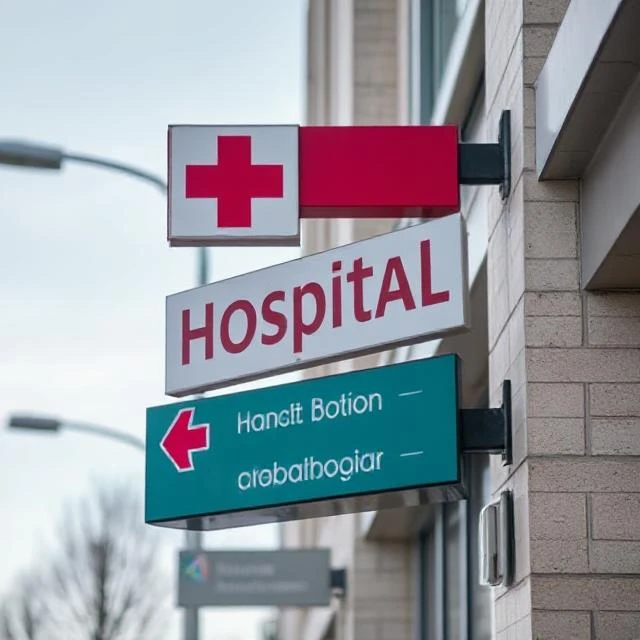

Walk into a hospital and notice the signs. Some calm your nerves. Some guide you like a friend. That’s the power of hospital signage.
It’s more than just directions on a wall. Good signage transforms the hospital experience—for patients, visitors, and even staff. It reduces anxiety, saves time, and improves safety. In this blog, we’ll uncover how well-designed hospital signage can upgrade healthcare spaces in powerful ways.
1. First Impressions Matter
The moment someone enters a hospital, they’re usually feeling overwhelmed. A clear, welcoming sign at the entrance sets the tone. It instantly answers questions like:
- Am I in the right place?
- Where should I go next?
A hospital’s exterior signage helps create trust. It speaks of professionalism. It shows that the facility cares about every detail, even the small ones. That impression stays with people long after they leave.
2. Reduce Stress with Wayfinding
Hospitals can feel like mazes. Patients and families are often anxious or in a hurry. Clear hospital signage makes navigation simple.
Wayfinding signs (like arrows, maps, and room numbers) guide people to:
- Emergency rooms
- ICU
- Radiology
- Wards
- Cafeterias
These signs reduce confusion. They minimise the need to ask staff for directions, which also improves efficiency. Less stress equals better patient experience.
3. Boost Staff Efficiency
Hospital staff are constantly on the move. Nurses, doctors, porters—all depend on quick, clear communication.
When signage clearly marks:
- Medication rooms
- Utility areas
- Staff-only zones
- It prevents missteps.
This saves time and improves response during emergencies. It also lowers the chances of medical errors. Hospital signage isn’t just about patients—it empowers staff too.
4. Enhancing Patient Safety
In healthcare, every second counts. Signage that’s easy to read and well-placed can prevent accidents and injuries.
Think of signs like:
- “Wet floor”
- “No entry – Radiology in use”
- “Oxygen in use – No smoking”
These messages protect patients, visitors, and staff. They also help the hospital meet safety regulations and avoid legal trouble.
Good signage is good risk management.
5. Accessibility Is Non-Negotiable
Inclusive design matters. Hospital signage should cater to all—regardless of age, ability, or background.
That means using:
- Braille signs for the visually impaired
- Icons and colour-coded directions for non-English speakers
- Large fonts for the elderly
- Audio announcements where needed
Hospitals are for everyone. Signage should reflect that.
6. Brand Identity in Healthcare
Yes, even hospitals have brands. Signage is part of that brand.
When all signs follow a colour palette, font style, and design language, the space feels cohesive. It builds trust and leaves a lasting impression.
A children’s hospital may use playful fonts and colours to comfort kids. A private clinic may choose sleek, minimal signs for a premium feel.
Visual language is powerful—even in healthcare.
7. Emergency Preparedness Starts with Signage
In an emergency, people don’t have time to think. They follow signs.
Clear emergency exit signs, fire extinguisher labels, and evacuation routes can save lives. These should be illuminated, strategically placed, and regularly maintained.
Hospital signage isn’t just nice to have—it’s a lifesaver in critical moments.
8. Better Visitor Experience
Not all hospital visitors are there for treatment. Some come to support loved ones. Their experience matters too.
When signs guide them to the right ward, waiting area, or café—they feel considered.
It can be emotionally taxing to be in a hospital. Easy-to-follow signs reduce mental load. They allow visitors to focus on what truly matters—being there for someone.
9. Legal Compliance and Accreditation
Many healthcare standards require specific signage. Fire exits, safety instructions, sanitation protocols—these must be displayed clearly.
Accreditation bodies like the Australian Council on Healthcare Standards (ACHS) assess signage as part of their safety checks.
Well-maintained signs aren’t just helpful—they’re legally required.
10. Digital Signage: The Future Is Here
Modern hospitals are adopting digital signage. These screens offer real-time updates and dynamic content.
They can:
- Display wait times
- Share health tips
- Direct foot traffic
- Alert during emergencies
Digital signs are also easier to update and more eco-friendly. They reduce the need for paper and plastic boards.
Hospitals that use digital signage appear modern, tech-savvy, and efficient.
11. Temporary Signage for Events and Construction
Hospitals are always evolving. New wings open. Renovations happen. Vaccination drives take place.
Temporary signs help during these transitions. They prevent chaos by offering clear instructions about changes:
- “Outpatient moved to Level 3”
- “Vaccination here”
- “Lift out of service—use stairs”
These signs show that the hospital communicates clearly, even when things are changing.
12. Sustainability in Signage
Eco-conscious hospitals are exploring sustainable signage options.
Using recyclable materials, digital signs, and energy-efficient lighting all contribute to greener healthcare spaces.
Hospital signage can be functional and environmentally friendly. It sends a positive message to the community and aligns with modern sustainability goals.
13. Multilingual Signage for Diverse Populations
Australia is culturally diverse. A large portion of patients may not be fluent in English.
Multilingual signage is respectful and practical. It can prevent serious misunderstandings in treatment or emergencies.
Simple translations and culturally aware icons can make a huge difference in accessibility.
Final Thoughts: Signage Is Silent Support
Hospital signage is like silent staff. Always present. Always guiding. Always supporting.
It can reduce anxiety, improve safety, and increase efficiency in every corner of the hospital. From the front gate to the ICU, every sign has a job.
As healthcare evolves, signage must evolve too. Whether it’s digital, multilingual, or designed for children—smart signage makes a hospital not just a place to heal, but a place that feels healing




























Sign in to leave a comment.