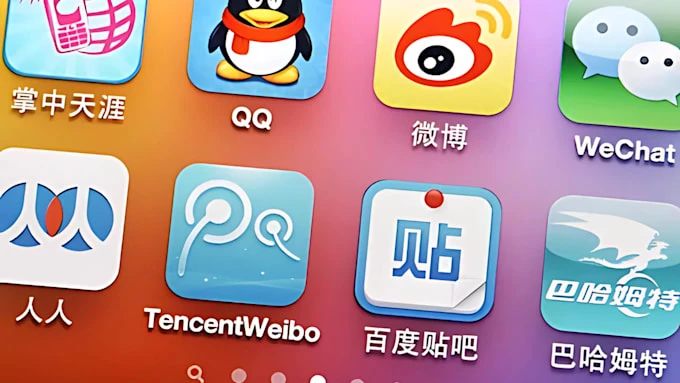

The majority of the more than 1 billion people who live in China utilize social media on a regular basis. Their platforms, however, differ. They don't use Instagram, Twitter, or Facebook. They make use of programs such as Douyin, Xiaohongshu, Weibo, and WeChat.
If you want your brand to speak to Chinese users, you need more than just good content. That’s where Chinese Marketing translation Company come in.
These services give your postings a more localized, approachable, and transparent tone. People will feel that your brand was created specifically for them if it is done correctly.
What Makes Chinese Social Media So Unique?
In China, platforms grow fast. Users share product reviews, talk with friends, shop, and even book flights, all inside one app.
WeChat, for example, is more than a chat app. People use it for news, payments, booking taxis, and joining brand groups. Weibo is used like a public journal. Xiaohongshu is filled with product photos and lifestyle posts.
Each platform has its style. Each one has its rules. So your post for WeChat might not work well on Weibo. You must rewrite it, not just translate it.
Social Trends Move Fast, So Should Your Words
In China, internet trends change daily. What’s popular today may be old tomorrow. If your posts don’t match the latest style, people may scroll past. Your words must be short, warm, and sometimes funny. But this must be done with care.
That’s where a professional translation company becomes important. Their team knows not only how to change the words but how to match the tone. This helps your content feel fresh, not forced.
One Word Can Change the Meaning
In simplified Chinese, even a single word can carry deep meaning. Some words may sound right but feel too formal. Others may look fine but mean something rude in a casual post. That’s why using automatic tools or copying phrases from the web can be risky.
A translator who works with social media knows the soft lines. They avoid stiff phrases and choose natural ones.
Hashtags, Captions, and Calls to Action, Make Them Local
Social media is short and fast. Users scroll quickly. They stop only if the first words are catchy. So your hashtags, video captions, and buy-now buttons must be sharp and local.
For example:
- “Buy now!” in English sounds okay.
- But in Chinese, a smoother version could be “立刻拥有” which means “Own it now.” It feels more direct and stylish.
These small changes matter. They affect how many clicks you get and how people talk about your brand.
Images Speak Loudest, But Text Must Match
Your visuals might be stunning. But if the text on the image is still in English, many users won’t read it. That breaks the flow. You need to rewrite:
- Captions inside the image
- Product names on banners
- Sale lines on posters
A professional translation company doesn’t just translate and stop. They work with your designers or marketers. They suggest better image lines. They check how the Chinese text looks in the design. This makes your ad or post feel natural, not copy-pasted.
Local Holidays Bring Big Business, If You Speak Right
China celebrates many local festivals like:
- Lunar New Year
- Mid-Autumn Festival
- Singles’ Day (Biggest shopping event)
These are the times when people buy a lot. But brands must greet users properly during these days. And the words must match the feeling of the moment. Good translators help you write these posts right. They also time them well, as each region may celebrate a little differently.
Influencer Campaigns Need Perfect Text Too
Many global brands work with Chinese influencers (also called KOLs, Key Opinion Leaders). They promote your product on Weibo, Douyin, or Xiaohongshu. But your message must match their voice. If it sounds like a direct translation, their fans will know.
A professional translation company helps shape your script or pitch in the way that matches the influencer’s tone. This way, the message feels personal. Not like an ad.
Trust Grows When Support Speaks the Same Language
After people see your post, they may message your brand. They might ask:
- Where can I buy this?
- How much is shipping?
- Is this safe for kids?
If your reply comes in English or in rough Chinese, they may not trust you. You need a native-level support message. Quick, soft, and kind. This is why many brands also get their chat replies, FAQ pages, and auto messages translated properly. It keeps the tone clear and the trust strong.
Mistakes on Social Media Are Public
A mistake in a brochure might go unnoticed. A mistake on social media? It can go viral. Wrong word choices or poorly translated jokes can lead to people laughing at your brand. Or worse, getting offended.
That’s why brands must not rush social media content. Every line must be reviewed. Every slang must be checked. Working with trusted simplified Chinese translation services saves you from these problems. They think before they write. And they help you speak like a local, not a tourist.
China’s Mobile-First Market Leaves No Room for Error
Most Chinese users use mobile phones. That means your social posts must fit on small screens. If your translated message is too long, it gets cut. If it’s too short and unclear, it gets skipped. Translators who work with mobile content know how to shape messages that fit the screen and the mind. They use short lines, active words, and easy terms. They make sure each message lands fast and stays clear.
Final Words!
Unlocking China's social media is not about just translating words. It’s about shaping content that feels local, fresh, and true. When you use the right language, in the right tone, on the right platform, people connect. They follow, comment, and buy. By investing in smart, simplified Chinese content, your brand doesn’t just enter China. It belongs there.























Sign in to leave a comment.