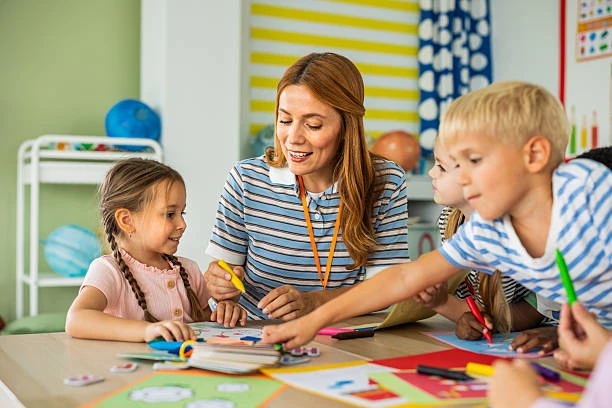

In quality childcare centres, learning does not only happen during structured lessons. Many of the most valuable skills children develop come from simple daily activities that are part of their everyday routine. From packing away toys to sharing during group play, these small moments help children build important life skills that support their growth and confidence.
In early childhood education, these everyday experiences are carefully guided by educators so that children can learn through play, interaction, and exploration. Activities that may appear small can play a big role in shaping how children think, communicate, and work with others.
This article explains how simple daily activities in childcare services help young children build strong life skills that benefit them throughout their lives.

The Role of Daily Activities in Early Childhood Learning
Young children learn best when they are actively involved in what they are doing. Everyday routines in early learning centres create opportunities for children to practice new skills in a natural and supportive environment.
Daily activities such as:
- Morning greetings
- Group play
- Story time
- Outdoor exploration
- Snack and meal routines
- Pack-up time
These moments help children learn responsibility, communication, patience, and independence. Because these activities happen every day, children gain confidence through repetition and familiarity.
In a supportive childcare environment, educators gently guide children while allowing them to try tasks on their own. This balance helps children become capable and independent learners.
Learning Independence through Simple Tasks
One of the first life skills children develop in early childhood education programs is independence. Small tasks during the day encourage children to take responsibility for them.
For example, children may:
- Put their bags away when they arrive
- Wash their hands before meals
- Help tidy up after activities
- Choose learning materials independently
These simple tasks allow children to feel capable and proud of their achievements. Over time, children become more confident in completing tasks without assistance.
Independence also supports school readiness. When children learn to manage their belongings and follow daily routines in long day care programs, they become better prepared for the structure of primary school.
Building Social Skills through Group Play
Social interaction is an important part of learning in childcare centres. Group activities give children opportunities to communicate, cooperate, and understand the feelings of others.
During playtime, children learn how to:
- Share toys and materials
- Take turns during games
- Listen to others
- Work together to solve problems
Educators play a key role in guiding these interactions. They help children understand fairness, kindness, and respect. Over time, these daily experiences support the development of strong friendships.
Through regular social interaction, children also develop confidence when speaking with others, which supports their communication skills.
Developing Communication Skills
Daily conversations and group activities help children improve their language and communication skills. Story time, singing songs, and discussing daily experiences encourage children to express their thoughts and ideas.
In early learning environments, educators ask open questions that help children think and respond in their own words. For example:
- “What do you think will happen next in the story?”
- “How did you build that tower?”
- “What colour did you choose and why?”
These conversations support vocabulary growth and encourage children to feel comfortable sharing their ideas.
Communication skills learned during early childhood play an important role in later learning, helping children express their needs, ask questions, and build relationships.
Learning Responsibility and Routine
Daily routines provide structure and help children understand expectations. When children participate in routines such as tidying up, setting up activities, or helping during meal time, they begin to understand responsibility.
For example, childcare services often encourage children to:
- Pack away toys after use
- Place their dishes in the correct area after eating
- Help prepare learning spaces for group activities
These tasks teach children that everyone contributes to the group environment. They also help children learn time awareness and organisation.
Over time, routines help children feel safe and secure because they know what to expect throughout the day.
Problem Solving Through Play
Play-based learning is a core part of early childhood education. Many daily activities encourage children to think, experiment, and solve problems.
For example:
- Building with blocks teaches balance and structure
- Puzzles develop logical thinking
- Creative play encourages imagination
- Outdoor play promotes exploration
When children face small challenges during play, they learn how to think of solutions. Educators support this process by asking guiding questions instead of providing immediate answers.
This approach helps children develop resilience and confidence in their abilities.
Physical Development through Movement
Daily activities also support children's physical growth. Active play allows children to build strength, coordination, and balance.
Outdoor environments in childcare centres provide space for children to:
- Run and climb
- Ride bikes or scooters
- Play ball games
- Explore nature
These activities help develop both fine and gross motor skills. Fine motor skills include tasks such as drawing, cutting, and building with small objects, while gross motor skills involve larger body movements.
Physical activity is important not only for health but also for improving concentration and focus during learning activities.
Emotional Development in a Supportive Environment
Daily interactions in early learning centres help children recognise and understand their emotions. Children learn how to manage feelings such as excitement, frustration, or disappointment.
Educators guide children by:
- Helping them express emotions using words
- Encouraging empathy and kindness
- Teaching calming strategies when children feel upset
These experiences help children develop emotional awareness and self-regulation.
Over time, children become more capable of managing challenges and interacting positively with others.
Creativity and Curiosity in Everyday Learning
Children are naturally curious, and everyday activities encourage them to ask questions and discover new ideas. Creative activities such as drawing, music, storytelling, and imaginative play allow children to express themselves freely.
In childcare programs, educators often create learning spaces where children can experiment with different materials and ideas.
These creative experiences help children:
- Develop imagination
- Build confidence in their ideas
- Think creatively when solving problems
Encouraging curiosity at a young age supports a lifelong love of learning.
Preparing Children for Future Learning
The life skills developed through daily activities form the foundation for future learning. When children participate in structured routines and engaging play experiences, they build abilities that support their transition to school.
Skills developed in early childhood education settings include:
- Listening and following instructions
- Working independently and in groups
- Managing personal belongings
- Communicating ideas clearly
These abilities help children feel prepared and confident when they begin formal schooling.
The goal of early learning environments is not only academic development but also supporting the whole child.
The Importance of Supportive Educators
Educators play a vital role in guiding daily learning experiences. By observing children and understanding their interests, educators can create activities that support development while keeping learning enjoyable.
In quality childcare environments, educators provide encouragement, guidance, and reassurance. They allow children to try new tasks while offering support when needed.
This supportive approach helps children build confidence and develop a positive attitude towards learning.
Why Everyday Moments Matter
Small daily activities may seem simple, but they play a powerful role in shaping children's development. Through everyday routines, play, and social interaction, children build the life skills they will carry into school and beyond.
From learning how to share with friends to developing independence during daily routines, these experiences help children grow into confident and capable individuals.
A supportive childcare environment provides children with opportunities to learn through meaningful experiences. By participating in everyday activities, children develop communication, responsibility, creativity, and resilience.
These early life skills form the foundation for lifelong learning and success.




























Sign in to leave a comment.