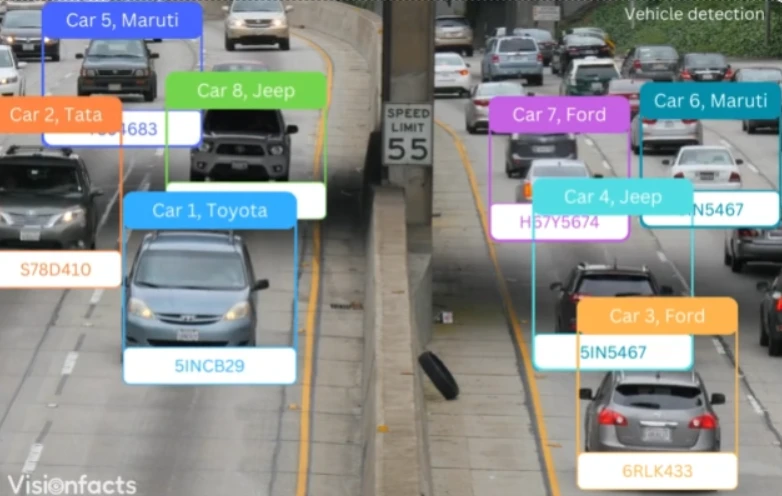

Rapid urbanization has significantly increased the number of vehicles on roads worldwide. As cities expand and populations grow, traffic congestion has become one of the most pressing challenges faced by urban planners and transportation authorities. Long traffic delays not only waste valuable time but also contribute to fuel consumption, air pollution, and road safety risks.
To address these issues, modern smart cities are adopting advanced technologies powered by artificial intelligence and computer vision. One of the most effective solutions being implemented today is AI vehicle detection software. This innovative technology helps cities monitor vehicle movement, analyze traffic patterns, and optimize road management systems in real time.
By leveraging intelligent video analytics and automated vehicle monitoring, AI vehicle detection software enables smart cities to reduce congestion, improve traffic flow, and enhance urban mobility.
Understanding AI Vehicle Detection Software
AI vehicle detection software uses artificial intelligence, machine learning, and computer vision technologies to identify and track vehicles from surveillance cameras and traffic monitoring systems. The software analyzes video footage to detect different types of vehicles such as cars, trucks, buses, motorcycles, and delivery vans.
Unlike traditional traffic monitoring methods that rely on manual observation or static sensors, AI-powered systems can process large volumes of visual data in real time. This enables authorities to gain accurate insights into traffic flow, vehicle density, and road usage patterns.
By continuously monitoring roads and intersections, AI vehicle detection software helps city officials make data-driven decisions that improve traffic management and reduce congestion.
Real-Time Traffic Monitoring and Analysis
One of the key advantages of AI vehicle detection software is its ability to monitor traffic conditions in real time. Cameras installed at intersections, highways, and busy roadways capture video footage, which is then analyzed by AI algorithms.
These systems can detect vehicle counts, identify congestion hotspots, and track traffic flow throughout the city. Traffic control centers receive live data that helps them quickly respond to changing traffic conditions.
For example, if a sudden surge of vehicles is detected in a particular area, authorities can take immediate action by adjusting traffic signals or rerouting vehicles to alternative roads.
Real-time monitoring allows cities to respond proactively rather than reactively, significantly improving traffic flow across urban road networks.
Intelligent Traffic Signal Optimization
Traditional traffic signals operate on fixed timers that may not reflect actual traffic conditions. This often leads to unnecessary waiting times at intersections and contributes to congestion.
AI vehicle detection software enables adaptive traffic signal systems that automatically adjust signal timing based on real-time vehicle data. When traffic volume increases in one direction, the system can extend green light duration to allow more vehicles to pass.
Conversely, when traffic is lighter, the system reduces waiting times for other lanes. This dynamic signal control ensures smoother vehicle movement and minimizes congestion at busy intersections.
Smart cities using AI-powered traffic signals have reported significant reductions in traffic delays and improved travel efficiency.
Incident Detection and Rapid Response
Traffic accidents, vehicle breakdowns, and illegal parking can quickly disrupt traffic flow and create congestion. AI vehicle detection software can automatically identify such incidents and alert traffic management authorities immediately.
By detecting anomalies such as stopped vehicles, collisions, or sudden traffic slowdowns, the system enables faster emergency response. Traffic operators can dispatch assistance teams or redirect vehicles to avoid congestion buildup.
Quick incident detection not only improves road safety but also ensures that traffic disruptions are resolved before they escalate into major traffic jams.
Traffic Data Insights for Urban Planning
Beyond real-time monitoring, AI vehicle detection software provides valuable long-term insights that help urban planners design better transportation infrastructure.
The software collects and analyzes historical traffic data, revealing patterns related to peak traffic hours, high-density routes, and frequently congested intersections. City planners can use these insights to make informed decisions regarding road expansions, public transportation improvements, and infrastructure upgrades.
For example, if data shows consistent congestion in a particular corridor, city authorities may consider adding new lanes, building flyovers, or enhancing public transit systems to reduce vehicle load.
Data-driven urban planning ensures that cities develop transportation networks capable of supporting future growth.
Smart Parking and Reduced Road Congestion
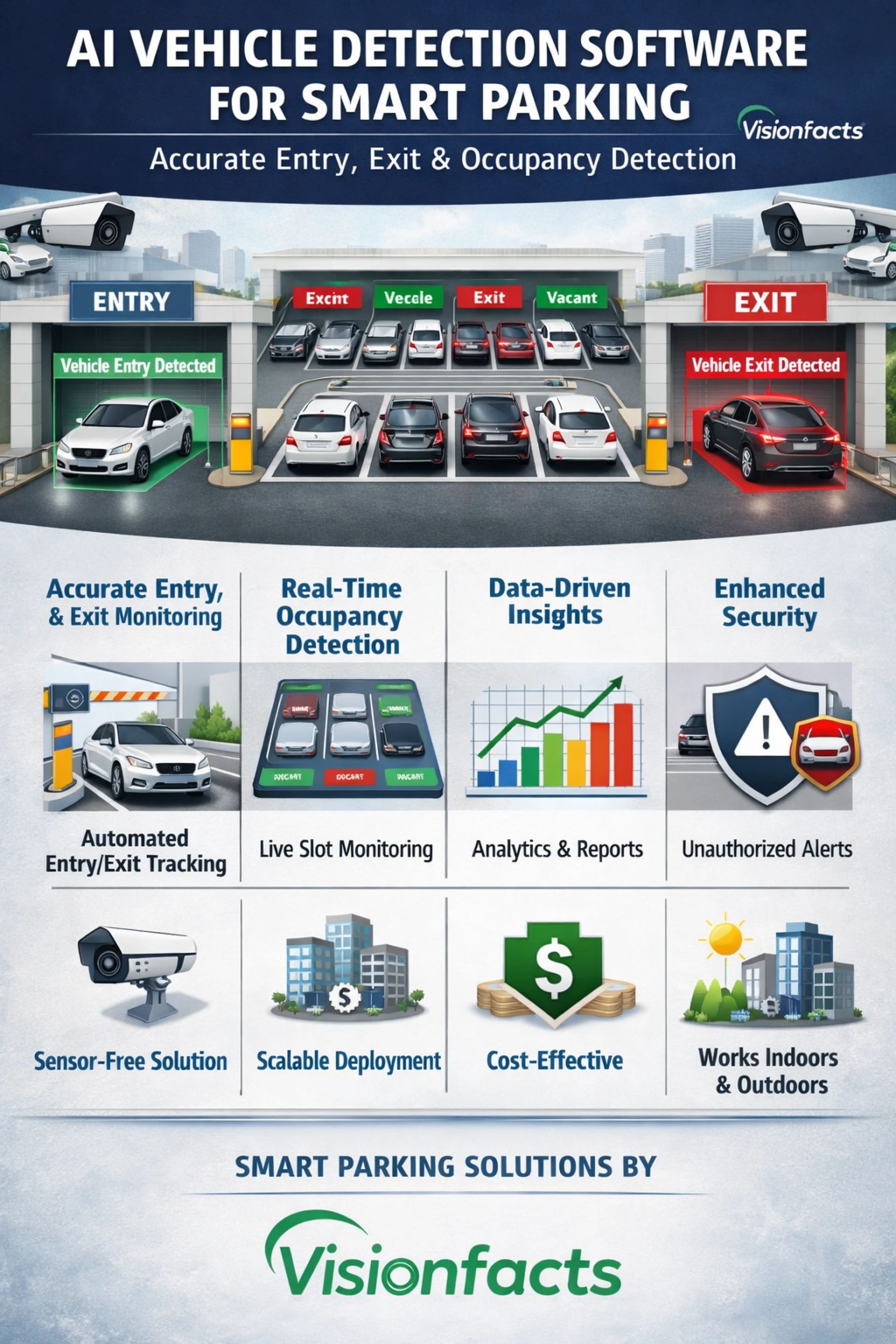
Another major contributor to traffic congestion is drivers searching for parking spaces in crowded urban areas. AI vehicle detection software can integrate with smart parking systems to identify available parking spots in real time.
Drivers can receive parking availability updates through mobile applications or digital signage, reducing the time spent searching for parking. This significantly decreases unnecessary vehicle circulation in busy areas and helps improve overall traffic flow.
Smart parking solutions powered by AI vehicle detection are becoming an essential component of modern smart city infrastructure.
Environmental Benefits of AI Vehicle Detection
Reducing traffic congestion also has a positive impact on the environment. Congested roads lead to increased fuel consumption and higher carbon emissions from vehicles idling in traffic.
By optimizing traffic flow and reducing delays, AI vehicle detection software helps decrease fuel wastage and lower greenhouse gas emissions. Cities implementing intelligent traffic management solutions can significantly improve urban air quality and contribute to sustainable transportation systems.
As governments worldwide focus on sustainability initiatives, AI-driven traffic management solutions are becoming increasingly important.
How Visionfacts Supports AI Vehicle Detection Solutions
Visionfacts provides advanced AI-powered video analytics solutions designed to enhance urban mobility and traffic management systems. With expertise in computer vision and intelligent surveillance technologies, Visionfacts helps smart cities deploy powerful AI vehicle detection software that improves traffic monitoring and reduces congestion.
Visionfacts offers innovative solutions that enable real-time vehicle detection, automated traffic analysis, incident detection, and intelligent traffic management. Their AI-driven systems help city authorities gain accurate insights into traffic patterns, optimize signal operations, and improve road safety.
By integrating cutting-edge AI technology with existing surveillance infrastructure, Visionfacts enables cities to transform their transportation networks into smarter and more efficient mobility ecosystems.
Conclusion
Traffic congestion is a growing challenge for cities worldwide, affecting economic productivity, environmental sustainability, and overall quality of life. Smart cities are increasingly adopting advanced technologies to address these issues and create efficient urban mobility systems.
AI vehicle detection software plays a crucial role in modern traffic management by enabling real-time monitoring, intelligent signal control, incident detection, and data-driven urban planning. These capabilities allow cities to reduce congestion, improve road safety, and optimize transportation infrastructure.
As urban populations continue to grow, implementing intelligent traffic management systems will be essential for maintaining smooth and sustainable transportation networks.
If you are looking to implement advanced traffic monitoring and vehicle detection solutions, conact Visionfacts today to explore innovative AI-powered technologies that can help transform urban mobility and build smarter cities.
FAQs
1. What is AI vehicle detection software?
AI vehicle detection software is a technology that uses artificial intelligence and computer vision to detect, track, and analyze vehicles in real time using surveillance cameras and video analytics systems.
2. How does AI vehicle detection help reduce traffic congestion?
AI vehicle detection helps reduce congestion by monitoring traffic flow, optimizing signal timings, detecting incidents quickly, and providing valuable data for better traffic management decisions.
3. Can AI vehicle detection software identify different vehicle types?
Yes, advanced AI systems can classify different vehicle types such as cars, trucks, buses, motorcycles, and commercial vehicles for more detailed traffic analysis.
4. Is AI vehicle detection used in smart cities?
Yes, many smart cities use AI vehicle detection software to improve traffic monitoring, optimize transportation infrastructure, and enhance road safety.
5. What industries benefit from AI vehicle detection technology?
AI vehicle detection technology is used in industries such as smart cities, transportation, logistics, airports, retail parking management, and security surveillance systems.





























Sign in to leave a comment.