
In an era where brands compete for attention across multiple channels, the value of a well-crafted physical presence at trade shows has only increased. While digital tools shape much of today’s marketing, businesses still rely on industry events to form meaningful, face-to-face connections. At the heart of this experience lies one powerful element: smart exhibition stand design. Far more than a structural setup, an intelligently planned stand becomes a medium for brand storytelling—communicating identity, values, and innovation in a way no other format can match.
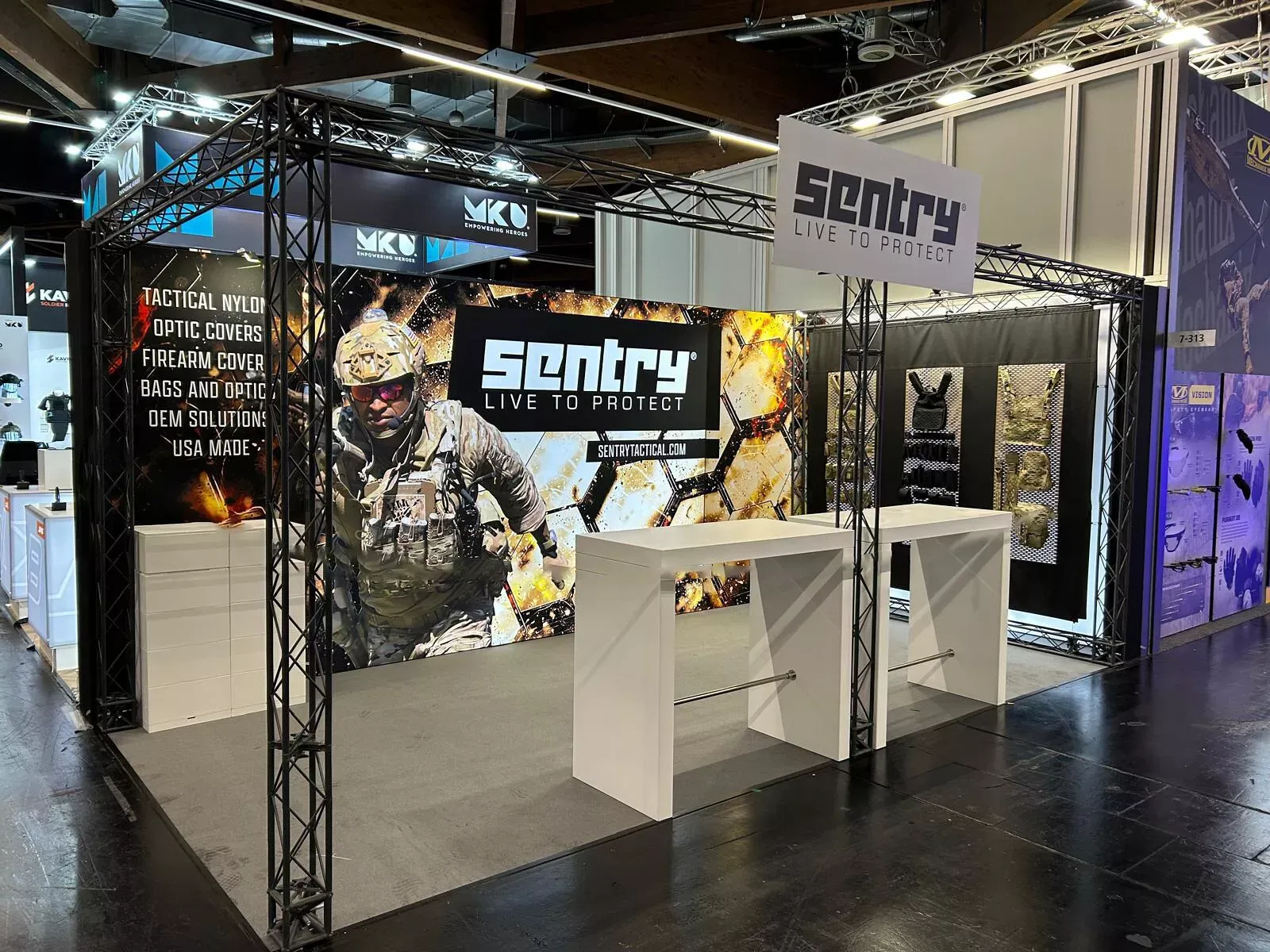
Storytelling begins the moment a visitor approaches a booth. Visual architecture, material choices, spatial flow, and digital integrations all work together to convey what a business stands for. Companies increasingly rely on custom exhibition stands because these allow them to translate their brand personality into a physical environment. Clean lines, bold shapes, or warm textures can instantly set the tone, reflecting qualities such as precision, creativity, sustainability, or technological ambition. When executed well, design becomes a narrative tool rather than mere decoration.
Key Elements of Smart Exhibition Stand Design for Effective Brand Storytelling
Smart exhibition stand design also enhances storytelling through intuitive layouts. A strong spatial plan guides visitors from one part of the story to the next—whether that means highlighting product evolution, showcasing innovations, or demonstrating services. Zones dedicated to interaction, consultation, or immersion keep audiences engaged while ensuring the message flows coherently. Thoughtful lighting adds another layer of expression, drawing attention to key elements and shaping mood without relying on excessive verbal explanation.
Digital engagement is now a central component of exhibition storytelling. Interactive screens, AR walk-throughs, or guided demos allow companies to transform complex messages into easily digestible experiences. When combined with clever physical design, these tools amplify emotional impact. Visitors not only see what a brand offers but feel it. This multisensory approach strengthens recall long after the event ends.
Sustainability has also become a meaningful part of the narrative. Brands using recyclable materials, modular structures, or low-energy lighting are able to demonstrate responsibility through the exhibition stand itself rather than through statements alone. In this sense, design choices become direct expressions of brand values—something increasingly important to European audiences.
Collaborating with an award-winning exhibition stand builder in Europe is often key to achieving such cohesion. These teams understand how to merge creativity with cultural expectations, venue requirements, and visitor behaviour patterns. Their expertise ensures the stand doesn’t simply look appealing but also communicates the intended message effectively. Companies like Expo Exhibition Stands, which have longstanding experience in exhibition stand design and build, often contribute strategic insight into how space can be used to reinforce narrative flow and keep the brand voice consistent.
What ultimately elevates smart exhibition stand design is its capacity to turn passive attendance into an active brand encounter. Rather than relying on brochures or sales pitches, the environment itself becomes the storyteller—immersing visitors in a world built around the company’s identity. In competitive event halls, this ability to transform space into a narrative asset can be the difference between being noticed and being remembered.
As industry events continue to evolve, brands that invest in thoughtful, story-driven stand design are better positioned to create deeper connections with prospects and partners. Smart stand design doesn’t just enhance storytelling; it shapes the entire perception of the brand, making it a strategic tool no modern business should overlook.





















Sign in to leave a comment.