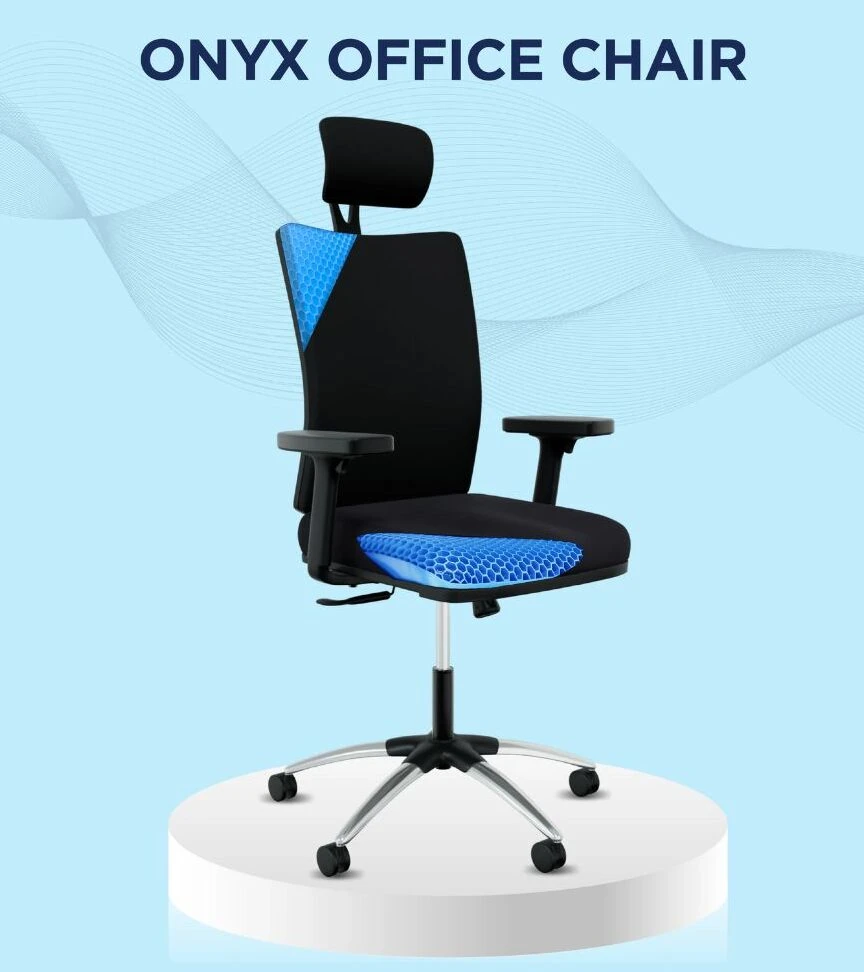

In today’s fast-paced corporate world, the average office worker spends nearly 8–10 hours a day sitting at a desk. This prolonged sitting, especially with poor posture, leads to a range of musculoskeletal issues such as back pain, neck strain, shoulder stiffness, and poor spinal alignment. As awareness of workplace ergonomics grows, companies and individuals are increasingly investing in advanced seating solutions. One such innovation is the Smart Grid Chair — a chair engineered to support correct posture and promote long-term spinal health.
Smart Grid Chairs use intelligent design and modern materials to adapt to the user’s body shape, sitting habits, and movement patterns. Let’s explore how these chairs are revolutionizing workplace comfort and significantly improving posture.
Understanding the Smart Grid Technology
Smart Grid Chairs are based on adaptive grid technology, typically made from a flexible polymer material arranged in a geometric pattern or grid. Unlike traditional cushions or foams, the grid structure is dynamic — it compresses where necessary and stays firm where support is needed, providing targeted pressure relief and balanced weight distribution.
This technology mimics the body's natural alignment and responds to movement in real time. Whether you lean back, shift sideways, or sit upright, the grid adapts and repositions itself to maintain optimal support.
How Smart Grid Chairs Improve Posture
1. Even Weight Distribution
Traditional chairs often create pressure points by distributing the body’s weight unevenly. This can cause slouching, hip discomfort, and lower back strain. Smart Grid Chairs, on the other hand, use the elasticity of the grid to distribute body weight evenly. This not only reduces pressure on the spine but also keeps the pelvis and lower back in a neutral position — a crucial factor for maintaining good posture.
2. Lumbar Support That Adjusts with You
One of the major causes of bad posture is lack of lumbar support. Smart Grid Chairs come with built-in dynamic lumbar zones. These zones automatically contour to the lower back, supporting the natural curve of the spine. Unlike fixed lumbar pillows or cushions, the grid flexes with body movement, providing consistent support regardless of sitting position.
3. Encourages Active Sitting
Smart Grid Chairs promote what's known as active sitting — the ability to subtly move and shift while seated. This helps avoid stiffness and improves core engagement. With every micro-movement, the smart grid responds and re-aligns, encouraging users to avoid static postures that lead to slumping or leaning forward.
4. Breathability and Comfort Reduce Slouching
Overheating and discomfort often lead to users shifting awkwardly in their seats, which contributes to bad posture. The open-grid design of Smart Grid Chairs allows for better airflow, keeping the user cool and comfortable. This reduces the urge to slouch or sit in odd positions, thus promoting a more upright and relaxed posture.
5. Neck and Shoulder Alignment
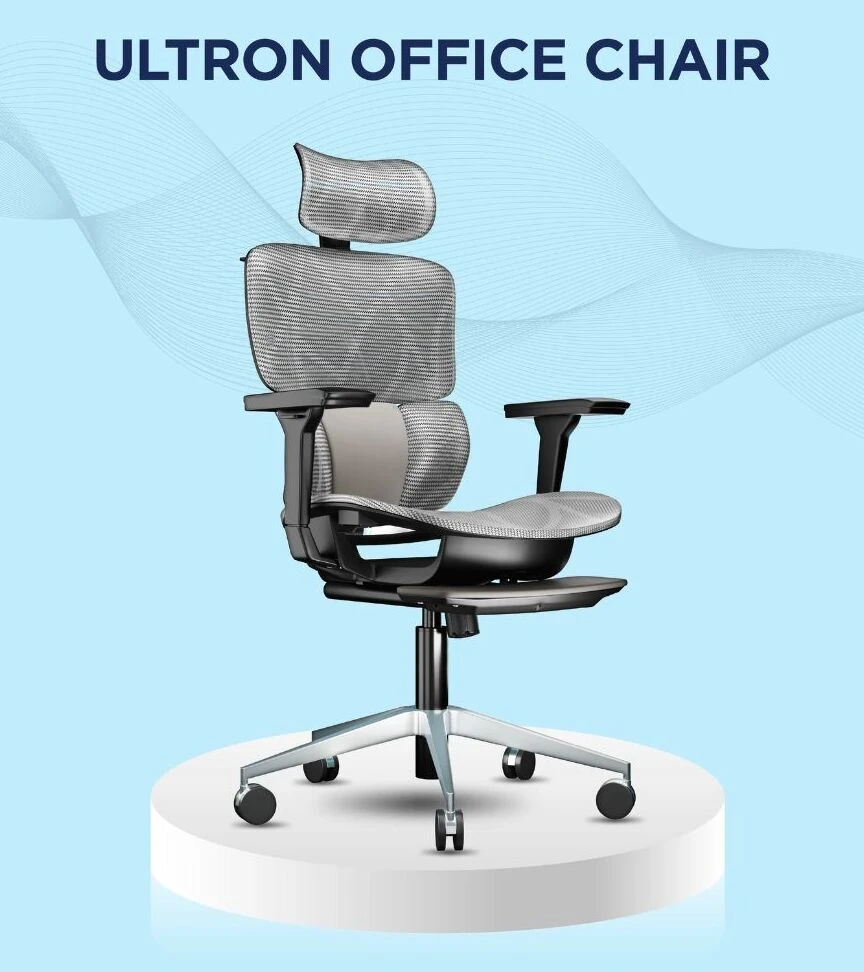
Many Smart Grid Chairs come with adjustable headrests and upper back support, which ensures that the neck remains aligned with the spine. This minimizes forward head posture — a common issue among computer users — and reduces strain on the shoulders and upper back.
Benefits Beyond Posture
While improved posture is the primary advantage, Smart Grid Chairs offer several secondary benefits that contribute to overall workplace wellness:
- Reduced Back Pain: By promoting natural spinal alignment, these chairs significantly reduce chronic back pain over time.
- Better Focus: Physical discomfort often affects mental focus. By enhancing physical comfort, Smart Grid Chairs help improve concentration and productivity.
- Long-Term Musculoskeletal Health: Supporting the spine correctly can prevent long-term conditions such as cervical spondylosis, disc degeneration, and poor blood circulation.
- Enhanced Work Satisfaction: Employees who feel physically comfortable are more likely to feel positive about their work environment, which boosts morale and engagement.
Ideal Users of Smart Grid Chairs
Smart Grid Chairs are ideal for:
- Office workers with sedentary jobs
- Remote workers or freelancers with home setups
- Individuals with chronic back or neck pain
- Ergonomic enthusiasts seeking comfort and support
- Employers looking to invest in employee wellness
What to Look for in a Smart Grid Chair
If you're considering investing in a Smart Grid Chair, here are some key features to look for:
- Adjustable seat height and armrests
- Flexible lumbar support with smart grid zones
- Headrest for neck support
- Breathable grid cushion material
- Recline and tilt-lock options
- Strong backrest support for full spine coverage
Make sure the chair you choose fits your body dimensions and desk setup to fully benefit from its ergonomic design.
Conclusion
The Smart Grid Chair is more than just a seating option — it's a wellness tool for modern workspaces. By combining adaptive technology with ergonomic design, these chairs offer a proactive solution to poor posture and the health issues that come with it. For anyone spending long hours at a desk, investing in a Smart Grid Chair is not a luxury, but a long-term investment in health, comfort, and productivity.
In a world where workplace wellness is becoming a top priority, Smart Grid Chairs represent the future of healthy, supportive seating. With the right posture, not only do you work better — you feel better.


















Sign in to leave a comment.