

The definition of home security has experienced a radical structural shift. For decades, residential protection was an entirely passive, reactive mechanism. It relied on basic magnetic window contacts, loud sirens, and local recording boxes that did little to stop an active intrusion, merely documenting the aftermath or alerting monitoring centers after a breach had already occurred.
Today, the intersection of high-speed wireless networking, edge-computing artificial intelligence, and unified automation protocols has turned the modern household into a proactive, thinking ecosystem. Smart security systems are no longer just accessories; they are completely rewriting the rules of residential architecture, daily convenience, and neighborhood safety.
1. The Shift from Reactive Alarms to Proactive Edge Intelligence
The most significant transformation in modern residential safety is the introduction of on-device artificial intelligence. Legacy security cameras were notorious for generating constant false alarms, triggered by a passing vehicle headlight, a stray animal, or wind blowing through tree branches.
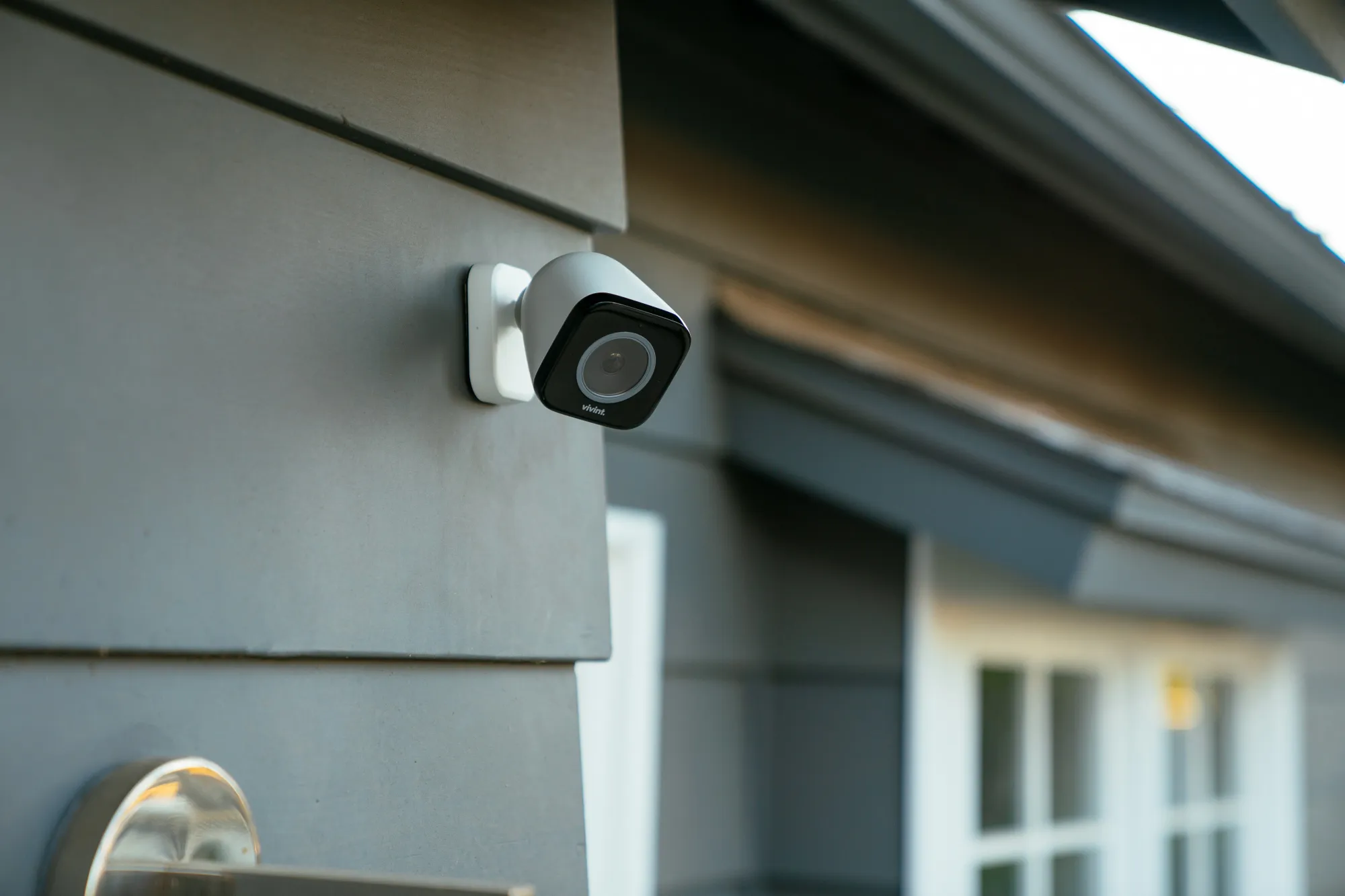
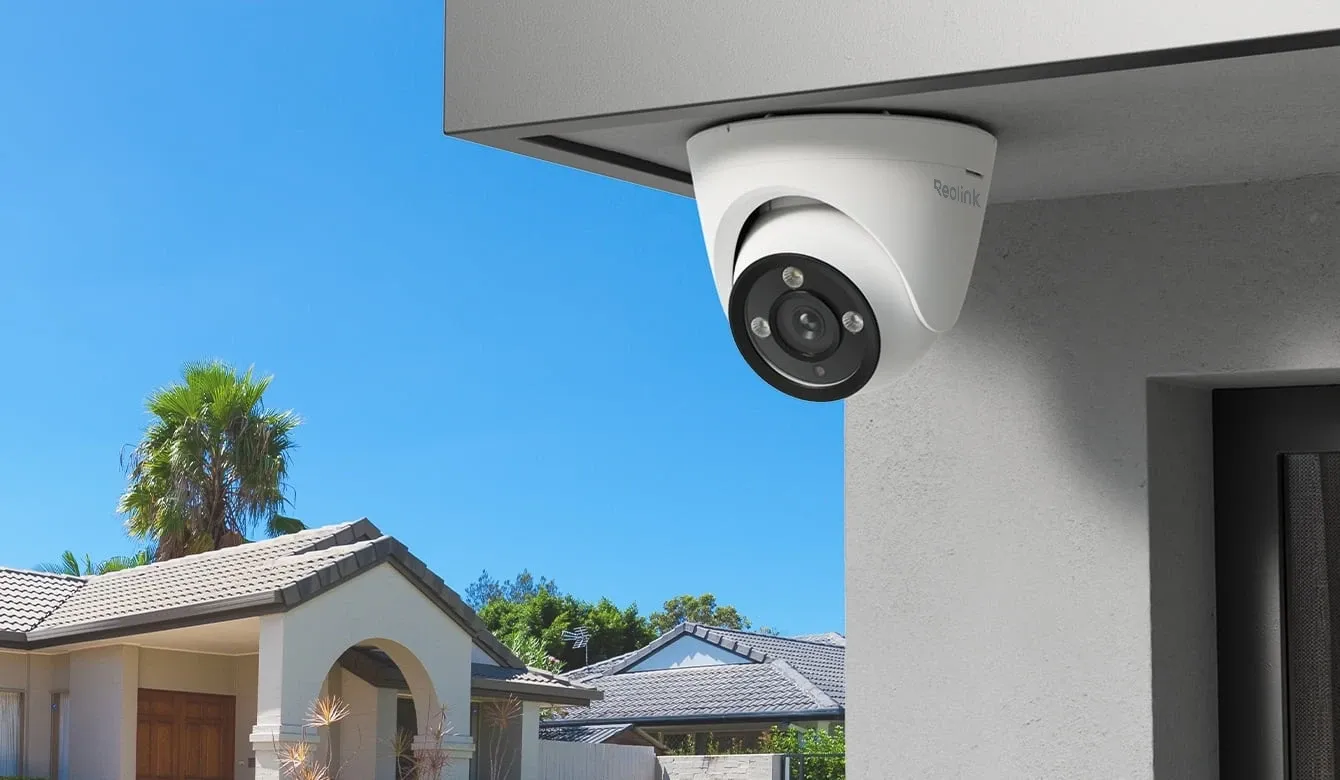
Modern smart ecosystems utilize advanced computer vision running directly on the hardware's local processor. This allows cameras to instantly categorize motion into specific profiles: humans, vehicles, animals, or packages. Instead of bombarding a homeowner with dozens of meaningless alerts throughout the day, the system remains silent until a specific, high-priority threshold is crossed—such as an unidentified individual loitering within a designated perimeter zone for more than thirty seconds. This drastically reduces alert fatigue and ensures that when a notification reaches your phone, it demands immediate attention.
2. Universal Protocol Integration and the Power of Matter
Historically, the smart home industry suffered from extreme fragmentation. A homeowner would often need one app for their cameras, a separate bridge application for their automated door locks, and a third platform to handle exterior security lighting. This lack of cohesion created technical vulnerabilities and clunky user experiences.
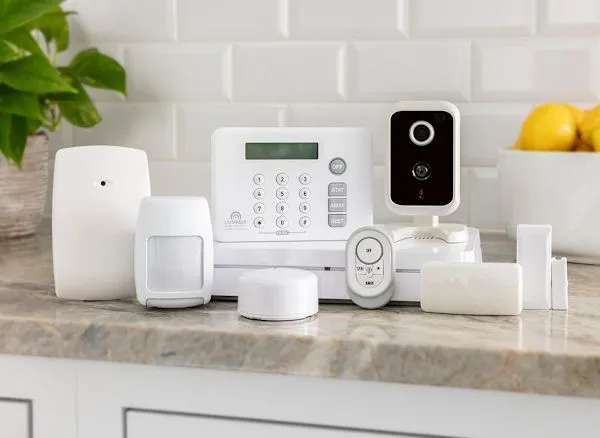
The landscape has changed with the industry-wide adoption of open-source connectivity standards like Matter and Thread. These protocols allow cross-brand devices to speak directly to one another locally without needing to bounce signals up to a distant cloud server. This means an exterior motion sensor from brand A can instantly trigger an ultra-fast local command to turn on floodlights from brand B and lock a deadbolt from brand C, creating a synchronized barrier that responds to threats in milliseconds.
Driving the Evolution of Residential Safety
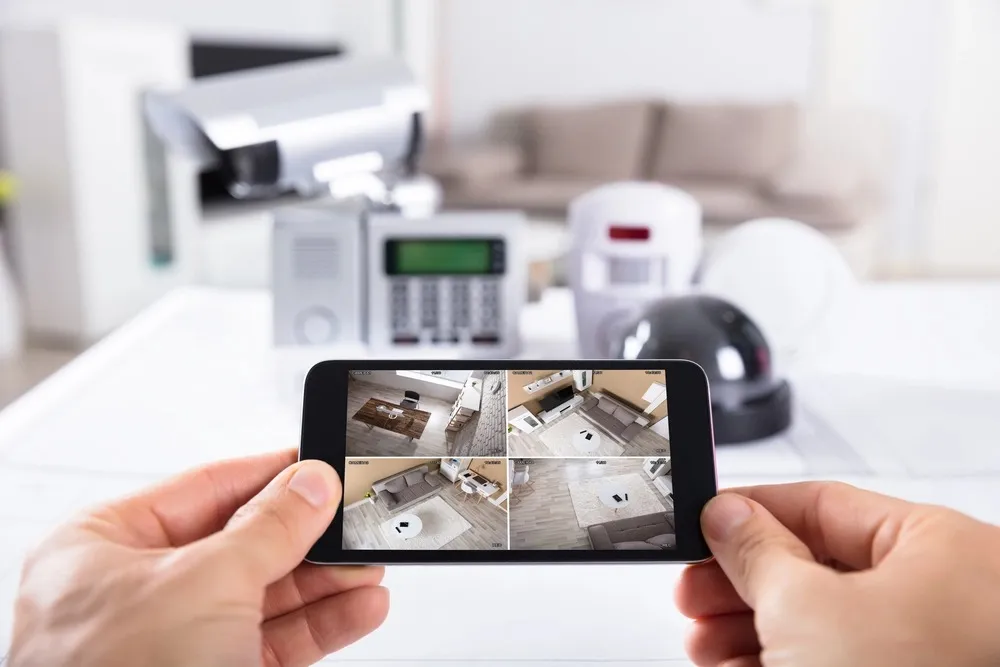
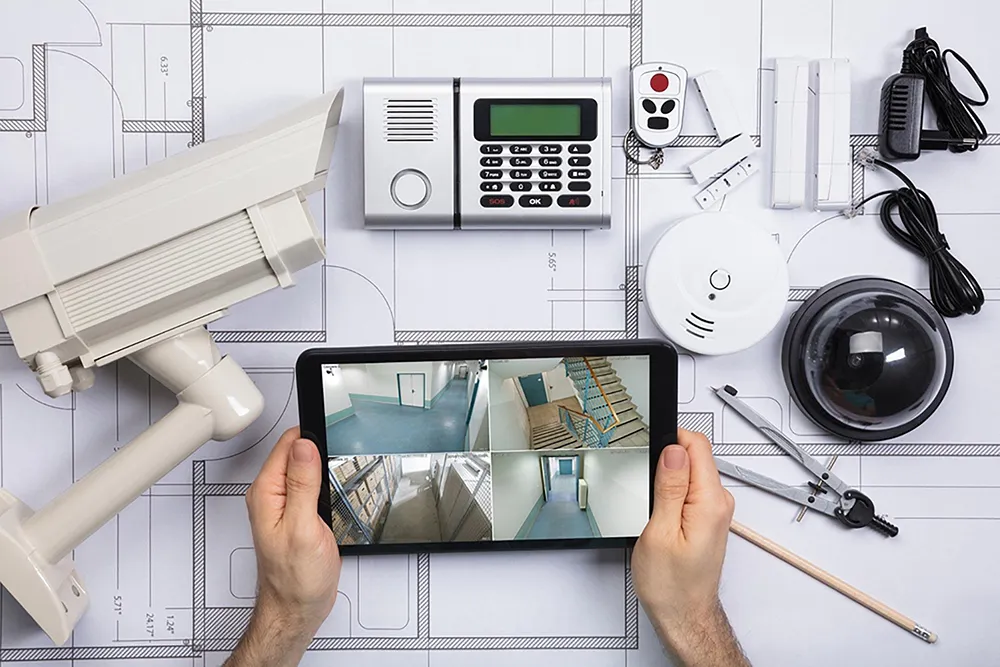
As neighborhoods evolve, properties require defensive measures that adapt to real-time variables rather than relying on manual operation. Implementing a modern, fully integrated framework of home security systems allows property owners to bridge the gap between simple surveillance and true predictive defense, transforming physical houses into highly responsive digital fortresses.
3. Geofencing and Contextual Automation Macros
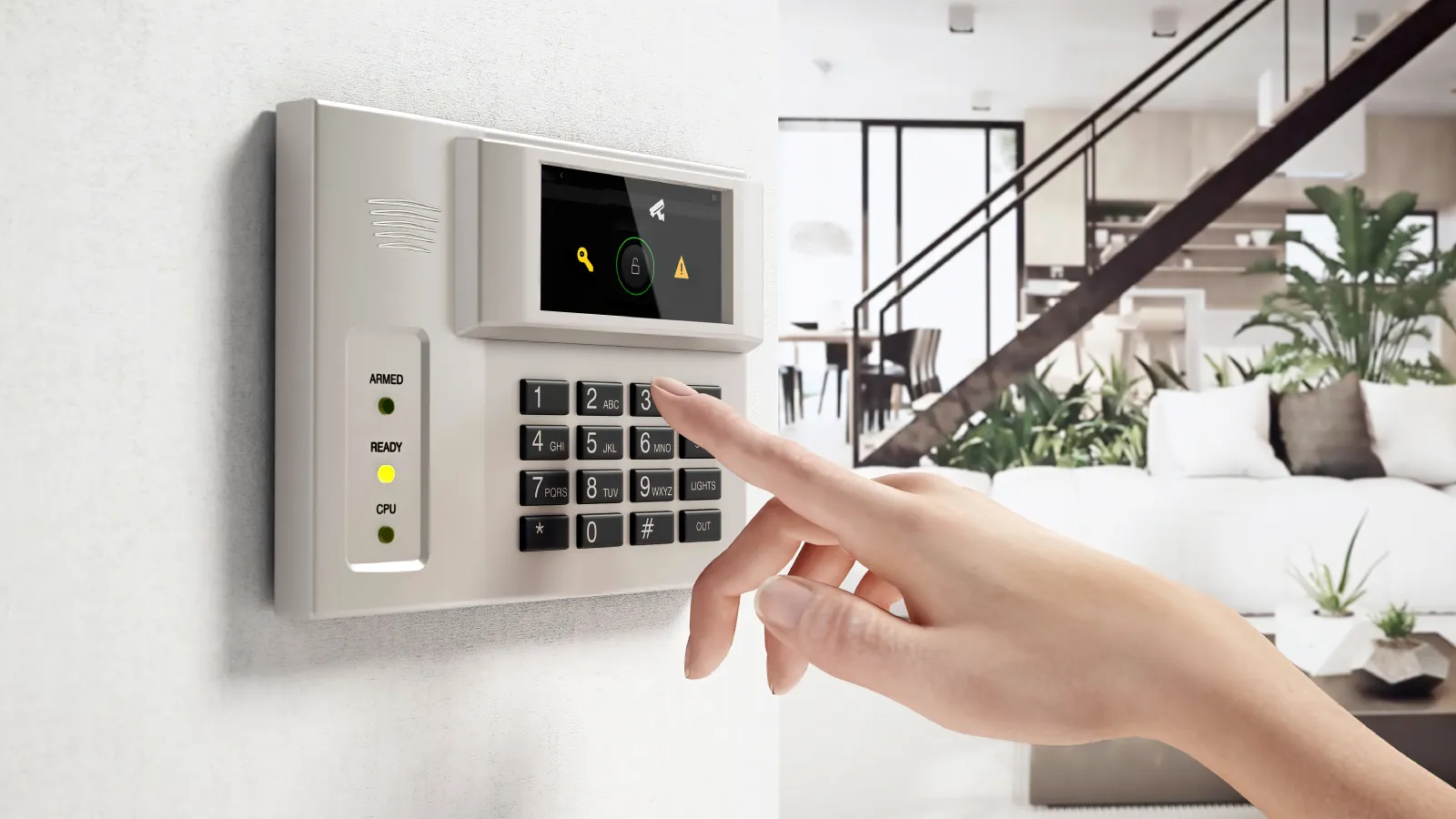
Modern security setups have eliminated the daily hassle of remembering to manually arm or disarm alarm panels when leaving for work or returning home. Through the use of smartphone GPS tracking and geofencing technology, the house understands the occupancy state of its inhabitants.
When the last registered smartphone leaves a pre-defined radius around the property, a sequence of automated events takes place:
- The interior and exterior doors automatically lock.
- The main security array enters an armed "Away" state.
- Garage doors close if left open.
- HVAC systems shift into energy-saving modes.
- Interior privacy shutters cover indoor camera lenses to protect occupant privacy when they return.
This seamless blend of operational convenience and strict security ensures that human error never leaves a property vulnerable.
4. Decentralized Cloud Backups and Local Firmware Encryption
As security systems became deeply connected to the internet, cybersecurity emerged as a primary concern for property owners. Early internet-connected cameras were vulnerable to stream interception and local storage theft. If an intruder managed to break into a home and steal the physical recording unit, all evidentiary video evidence was lost.
Modern smart ecosystems mitigate this risk through decentralized storage models. Footage is simultaneously processed locally for speed and immediately encrypted using military-grade AES-256 protocols before being securely streamed to redundant cloud servers. Even if the physical camera or local hub is completely destroyed during a break-in, the high-definition capture of the event remains entirely intact, instantly accessible to the property owner and law enforcement from anywhere in the world.
The Future Blueprint of Modern Living
Smart security technologies have fundamentally changed our relationship with our homes. They have transformed properties from static structural spaces into intelligent, vigilant environments that actively look out for their occupants. By filtering out false alarms through localized AI, integrating seamlessly across different brands, and utilizing secure cloud architecture, these systems provide an unprecedented level of protection and operational simplicity. With innovative solutions from United Security Systems, modern homeowners can confidently upgrade to an intelligent security ecosystem that delivers both advanced protection and a smarter standard of living.























Sign in to leave a comment.