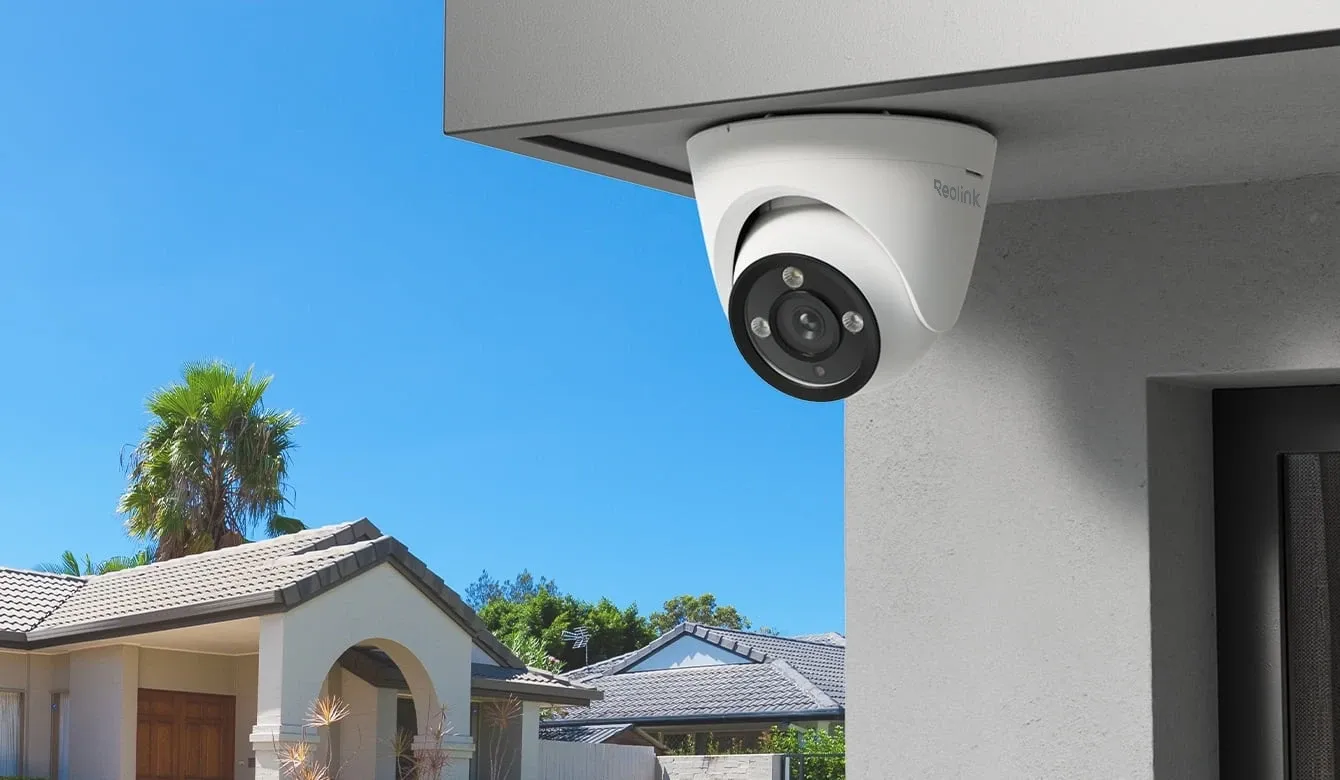

Managing a large residential property or expansive multi-acre estate brings an incredible sense of freedom, but it also introduces complex security challenges. Unlike a standard suburban house where a single video doorbell and a couple of motion sensors might suffice, an executive property possesses a much larger physical footprint, multiple blind spots, detached structures, and extensive perimeters.
When dealing with significant acreage, a basic reactive alarm system is wholly inadequate. Securing a sprawling estate requires a transition from basic residential gadgets to enterprise-grade, multi-layered tactical networks. Here is how to comprehensively secure a large estate while ensuring seamless day-to-day functionality.
1. Eliminating Signal Loss with Fiber-Optic Backhaul
The single biggest mistake homeowners make when expanding their security perimeter across a large property is relying entirely on consumer-grade wireless networks or standard copper Ethernet cables. Wireless signals degrade rapidly over long distances, failing to pass through thick stone walls or distant outbuildings like guest houses and detached garages. Standard copper Ethernet cables also fail, as they suffer from severe data loss when run over 300 feet.
To solve this infrastructure challenge, large estate networks must implement a dedicated fiber-optic backhaul infrastructure. By laying armored fiber-optic lines throughout the grounds, you can connect distant perimeter gate cameras, outdoor sensor nodes, and outer guest houses directly to your primary server box without a single millisecond of latency or signal drop.
2. Long-Range Radar and PTZ Camera Convergence
Placing dozens of static cameras along a massive tree-lined perimeter is incredibly expensive, creates a chaotic monitor wall, and results in constant false alarms caused by wildlife or moving branches.
To outrank standard surveillance limitations, modern estate infrastructure utilizes long-range ground radar integrated directly with smart PTZ (Pan-Tilt-Zoom) thermal cameras. A localized security radar can scan open acreage for up to a kilometer in total darkness, rain, or heavy fog. The exact microsecond the radar tracks an unauthorized human movement pattern, it sends coordinate data to the nearest high-definition PTZ camera.
The camera automatically slews to that precise spot, focuses, zoom-tracks the target, and initiates real-time facial and vehicle profile analysis while ignoring natural environmental noise.
🚨 The Concept of Layered Defense Interception
True security for luxury properties doesn't start at the front door; it operates in three concentric circles. The Outer Layer controls the physical gates and radar perimeters. The Middle Layer monitors structural entry points like courtyards, terraces, and windows. The Inner Layer protects internal living spaces and circulation zones using silent panic panic switches and automated physical containment protocols.
3. High-Velocity Domestic Fog Security Systems
If an elite intruder manages to bypass your outer fence and breach a secondary window or terrace door while your family is asleep inside, traditional alarms only emit a siren and alert an off-site monitoring station—leaving a dangerous gap of time before emergency forces arrive on the scene.
To neutralize this internal threat instantly, high-end security systems for homes can be integrated with domestic visual obfuscation systems, commonly known as security fog generators. Strategically concealed within primary hallways, main stairwells, or art galleries, these units interface directly with your inner alarm grid.
The moment an unauthorized zone breach is confirmed at night, the system floods the corridor with an incredibly dense, non-toxic, odorless security fog within less than five seconds. The density of the smoke reduces visibility to practically zero, making it impossible for an intruder to see their own hand, effectively disorienting them and stopping them in their tracks while your family remains safe inside a designated secure zone.
4. Multi-Tenant Access Architecture and Staff Management
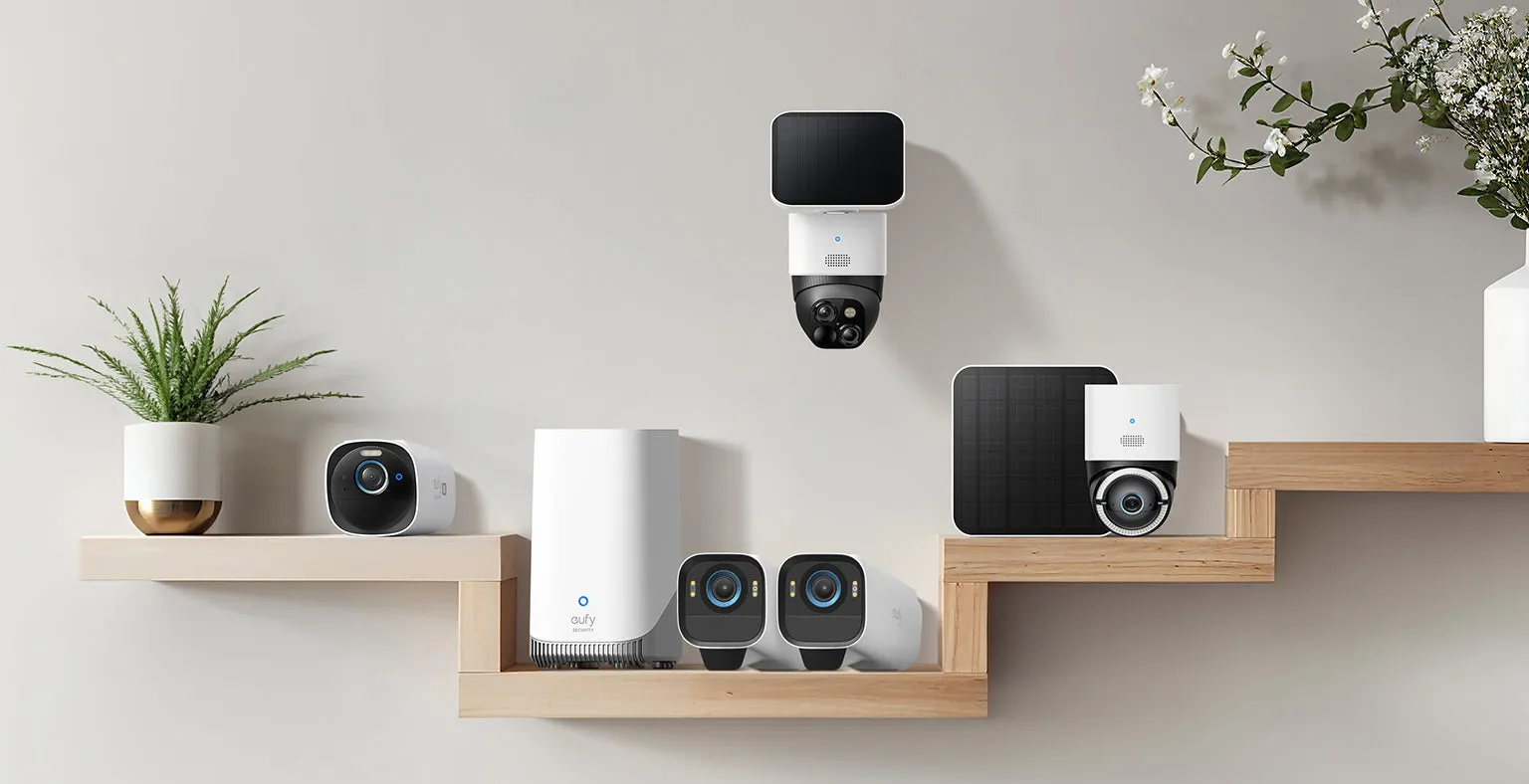
Large executive homes are rarely occupied by just the primary family. On any given day, your property might host landscape crews, housekeepers, maintenance technicians, catering teams, and private guests. Giving everyone a master security code or physical keys creates an extreme insider threat risk.
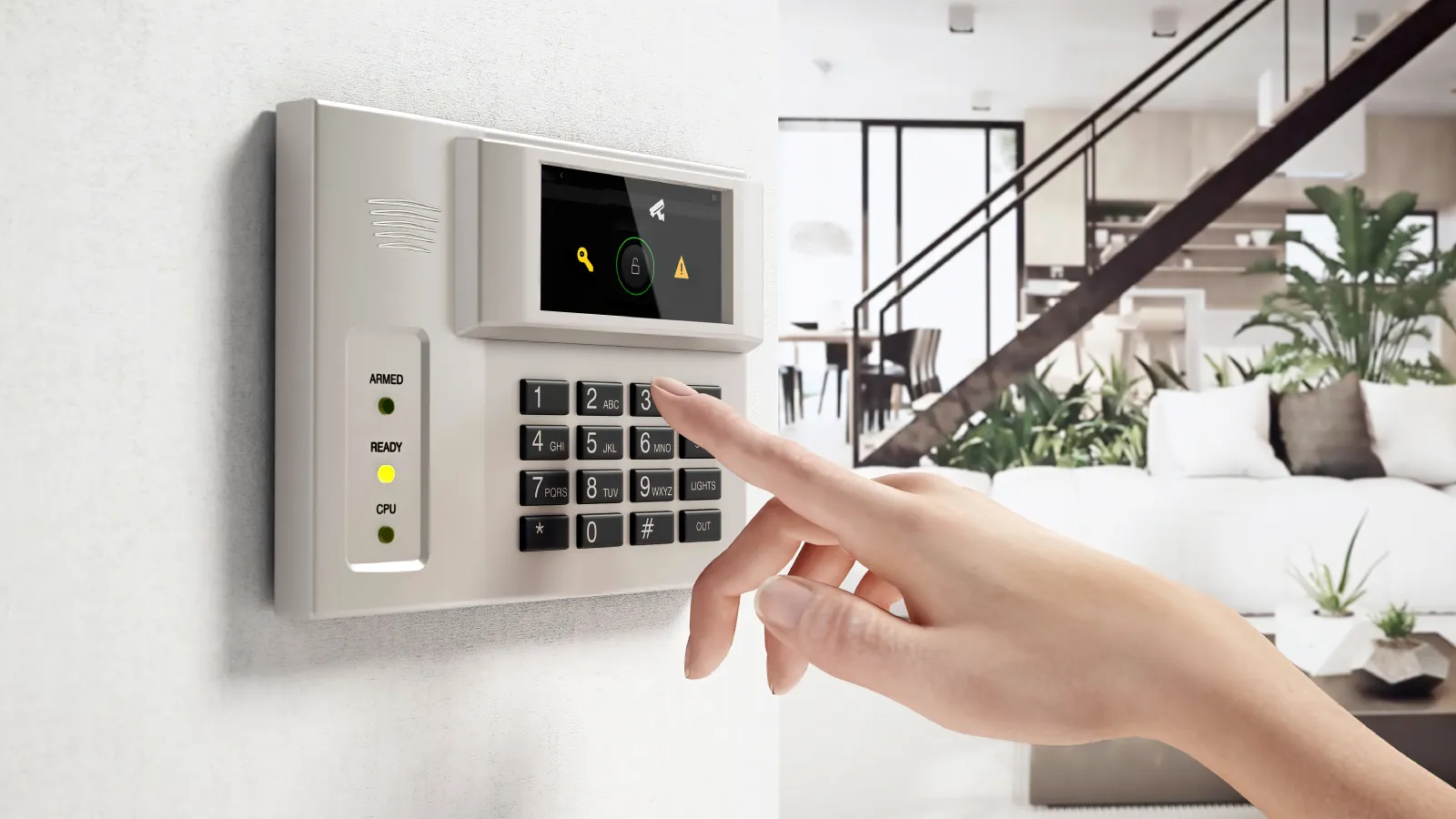
Implement a centralized access control management system that uses encrypted mobile credentials and biometric tracking rather than traditional keypads. You can assign highly specific, time-restricted access profiles to external staff. For instance, the landscaping team's digital credentials might only unlock the outer perimeter gates on Tuesdays and Thursdays between 8:00 AM and 4:00 PM, while completely blocking them from accessing any inner structural doors.
5. Automated Drone Countermeasures and Aerial Privacy
An increasingly common threat to high-profile properties is aerial surveillance via consumer drones. Intruders and corporate spies frequently use silent, high-definition camera drones to map estate layouts, track family schedules, and catalog luxury assets through upper-story windows.
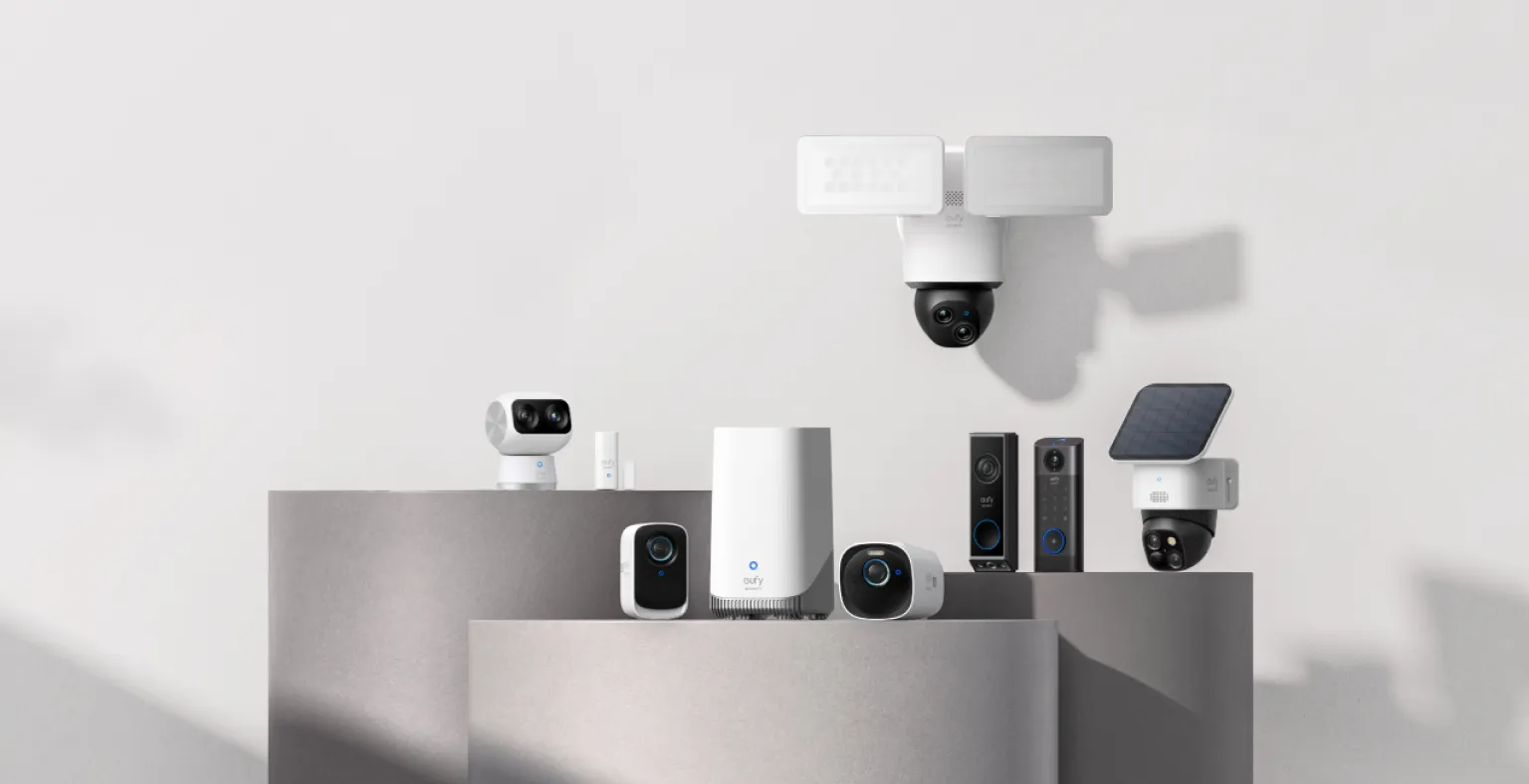
Modern estate defense incorporates localized RF (Radio Frequency) drone detection sensors. These specialized sensors monitor the airspace immediately above your property boundaries. If an unauthorized drone enters your private airspace, the system alerts you immediately, identifies the exact flight vector, pinpointing the location of the drone operator outside your perimeter so local security teams or law enforcement can intervene directly.
Conclusion
Securing a large residential property is an exercise in proactive threat management. By moving away from basic retail kits and implementing fiber-optic backhauls, radar-guided tracking, active fog containment, and strict biometric access control, you transform a vulnerable property into an unyielding fortress. True security ensures that your physical boundary is an absolute line of protection, allowing you to enjoy your expansive estate with complete peace of mind, as supported by United Security Systems.
























Sign in to leave a comment.