

The pharmaceutical industry is entering a new era of digital transformation. Smart Manufacturing in Pharma is changing how medicines are produced by combining advanced technologies such as Artificial Intelligence (AI), Machine Learning, Industrial IoT (IIoT), robotics, automation, predictive analytics, and Digital Twin Technology.
These technologies are helping pharmaceutical manufacturers improve production efficiency, product quality, regulatory compliance, and overall operational performance. As Pharma Industry 4.0 continues to evolve, smart manufacturing is becoming an important part of modern pharmaceutical production.
What Is Smart Manufacturing in Pharma?
Smart Manufacturing in Pharma refers to the use of connected digital technologies to monitor, analyze, automate, and optimize manufacturing processes. Unlike traditional systems that often depend on manual monitoring and reactive maintenance, smart manufacturing uses real-time data to support faster and more informed decisions.
Connected machines, sensors, software, and automated systems can work together to provide better visibility across pharmaceutical production.
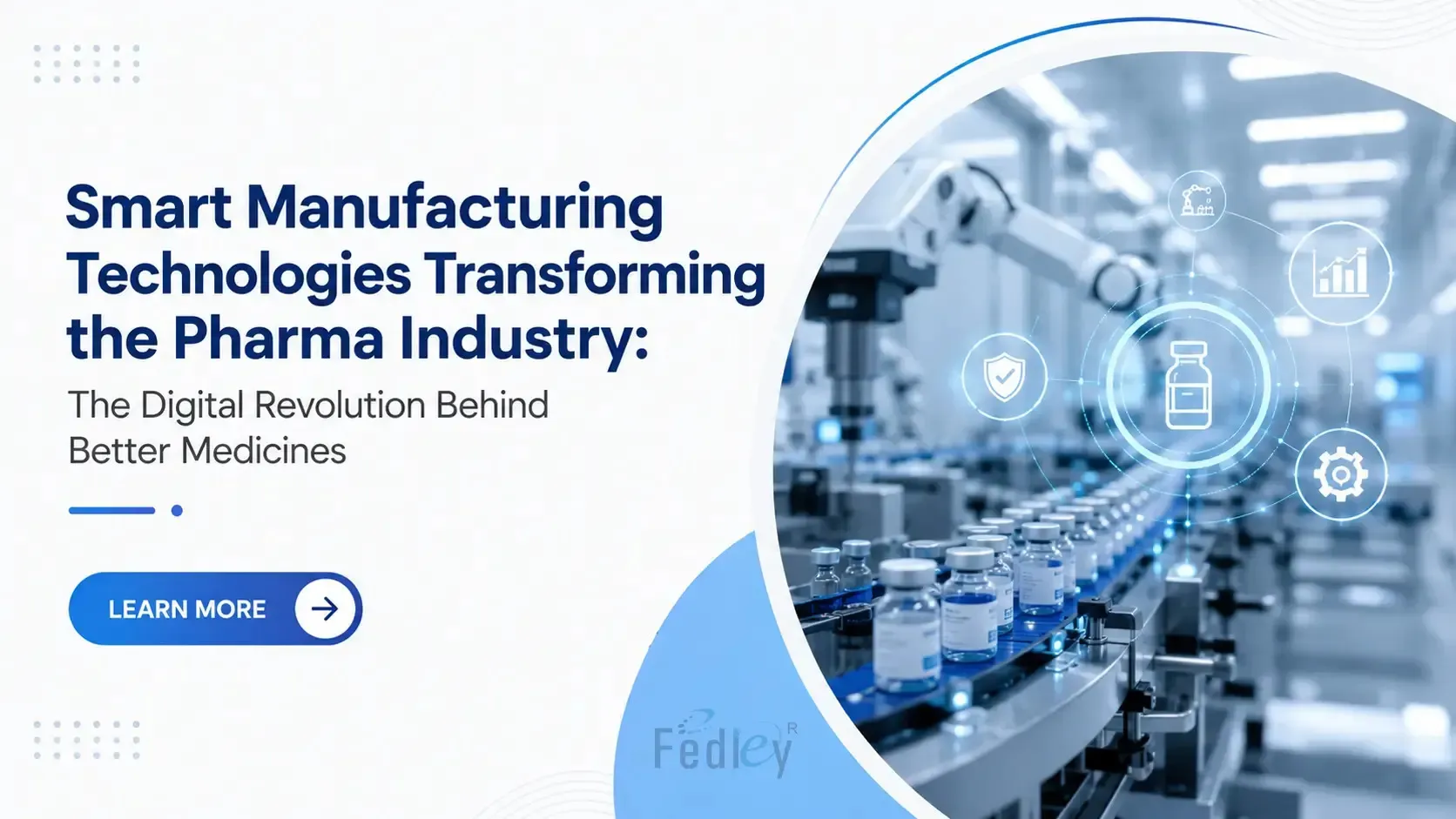
Key Technologies Transforming Pharma Manufacturing
Several technologies are driving the digital revolution in pharmaceutical manufacturing.
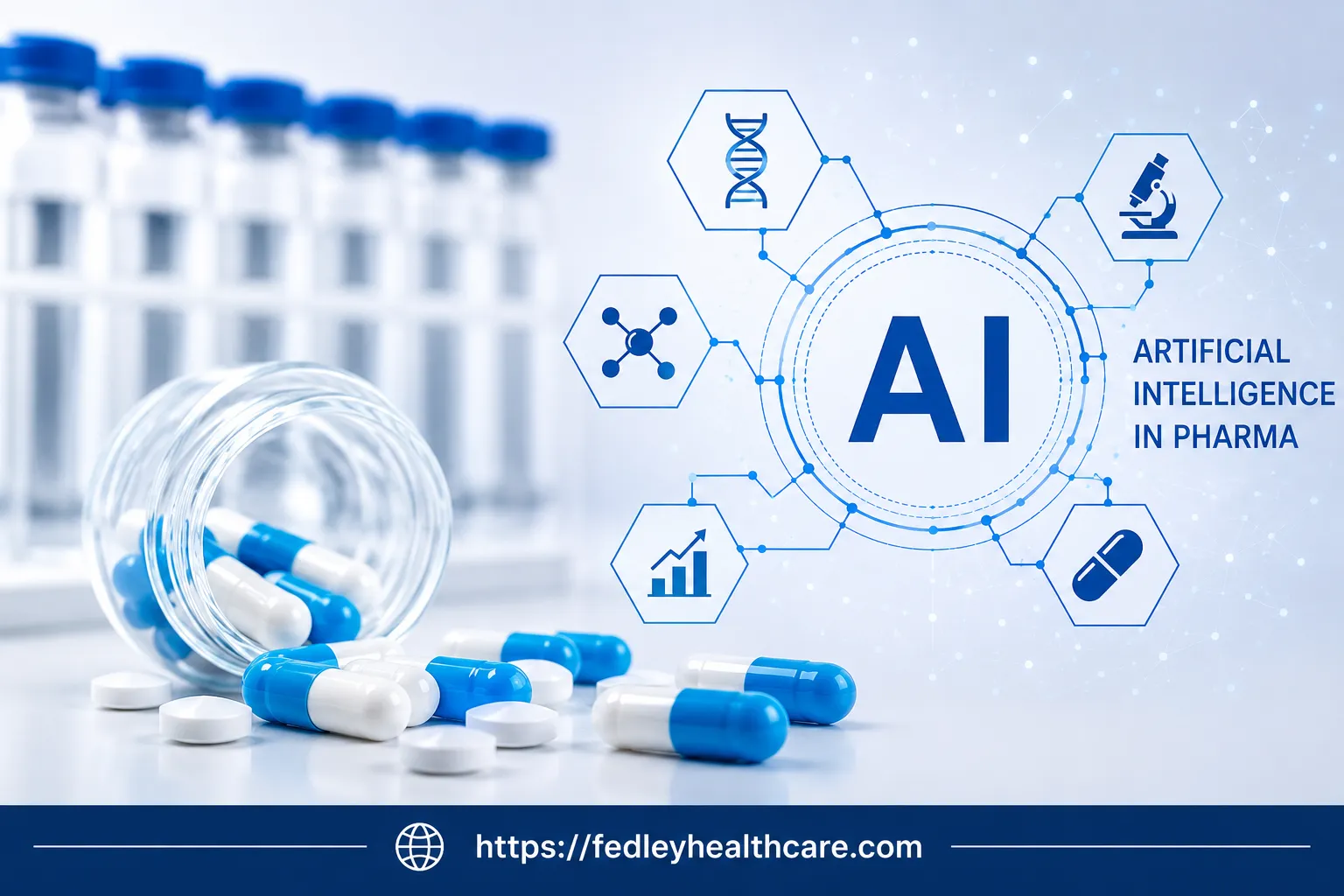
Artificial Intelligence and Machine Learning can analyze large amounts of production data and support quality inspections, predictive maintenance, production forecasting, and process optimization.
Industrial IoT (IIoT) connects equipment, machines, and sensors to provide real-time information about production performance, environmental conditions, inventory, and energy consumption.
Pharmaceutical Automation and Robotics can improve repetitive processes such as packaging, labeling, material handling, laboratory operations, and quality inspection while reducing manual intervention.
Another emerging technology is Digital Twin Technology, which creates a virtual model of a physical manufacturing process. Manufacturers can use digital twins to test process changes, improve production planning, and identify potential equipment problems before implementing changes in the actual facility.
Benefits of Smart Manufacturing
The adoption of Smart Manufacturing Technologies offers several advantages for Pharmaceutical Companies. Real-time monitoring and AI-powered analytics can help identify process deviations earlier and support better quality control.
Predictive maintenance can reduce unexpected equipment failures, downtime, and maintenance costs. Automation can also improve production consistency, workflow efficiency, and scalability.
Smart manufacturing systems can support better documentation and traceability, helping pharmaceutical manufacturers manage regulatory and GMP requirements more effectively. Improved production workflows can also contribute to faster time-to-market.
The Future of Pharma Industry 4.0
The future of pharmaceutical manufacturing is moving toward smart factories, continuous manufacturing, AI-driven decision-making, sustainable production, personalized medicine, and connected supply chains.
Companies that invest in digital transformation can build more flexible and data-driven manufacturing environments. As technology continues to advance, smart manufacturing will play an increasingly important role in producing quality medicines efficiently and consistently.
Conclusion
Smart Manufacturing in Pharma is transforming traditional production into a more connected, automated, and intelligent process. AI, IIoT, Machine Learning, robotics, and Digital Twin Technology can help pharmaceutical manufacturers improve quality, efficiency, compliance, and production performance.
The digital revolution in pharma is already underway, and smart manufacturing technologies are helping shape the future of pharmaceutical manufacturing.
FAQs
1. What is Smart Manufacturing in Pharma?
Smart Manufacturing in Pharma uses connected digital technologies such as AI, IoT, automation, and data analytics to improve pharmaceutical production.
2. How does AI help pharmaceutical manufacturing?
AI can support predictive maintenance, quality control, production forecasting, process optimization, and data-driven decision-making.
3. What is IIoT in pharmaceutical manufacturing?
Industrial IoT connects machines, sensors, and equipment to provide real-time production and operational information.
4. What are the benefits of pharmaceutical automation?
Automation can improve efficiency, reduce manual errors, increase production consistency, and support quality and compliance.
5. What is the future of smart manufacturing in pharma?
Future developments include smart factories, continuous manufacturing, AI-powered operations, sustainable production, and more connected supply chains.






















Sign in to leave a comment.