

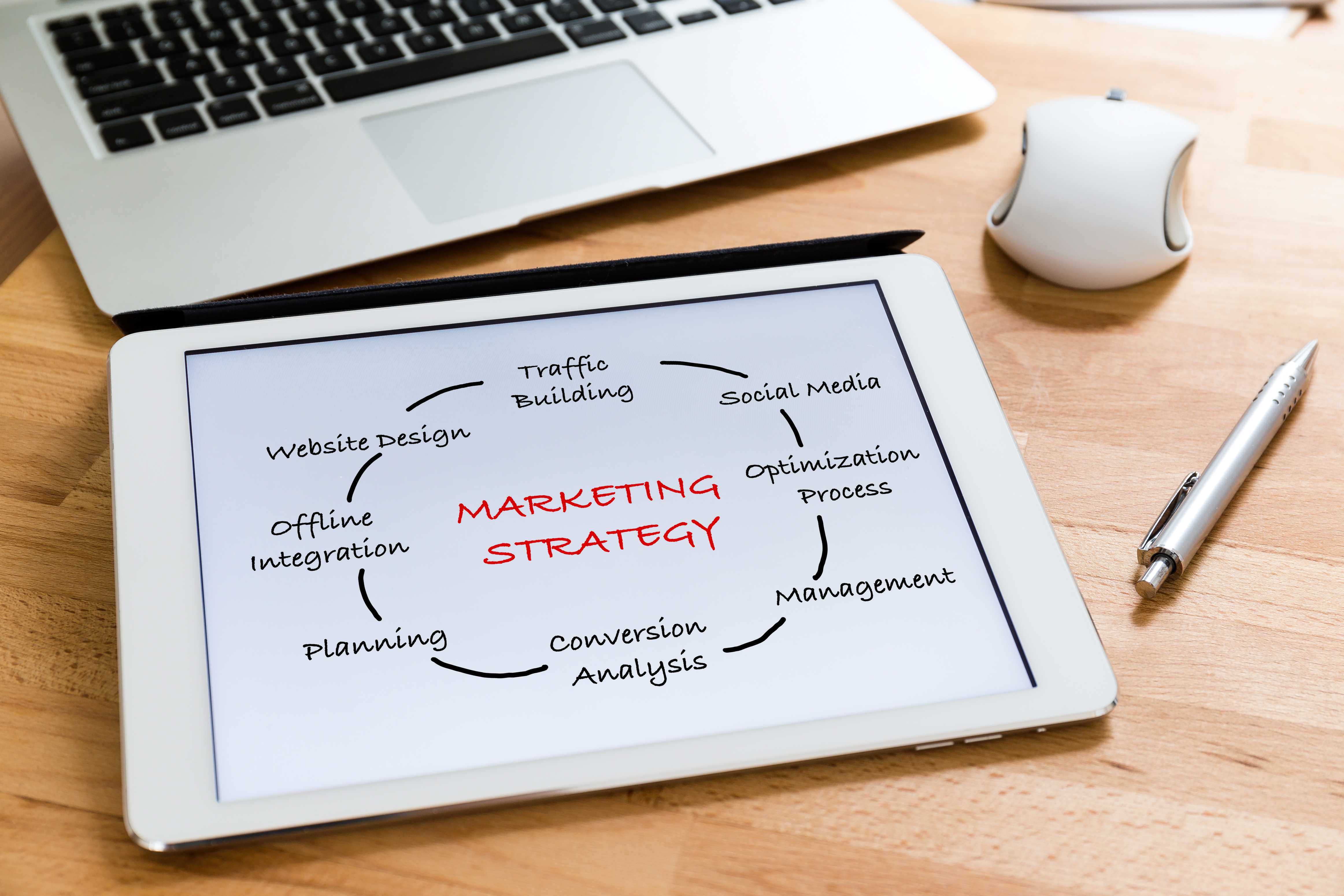
In today’s fast-moving digital landscape, social media is more than just a branding tool — it’s a growth engine. Businesses that treat social platforms strategically are scaling faster, building stronger communities, and generating consistent leads. At the center of this success is social media management.
Without structure and planning, social media becomes random posting with little return. But with the right approach, it transforms into a powerful system for sustainable brand growth on social media.
Let’s explore how professional social media management helps brands grow faster in 2026 and beyond.
1. What Is Social Media Management?
Social media management involves planning, creating, publishing, analyzing, and optimizing content across social platforms like Instagram, Facebook, LinkedIn, X (Twitter), and TikTok.
It includes:
- Developing a clear social media strategy
- Designing high-quality content
- Implementing consistent content scheduling
- Managing engagement and community
- Running paid campaigns
- Tracking and optimizing performance
It’s not just about posting regularly — it’s about posting with purpose.
2. A Clear Social Media Strategy Drives Faster Results
Growth doesn’t happen randomly. It’s driven by a structured social media strategy aligned with business goals.
A strategic approach includes:
- Defining target audience
- Setting measurable goals (leads, engagement, traffic)
- Selecting the right platforms
- Creating content themes
- Establishing posting frequency
When brands operate with a strategy instead of guessing, every post supports long-term brand growth on social media.
3. Consistency Through Content Scheduling
One of the biggest challenges businesses face is maintaining consistency. Sporadic posting weakens visibility and reduces algorithm reach.
This is where content scheduling becomes critical.
Why Content Scheduling Matters
- Ensures consistent posting frequency
- Optimizes best posting times
- Aligns content with campaigns and promotions
- Reduces last-minute stress
With structured scheduling, brands remain visible and relevant — which directly impacts engagement and growth.
Consistency builds trust. Trust accelerates brand growth on social media.
4. Strong Brand Identity Across Platforms
Professional social media management ensures that branding remains consistent across every platform.
This includes:
- Unified visual style
- Consistent tone of voice
- Clear messaging
- Recognizable brand personality
When users see consistent branding, recognition increases. The more familiar a brand feels, the more likely customers are to engage and purchase.
5. Increased Engagement and Community Building
Engagement is the heartbeat of social platforms. Likes, comments, shares, and saves signal to algorithms that content is valuable.
Effective social media management focuses on:
- Interactive content (polls, Q&As, reels)
- Responding to comments and messages
- Encouraging conversations
- Building loyal communities
Community-driven brands grow faster because engaged followers become brand advocates.
6. Turning Followers Into Leads
Many businesses focus only on vanity metrics like follower count. But growth comes from conversions, not just likes.
With a structured social media strategy, brands guide audiences through a conversion journey:
Awareness → Interest → Trust → Action
This includes:
- Strong call-to-actions (CTAs)
- Lead magnet promotions
- Landing page integration
- Retargeting ads
- Direct messaging funnels
Professional social media management turns attention into measurable business outcomes.
7. Supporting Overall Marketing Efforts
Social media doesn’t operate in isolation. It supports broader marketing activities such as:
- Website traffic generation
- Email list building
- Product launches
- Brand awareness campaigns
When aligned with a company’s overall marketing goals, social media management strengthens every other channel.
For example:
- Blog posts can be repurposed into social content
- Ads can retarget engaged users
- Social proof can boost website conversions
Integration creates momentum.
8. Data-Driven Growth Decisions
One major advantage of social platforms is real-time analytics.
Professional social media management includes tracking:
- Engagement rate
- Reach and impressions
- Follower growth
- Click-through rate
- Conversion rate
By analyzing performance, brands can:
- Identify top-performing content
- Improve underperforming posts
- Adjust their social media strategy
- Optimize posting times
Growth becomes predictable when decisions are backed by data.
9. Paid Campaigns Accelerate Brand Growth
Organic growth is powerful but can be slow. Paid advertising amplifies reach.
With proper management, brands can run:
- Targeted social ads
- Retargeting campaigns
- Lead generation ads
- Conversion-focused campaigns
When paid ads are supported by strong content scheduling and organic engagement, results improve significantly.
A structured system ensures advertising budgets generate maximum ROI.
10. Authority and Trust Building
Trust is essential for long-term success.
Brands that consistently share:
- Educational content
- Industry insights
- Testimonials
- Case studies
- Behind-the-scenes updates
Position themselves as industry leaders.
Social media management ensures these trust-building elements are shared regularly and strategically.
Authority accelerates brand growth on social media because customers prefer buying from brands they trust.
11. Time Efficiency and Scalability
Managing social platforms requires time, creativity, and consistency. Without structure, it becomes overwhelming.
Professional management:
- Saves time for business owners
- Ensures quality control
- Maintains posting consistency
- Aligns content with growth goals
As the brand grows, systems can scale easily. Structured processes make expansion smoother and more predictable.
12. Avoiding Common Social Media Mistakes
Brands without proper management often struggle with:
- Inconsistent posting
- Over-promotional content
- Ignoring engagement
- No clear strategy
- Not tracking analytics
These mistakes slow down growth.
With structured social media management, brands avoid these pitfalls and maintain steady progress.
13. Long-Term Brand Growth on Social Media
Sustainable growth is not about going viral once — it’s about building long-term momentum.
This requires:
- Consistent content scheduling
- Continuous optimization
- Strategic audience targeting
- Engaging community management
- Clear social media strategy
Over time, small improvements compound into significant brand visibility and revenue growth.
Brands that invest in proper management grow faster because they operate with systems rather than randomness.
Conclusion
In 2026, social platforms are among the most powerful growth channels available. But success doesn’t come from occasional posting — it comes from structured execution.
Professional social media management provides:
- A clear social media strategy
- Consistent content scheduling
- Data-driven decision-making
- Community engagement
- Scalable growth systems
When managed correctly, social media becomes more than a marketing channel — it becomes a predictable engine for brand growth on social media.
Brands that want faster visibility, stronger engagement, and measurable results must move beyond casual posting and embrace strategic management.
Because in today’s digital economy, growth favors the brands that plan, execute, and optimize consistently.


























Sign in to leave a comment.