

For years, rising electricity bills have been a constant concern for middle-class families in India. Monthly expenses are already tightly managed, and a sudden spike in power bills especially during summer can disrupt the entire household budget.
But things are changing. Today, more families are turning to solar not just as an alternative, but as a practical way to take control of their electricity costs. What was once seen as an expensive upgrade is now becoming a smart financial decision.
From Monthly Bills to Long-Term Savings
One of the biggest shifts solar brings is moving from unpredictable electricity bills to more stable and controlled expenses.
A properly installed rooftop solar system allows families to generate their own electricity during the day. This directly reduces the number of units consumed from the grid.
Over time, many households even move closer to achieving a zero electricity bill, especially when energy usage is aligned with solar generation.
Making Solar Affordable for Middle-Class Families
Affordability was once the biggest barrier. But today, government-backed solar subsidy schemes have made solar systems much more accessible.
These subsidies reduce the upfront cost, making it easier for middle-class homeowners to invest without financial strain.
Instead of seeing solar as a luxury, families now see it as a long-term saving tool similar to buying a fixed asset that pays back over time.
Ideal System Size for Most Homes
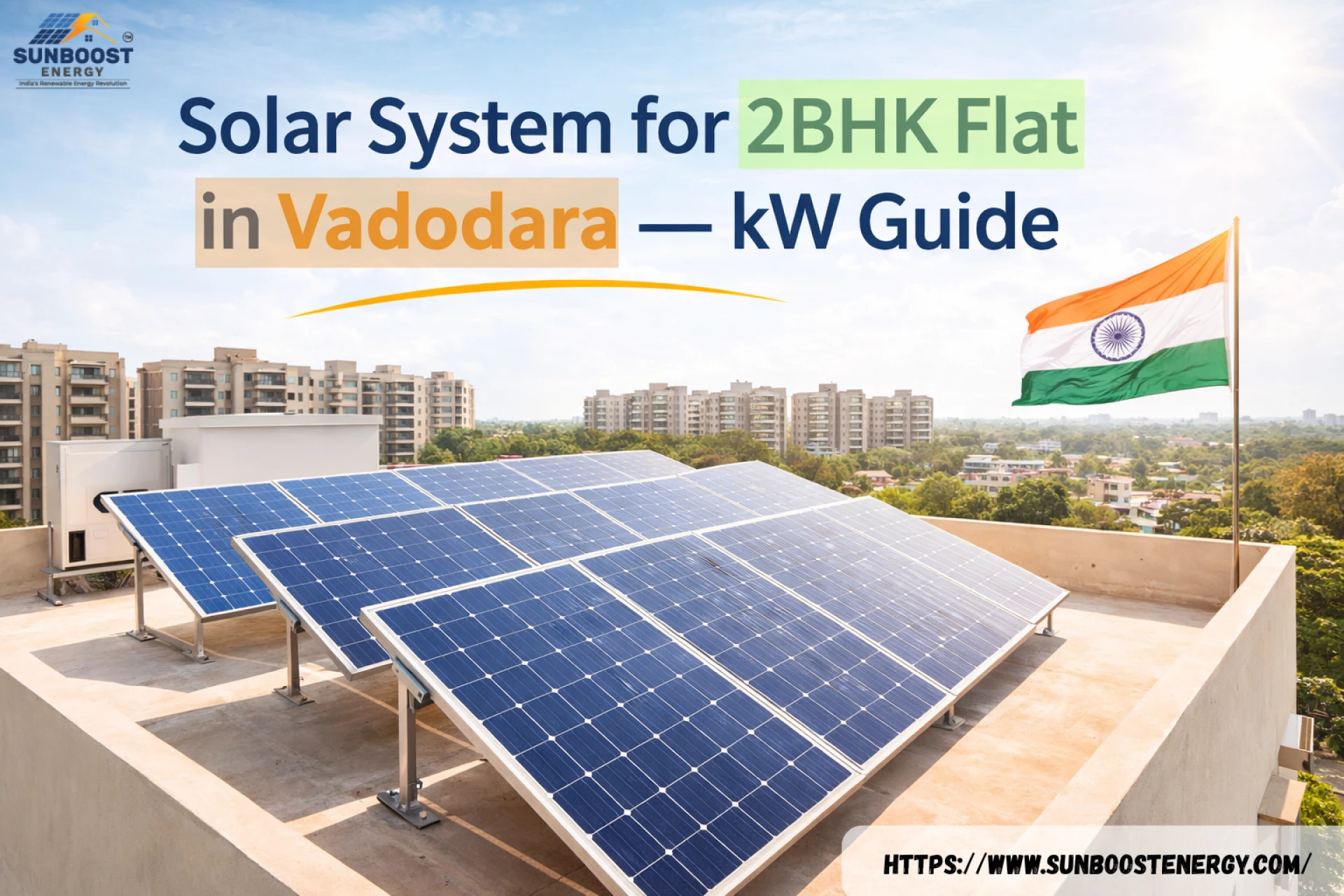
For a typical Indian household, especially a small to mid-sized family, a 3kW solar system is often enough to cover daily electricity needs.
It supports:
- Fans, lights, and refrigerator
- Washing machine and TV
- Moderate AC usage
This size strikes a balance between cost, space, and performance making it a popular choice among middle-class homeowners.
Solar for Apartment Living
Earlier, solar was mostly limited to independent houses. But now, even apartment residents are benefiting.
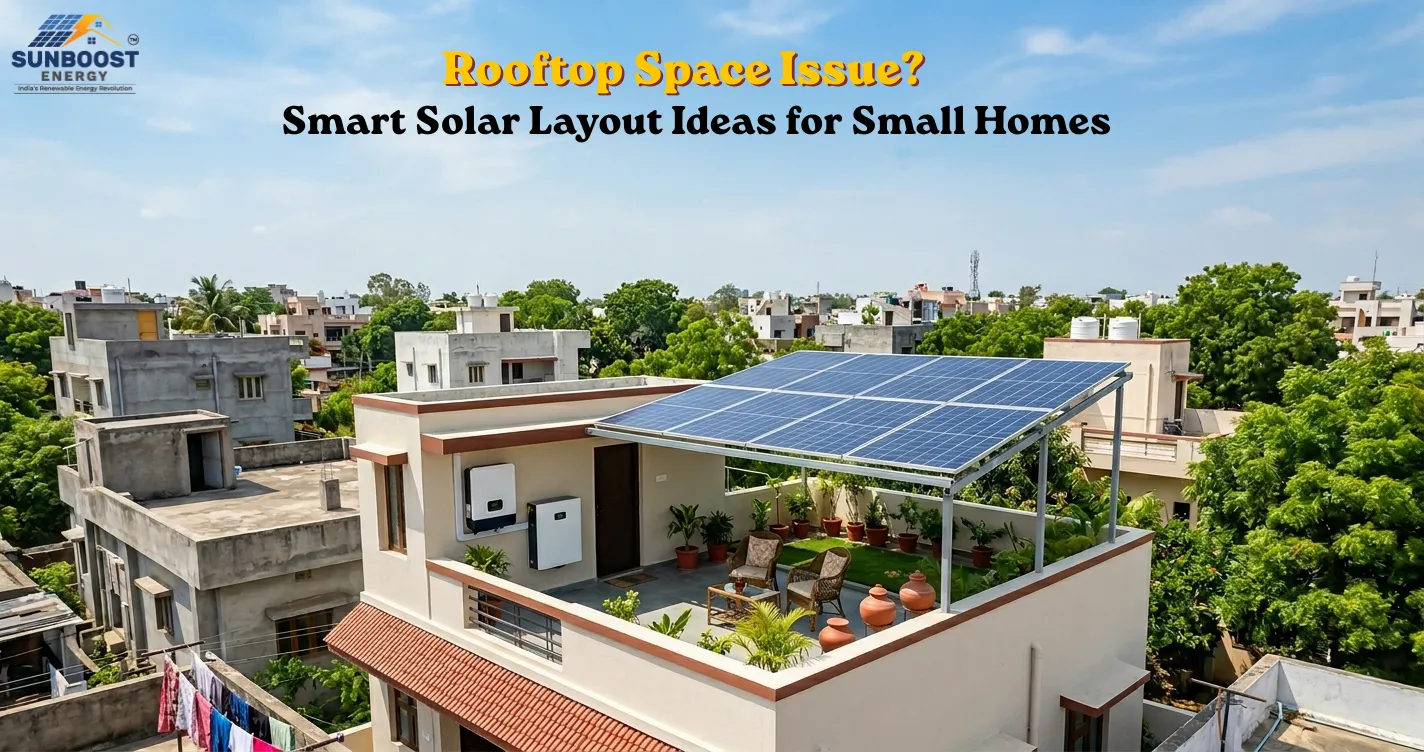
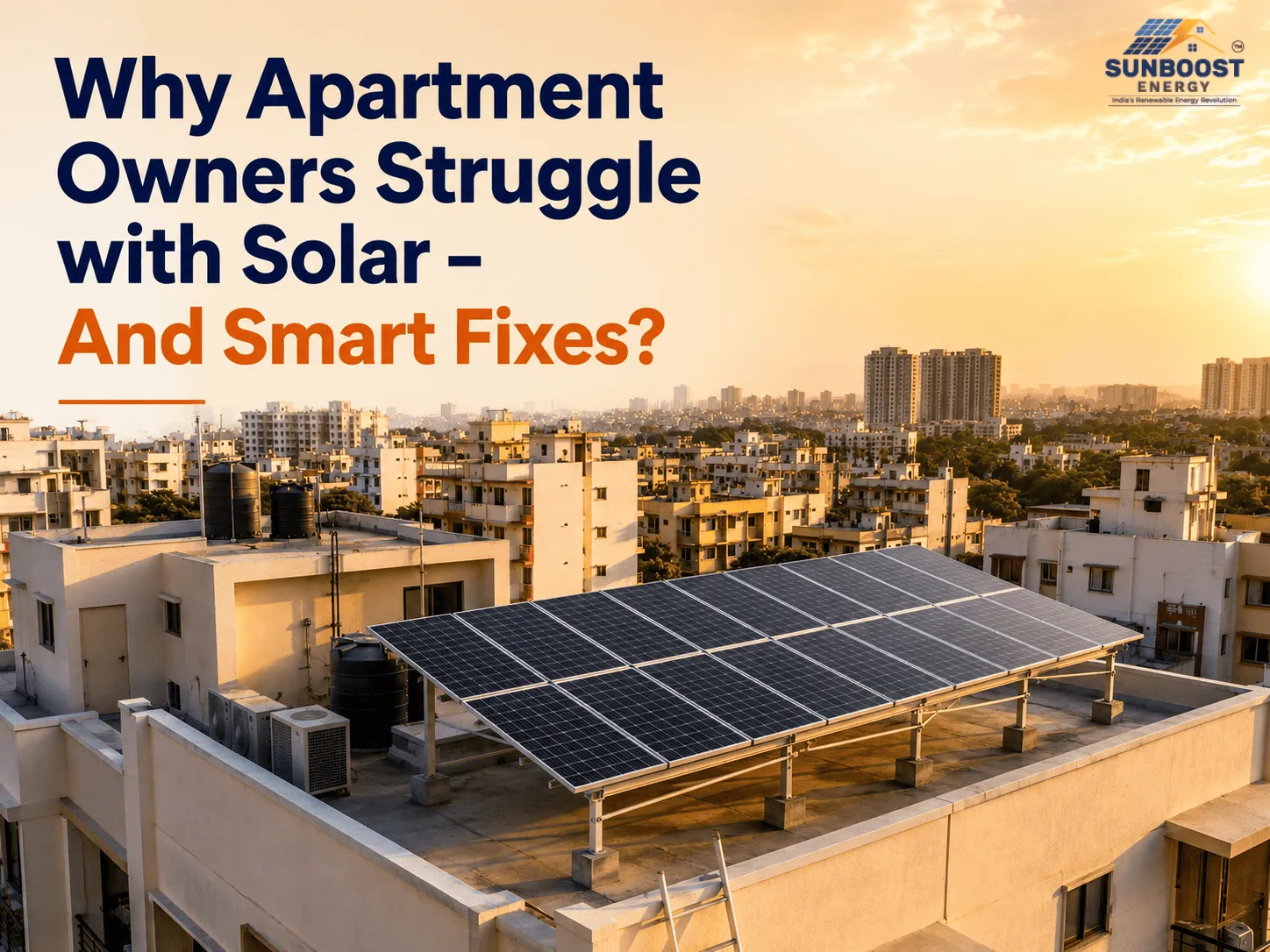
With solutions like Solar Panels for Apartments, housing societies can use shared rooftop space to generate electricity for common areas or even individual consumption.
This shift is helping more urban families adopt solar without needing independent rooftops.
Supporting Smaller Families & Senior Citizens
Solar is not just about savings it also adds convenience and peace of mind.
For smaller households and older residents, managing monthly expenses becomes easier when electricity costs are reduced. Many families are now exploring Solar installation for senior citizens as a way to simplify living expenses and reduce dependency on fluctuating bills.
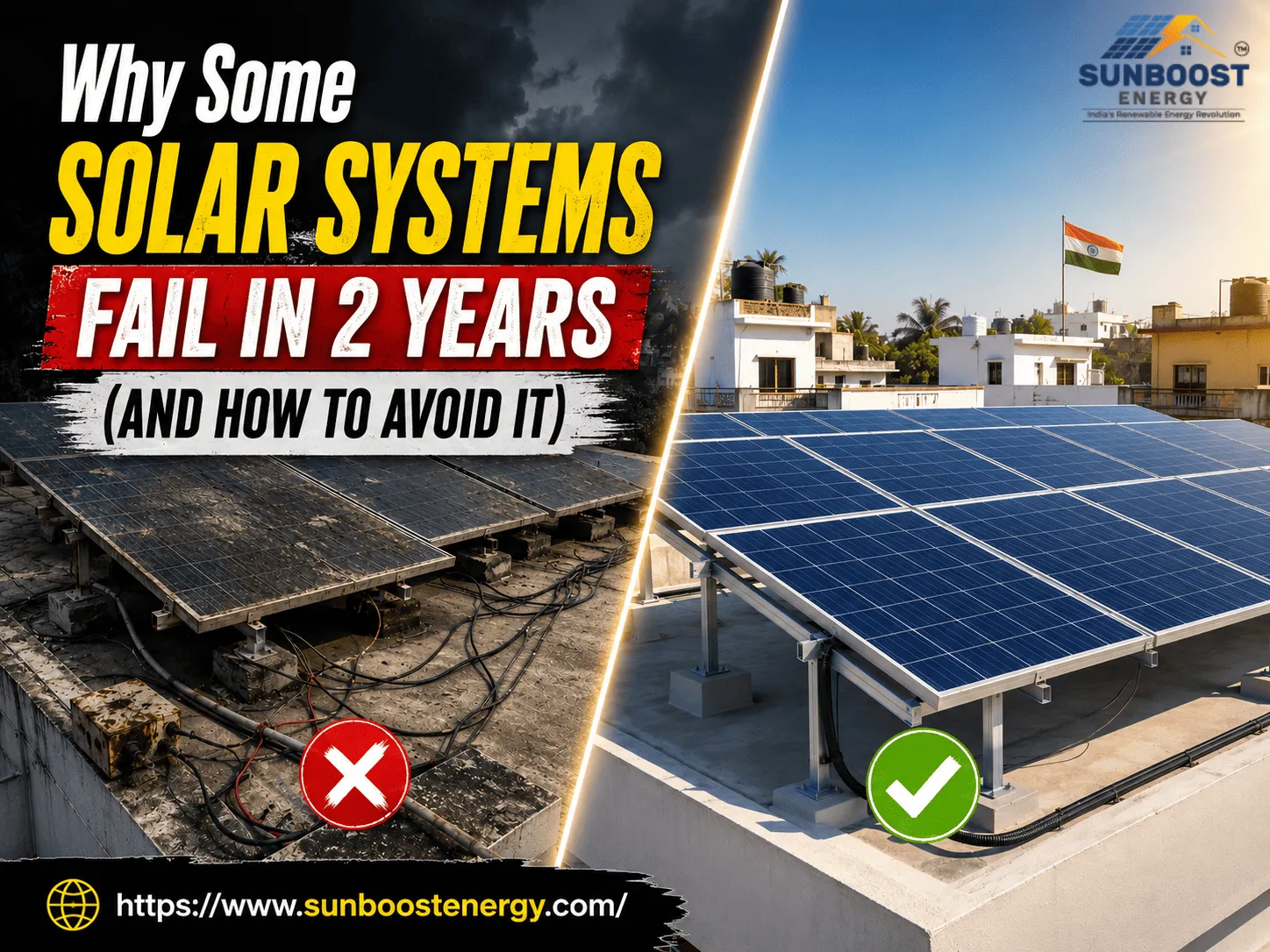
Once installed, solar systems require minimal maintenance, making them suitable for all age groups.
A Step Towards Energy Independence
Middle-class families are increasingly valuing independence whether it’s financial or energy-related.
Solar provides a sense of control. You’re no longer fully dependent on external electricity supply or rising tariffs. Instead, your home becomes a small energy generator.
This shift may seem small at first, but over time, it changes how families think about energy consumption.
Changing Mindset: From Expense to Investment
The biggest transformation is not just financial, it’s mental.
Electricity was always seen as a recurring expense. Solar changes that perspective. It turns your spending into an investment that delivers returns every month in the form of savings.
And in a country like India, where sunlight is abundant, this investment continues to pay off for years.
Final Thoughts
Solar is quietly transforming middle-class living in India. It’s helping families reduce expenses, plan better, and move towards a more stable financial future.
Whether it’s a small home or an apartment, solar is no longer out of reach. With the right system and proper guidance of Sunboost energy, it has become one of the most practical upgrades a household can make today.























Sign in to leave a comment.