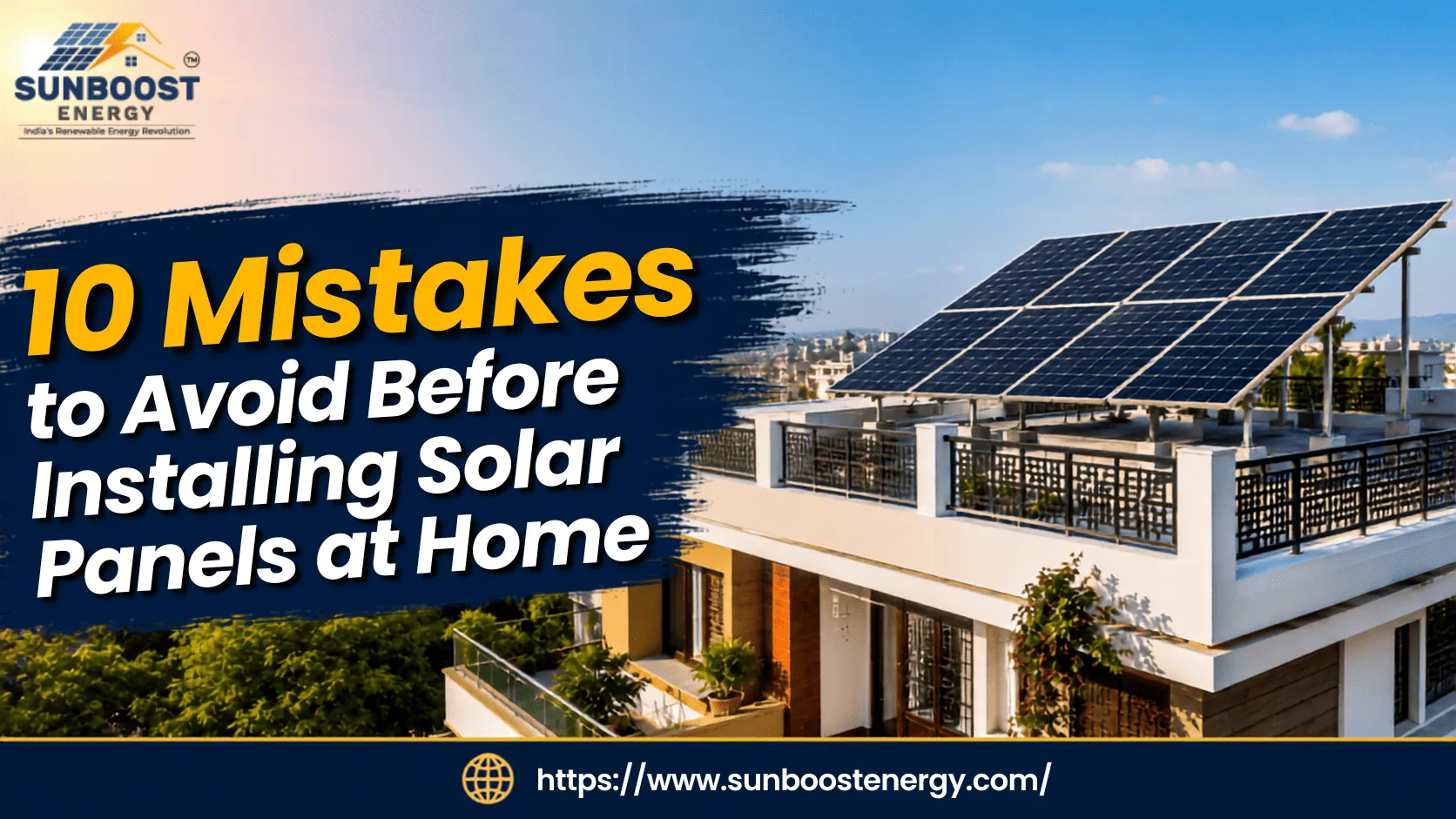

Installing solar panels is a big step towards lowering your electricity bills and using cleaner energy at home. But choosing solar is not just about buying a few panels and placing them on the roof.
The decisions you make before installation can affect your system’s performance, savings, and reliability for years. If you’re planning to install a Rooftop Solar System, here are 10 common mistakes worth avoiding.
1. Choosing a Solar System Based Only on Price
Everyone wants a good deal, but the cheapest solar quote is not always the best choice.
A low price may come with compromises in panel quality, inverter performance, mounting structure or installation work. Instead of comparing quotes only by their final price, check exactly what equipment, warranties and services are included.
Think about what the system will deliver over its full working life, not just what it costs today.
2. Selecting the Wrong Solar System Size
A bigger solar system does not automatically mean bigger savings.
Your ideal system size depends on your electricity consumption, available roof space, and how your household uses electricity. For example, a family with moderate electricity usage may have very different requirements from a home running with multiple air conditioners and other high-consumption appliances.
Review your recent electricity bills before deciding between a 3kW, 4kW, 5.5kW or another system size.
3. Ignoring Your Roof Condition
Solar panels are designed to stay on your roof for many years, so the roof underneath them matters.
Before installation, check for damaged tiles, cracks, leakage, corrosion, or structural problems. If your roof needs major repairs shortly after the solar installation, removing and reinstalling panels can create unnecessary work and expense.
Get the roof checked first, especially on an older property.
4. Not Checking Shade Throughout the Day
A roof might look sunny when you inspect it at noon but receive considerable shade in the morning or evening.
Nearby buildings, trees, water tanks, and other structures can block sunlight and affect solar generation. Shade patterns can also change depending on the season.
A proper site assessment helps determine where your panels should be installed for better exposure to sunlight.
5. Buying Without Understanding Your Electricity Usage
One of the most common Solar Mistakes is choosing a system without understanding when and how electricity is being used at home.
Look beyond the total amount on your electricity bill. Consider whether most electricity is consumed during daytime or evening hours and whether your consumption is likely to increase.
Planning to add an EV, new air conditioners or additional appliances? Tell your solar provider before the system is designed.
6. Focusing on Panels but Ignoring the Inverter
Panels usually get most of the attention, but your inverter is equally important to the overall system.
It converts the electricity produced by your solar panels into electricity your home can use. Check the inverter’s capacity, warranty, efficiency, and compatibility with the proposed system.
Also ask where it will be installed and whether monitoring features are included.
7. Assuming Every Roof Needs the Same Design
Two houses with similar electricity bills may still need completely different solar layouts.
Roof direction, usable area, shading, structure and local conditions all influence system design. A standard package can be a useful starting point, but it shouldn’t replace a property-specific assessment.
A well-planned system should be designed around your home, rather than forcing your home to fit a standard layout.
8. Not Understanding Subsidy Eligibility and Process
Government solar subsidies can make residential rooftop solar more affordable for eligible homeowners in India. However, eligibility and application requirements need to be understood before proceeding.
Don’t assume every solar system, installer, or installation automatically qualifies for a solar subsidy. Check out the current government requirements, approved processes, and required documentation before making your decision.
If subsidy eligibility matters to your budget, discuss it clearly with your installer at the quotation stage.
9. Skipping Warranty and After-Sales Support Questions
Solar is a long-term investment. What happens after installation deserves just as much attention as what happens on installation day.
Ask about product warranties, installation workmanship, inverter support, and the process for reporting a problem.
Working with an experienced solar company such as Sunboost Energy also gives you someone to speak with when you need guidance about system design, installation or post-installation support.
10. Installing Solar Without Comparing the Full Proposal
Don’t sign a solar quotation without understanding what you are actually getting.
Your proposal should clearly explain the system’s capacity, panel and inverter specifications, expected installation scope, warranties, mounting structure, and applicable charges. You should also understand the expected generation instead of relying on unrealistic promises of a “zero electricity bill.”
Ask questions until everything is clear. A good solar provider should be comfortable explaining the proposal in simple terms.
Make the Right Solar Decision for Your Home
Installing solar can be a smart long-term move for Indian homeowners, but good results begin well before the panels reach your roof.
Start by understanding your electricity consumption, roof conditions, and future energy needs. Then compare system quality, installation standards, warranties, and available support instead of making the decision on price alone.
Planning solar for your home? Get your roof and electricity usage assessed first to find the right solar system size for your needs.
























Sign in to leave a comment.