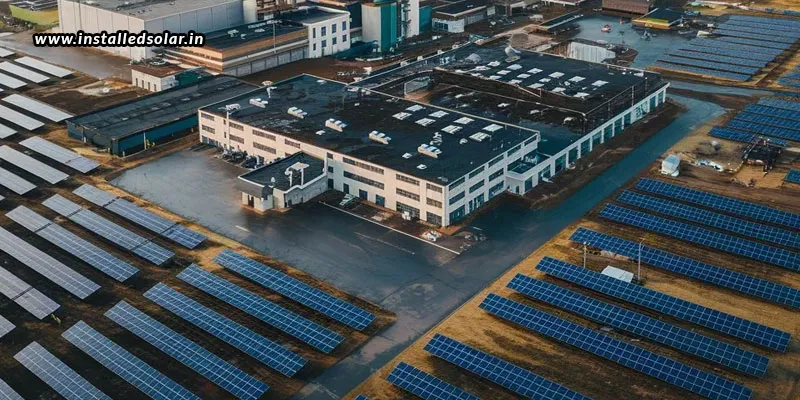

Manufacturing facilities are one of the most energy-intensive environments with heavy machinery, exhaustive production lines, compressed air units, immense lighting, and material handling equipment, all of which demand continuous and substantial power. With growing concerns about energy reliability, and the rising electricity tariffs, manufacturers are in pressure to control expenses, while maintaining productivity and competitiveness. But, with the invention of solar energy, manufacturers are now able to generate reliable, low-cost power on-site, while reducing dependence on the grid. Solar panels have emerged as a practical solution to all the aforementioned challenges, proving to be a strategic investment rather than merely a sustainability initiative.
Understanding energy as a major manufacturing cost
Energy expenses form a significant share of operating costs in manufacturing industries like automotives, electronics, engineering, chemicals, food processing, and textiles. Electricity is required for every operation and application in the manufacturing facilities like production, processing, heating and cooling systems, water systems, lighting across the large industrial floors, and other automation and control systems. With all such systems working together in manufacturing facilities, production cannot be possible without reliable power, and that means, lots of reliable power! As a result, manufacturers face high peak demand charges, and exposure to fluctuating grid tariffs. They may also have to face dependency on generators during outages. Solar panels address these demands by enabling manufacturers to generate electricity on-site, reduce grid dependence, stabilize energy expenses, and build a more reliable, cost-effective power strategy.
Direct reduction in electricity bills
The most noticeable and immediate effect of solar panels is the reduction in grid electricity usage during peak operating hours. By generating power on-site, factories can enhance their control over energy consumption, reduce reliance on external sources, and manage expenses more efficiently. The key advantages include:
- Substituting a considerable amount of grid electricity with self-produced energy
- Direct use of solar energy during daylight production hours
- Decreased monthly electricity costs due to reduced reliance on the grid
- Lower peak demand from the grid during periods of high production
Collectively, these benefits lead to significant operational savings. By reducing electricity purchased from the grid, solar panels enable manufacturers to stabilize expenses and realize long-term cuts in operational costs.
Protection against rising energy tariffs
Manufacturers that rely on grid supply are vulnerable to repeated tariff increases and peak-hour pricing that can directly affect production costs and thus, product pricing. Moreover, the energy cost uncertainty also makes long-term financial planning more difficult. But, with those relying on solar energy, the costs are reduced and long-term price stability is made possible, because –
- Sunlight serves as a freely accessible and plentiful energy resource
- The costs associated with system operation and maintenance remain relatively low after solar panels are installed
- Energy generation from solar panels can remain stable and predictable over their long operating life, subject to system performance and environmental conditions
This reliability protects manufacturers from fluctuations in tariffs and abrupt changes in the energy market. Moreover, it also facilitates more precise budgeting and enhances financial planning. For industries with narrow profit margins, having predictable energy expenses offers a significant competitive advantage, while promoting steady operational efficiency.
Improved efficiency meaning lower maintenance and replacement costs
Modern industrial solar installations are increasingly being integrated with energy management systems and advanced monitoring platforms, allowing manufacturers to enhance the efficiency of electricity usage throughout their operations. These tools offer real-time insights and control, assisting facilities in synchronizing energy consumption with solar panel generation to achieve optimal efficiency and cost reductions. The key features include:
- Scheduling energy-intensive activities during peak solar production times
- Identifying equipment that is inefficient or underperforming
- Monitoring patterns of energy consumption and load discrepancies
- Tracking equipment performance using SCADA and IoT-based systems
This data-driven strategy minimizes energy waste, boosts operational efficiency, and prolongs the lifespan of equipment. Over time, it also reduces maintenance requirements and replacement expenses, leading to greater overall operational savings.
Lower cooling and infrastructure costs
Large factory roofs that are constantly exposed to sunlight tend to absorb a considerable amount of heat throughout the day, which raises indoor temperatures and increases the dependence on cooling systems to ensure safe and productive working environments. This additional thermal load results in higher electricity usage and accelerates the wear and tear on HVAC systems. Solar panels can mitigate this problem by providing a layer between the roof and direct sunlight, potentially reducing heat transfer into the building. The advantages include:
- Reduced HVAC energy usage during peak daytime hours
- Enhanced indoor comfort and more consistent working conditions
- Decreased mechanical stress and prolonged lifespan of cooling systems
These potential thermal benefits can contribute to operational savings, improvements in energy efficiency, and increased equipment longevity – benefits that are frequently overlooked when evaluating the broader value of solar panels.
Increased asset value and long-term ROI
Solar panels are designed to be long-lasting energy assets, typically operating for 25 years or more with gradual performance decline over time. After the payback period, which varies depending on factors such as system size, electricity consumption, tariffs, financing, and site conditions, the electricity produced becomes a very affordable energy resource. This change transforms energy costs from a variable operational expense into a stable financial benefit that aids in long-term planning. Long-term benefits include:
- Enhanced return on assets through ongoing reductions in energy costs
- Stronger financial statements bolstered by decreased operating expenses
- Higher facility valuation resulting from integrated energy systems
Solar panels effectively convert a recurring operating cost into a valuable long-term energy asset, providing consistent financial benefits, enhancing cash flow stability, and fortifying overall operational resilience.
As you can see, by lowering electricity expenses, shielding against tariff hikes, and boosting energy efficiency, solar panels can directly decrease operating costs. For manufacturers aiming for cost control, resilience, and long-term competitiveness, solar power is not just an alternative energy source; it is a transformative asset that redefines energy economics and enhances industrial performance. As energy needs continue to rise, incorporating solar panels into industrial operations stands as one of the effective measures for achieving stable costs, operational reliability, and sustainable growth, while strengthening a company’s reputation as an environmentally responsible leader.
For businesses considering solar panels for their facilities, choosing the right installation partner is equally important for achieving reliable performance and long-term savings. Professional solar panel installation in Banashankari from iNSTALLED can help ensure that the panels are appropriately selected, positioned, and integrated with the facility’s energy requirements.
Resource: How Solar Panels Reduce Operational Costs In Manufacturing Facilities

























Sign in to leave a comment.