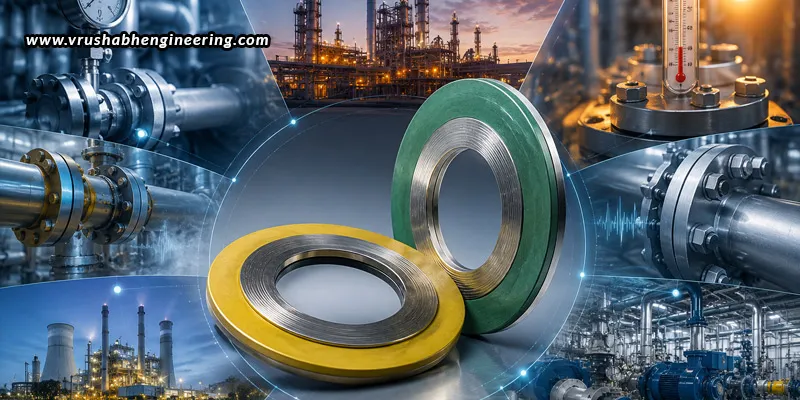

Industrial systems frequently encounter varying operating conditions, such as pressure changes, temperature shifts, vibrations, and mechanical stress. In sectors like oil and gas, chemical processing, power generation, and manufacturing, sealing components must sustain their performance despite these challenges. A gasket should not only create an effective seal upon installation but also adjust throughout its operational life. Spiral wound gaskets are engineered for this purpose, integrating metal windings and filler materials to provide strength, flexibility, and recovery. Their distinctive design accommodates thermal expansion, pressure fluctuations, and mechanical movement, ensuring long-term sealing reliability while minimizing the risk of leaks or downtime.
Understanding the challenges of changing operating conditions
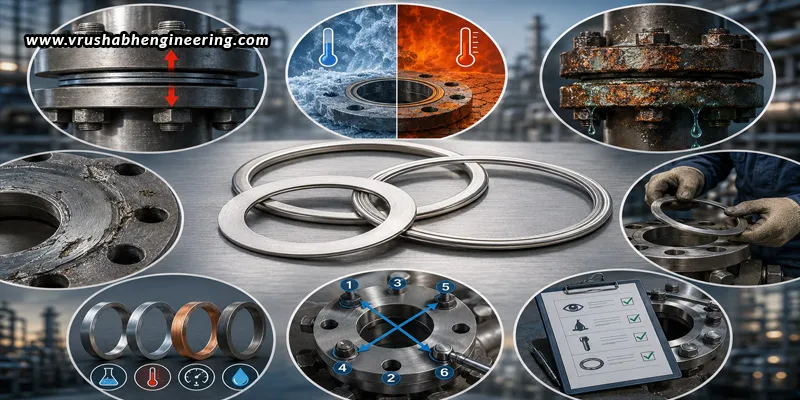
Industrial equipment undergoes constant changes during operation. Even systems built for consistent performance face variations that impact flange joints and sealing components. Some prevalent operational challenges include:
- Temperature variations
- Pressure fluctuations
- Thermal expansion and contraction
- Vibration and mechanical movement
- Bolt relaxation
- Equipment start-up and shutdown cycles
Each of these elements can affect the forces acting on a gasket. Over time, these variations may diminish compression, modify sealing stress, or create pathways for leaks. Consequently, a dependable gasket must possess the capability to adapt to these changes without compromising its sealing effectiveness.
The importance of adaptability in industrial sealing
A gasket that functions effectively only under optimal conditions may not deliver dependable service in actual industrial settings. During operation, flange components inherently undergo movement. For instance, as temperatures rise, pipes and equipment expand. Conversely, when temperatures fall, they contract. Fluctuations in pressure can also introduce additional forces within the joint. If a gasket is overly rigid, it may fail to accommodate these movements. On the other hand, if it lacks sufficient structural integrity, it may deform excessively and compromise its sealing capability. The ideal gasket must strike a balance between flexibility and durability. Spiral wound gaskets are specifically engineered to achieve this equilibrium. Their design enables them to absorb changes while sustaining the sealing pressure necessary for preventing leaks.
How spiral wound gaskets are designed for changing conditions
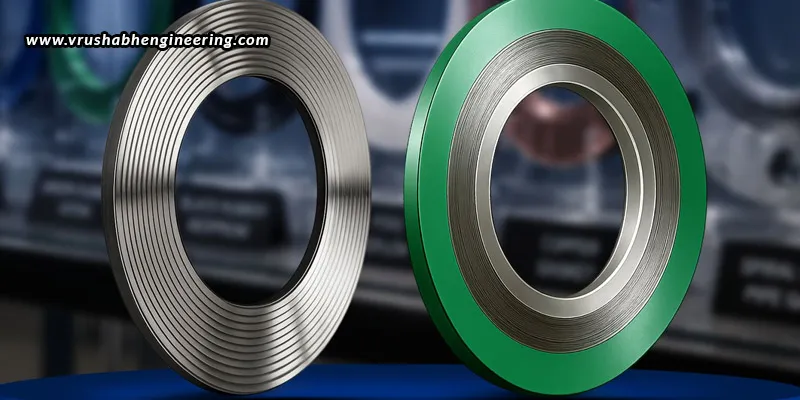
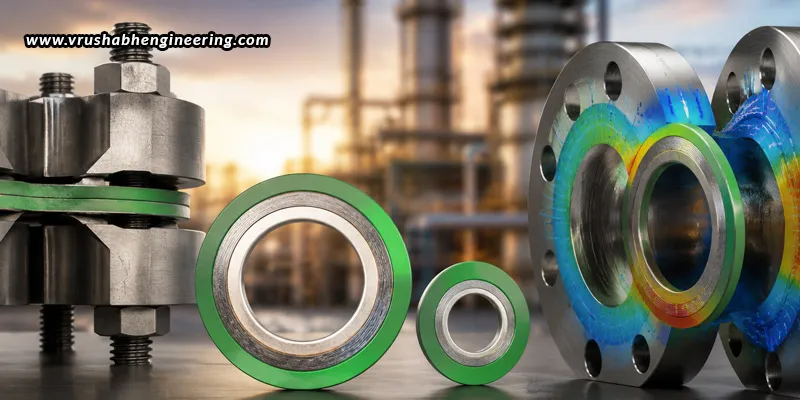
The effectiveness of spiral wound gaskets stems from their distinctive layered design. These gaskets are produced by winding alternating layers of metallic strips and soft filler materials. The metal winding imparts mechanical strength and resilience, while the filler material contributes flexibility and sealing effectiveness. This combination enables the gasket to adapt to flange surface irregularities and maintain sealing pressure during movement. It also withstands deformation under pressure and temperature fluctuations, recovering after changes in compression. Unlike basic soft gaskets or rigid sealing materials, spiral wound gaskets can dynamically respond to varying conditions while ensuring consistent sealing performance, enhanced reliability, and prolonged service life in challenging industrial environments.
For industries in Bahrain requiring reliable sealing solutions, Vrushabh Engineering is a trusted spiral wound gasket manufacturer for Bahrain, offering precision-engineered gaskets with quality materials and advanced manufacturing. The company delivers durable sealing solutions for oil and gas, petrochemical, power, and industrial applications.
- Managing temperature fluctuations
Temperature fluctuations represent one of the primary challenges encountered by industrial sealing systems. Numerous industrial processes involve cycles of heating and cooling, which lead to the expansion and contraction of pipes, flanges, bolts, and pressure vessels. These movements can affect gasket compression and diminish sealing pressure, potentially resulting in leaks. Spiral wound gaskets effectively manage thermal variations due to their resilient layered design. The metal windings offer elastic support, enabling the gasket to adapt to dimensional changes, while the filler material ensures surface contact by conforming to small gaps and imperfections. This capacity to endure thermal cycling makes spiral wound gaskets particularly suitable for demanding applications such as steam systems, heat exchangers, boilers, and industrial processing equipment.
- Addressing pressure variations
Industrial systems frequently encounter fluctuating pressure conditions during standard operations. Pressure levels may rise during production cycles and fall during shutdowns or maintenance activities. Abrupt pressure changes can impose additional stress on flange connections. A gasket must endure these forces while ensuring a reliable seal. Spiral wound gaskets are designed to manage pressure variations due to their robust metallic reinforcement. The metal winding aids in preventing excessive deformation, while the filler material preserves sealing contact. This combination allows the gasket to maintain structural integrity and resist pressure-induced stress while accommodating changing loads. This capability is particularly crucial for high-pressure applications, as even minor seal failures can lead to significant operational issues.
- Adapting to thermal cycling
Thermal cycling presents significant challenges as it repeatedly alters the physical dimensions of the flange assembly. For instance, during heating, the flanges expand, bolts elongate, and the compression of the gasket changes. Conversely, during cooling, the components contract, joint pressure fluctuates, and sealing conditions vary. These repeated cycles can lead to gasket relaxation if the sealing material fails to recover effectively. Spiral wound gaskets are engineered to endure these continuous changes. The metal winding serves as a flexible reinforcement system that adapts to movement, while the filler material upholds the sealing barrier. This synergy mitigates the effects of thermal cycling and ensures dependable performance over prolonged periods.
- Absorbing vibration and mechanical movement
Many industrial systems feature equipment that produces continuous vibrations, which can impact the stability of flange connections. Continuous mechanical movement may lead to minor shifts between connected components, diminishing gasket compression and weakening the seal over time. Spiral wound gaskets are engineered to address these issues with their flexible yet robust design. The filler material aids in absorbing minor movements and surface irregularities, while the metal winding offers structural integrity and resistance to deformation. This combination enables the gasket to sustain consistent sealing pressure even amidst vibration and mechanical stress. Consequently, spiral wound gaskets are extensively utilized in scenarios where equipment movement and dynamic operating conditions are inevitable.
- Elastic recovery
One of the key features that enables spiral wound gaskets to adapt to varying conditions is their elastic recovery. Elastic recovery is defined as the gasket’s capacity to partially revert to its original shape after experiencing compression changes. During operation, the compression of the gasket can fluctuate due to factors such as thermal expansion, pressure variations, bolt relaxation, and mechanical movement. A gasket with effective elastic recovery can adjust its shape slightly to accommodate these changes, thereby preserving the contact pressure between the gasket and flange surfaces. If the recovery capability is inadequate, the gasket may gradually lose its sealing stress, which heightens the risk of leakage. The spring-like properties of the metal winding in spiral wound gaskets provide the necessary recovery for sustained sealing performance.
- Addressing bolt relaxation
Bolts in flange assemblies inevitably undergo some relaxation over time due to fluctuations in temperature, mechanical stress, and material behaviour. This gradual decrease in bolt load can influence gasket compression and jeopardize sealing efficiency. Spiral wound gaskets effectively tackle this issue with their remarkable recovery properties. When compression diminishes, the gasket can partially regain its original thickness and continue exerting pressure against flange surfaces. This capability allows the gasket to adjust for bolt relaxation and uphold a dependable seal throughout its operational lifespan. By mitigating the risk of leakage resulting from decreased bolt load, spiral wound gaskets enhance the safety and efficiency of industrial operations.
Evolving operating conditions present a continual challenge in industrial systems; however, effective sealing solutions can mitigate performance problems. Spiral wound gaskets are engineered to accommodate variations in temperature, pressure, vibration, and mechanical movement while ensuring a dependable sealing force. The blend of metallic strength and flexible filler materials allows for recovery after compression changes and aids in absorbing operational stresses. When proper material selection, precise manufacturing, and correct installation are employed, spiral wound gaskets provide enduring sealing performance in demanding applications. Their versatility, durability, and reliability render them a favoured option across industries where safety, efficiency, and seamless operations are critical.
Resource: How Spiral Wound Gaskets Adapt To Changing Operating Conditions

























Sign in to leave a comment.