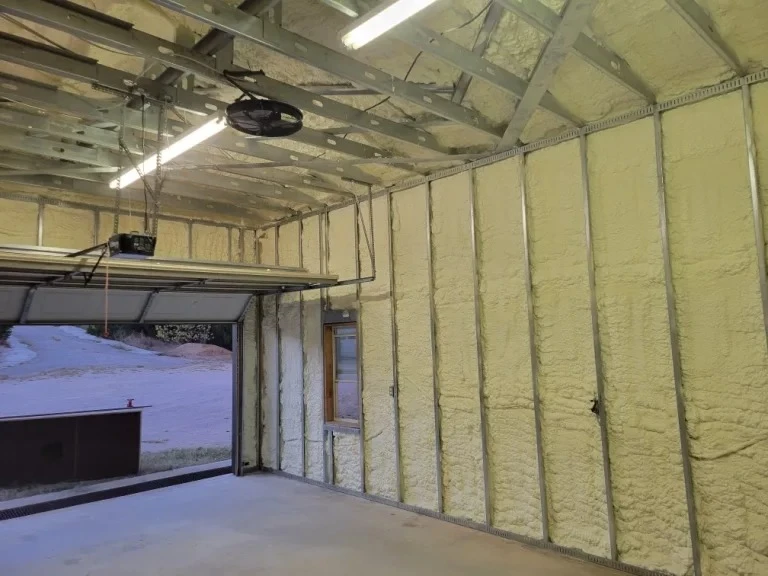

Spray foam remains a reliable choice for insulation because it maintains structural integrity under extreme weather conditions. Its closed-cell composition provides superior resistance to moisture, wind, and temperature fluctuations. This ensures that homes and buildings retain energy efficiency and structural stability even during heavy storms or freezing winters. Spray Foam experts design and apply it to create a continuous barrier, reducing gaps where air or water could penetrate.
Understanding why spray foam performs well in harsh climates is crucial for property owners and Spray Foam insulation contractor. This article explores its durability, practical applications, and guidance for making informed insulation decisions. Readers will gain insights into material choices, climate considerations, and long-term performance.
How Spray Foam Maintains Strength in Extreme Conditions
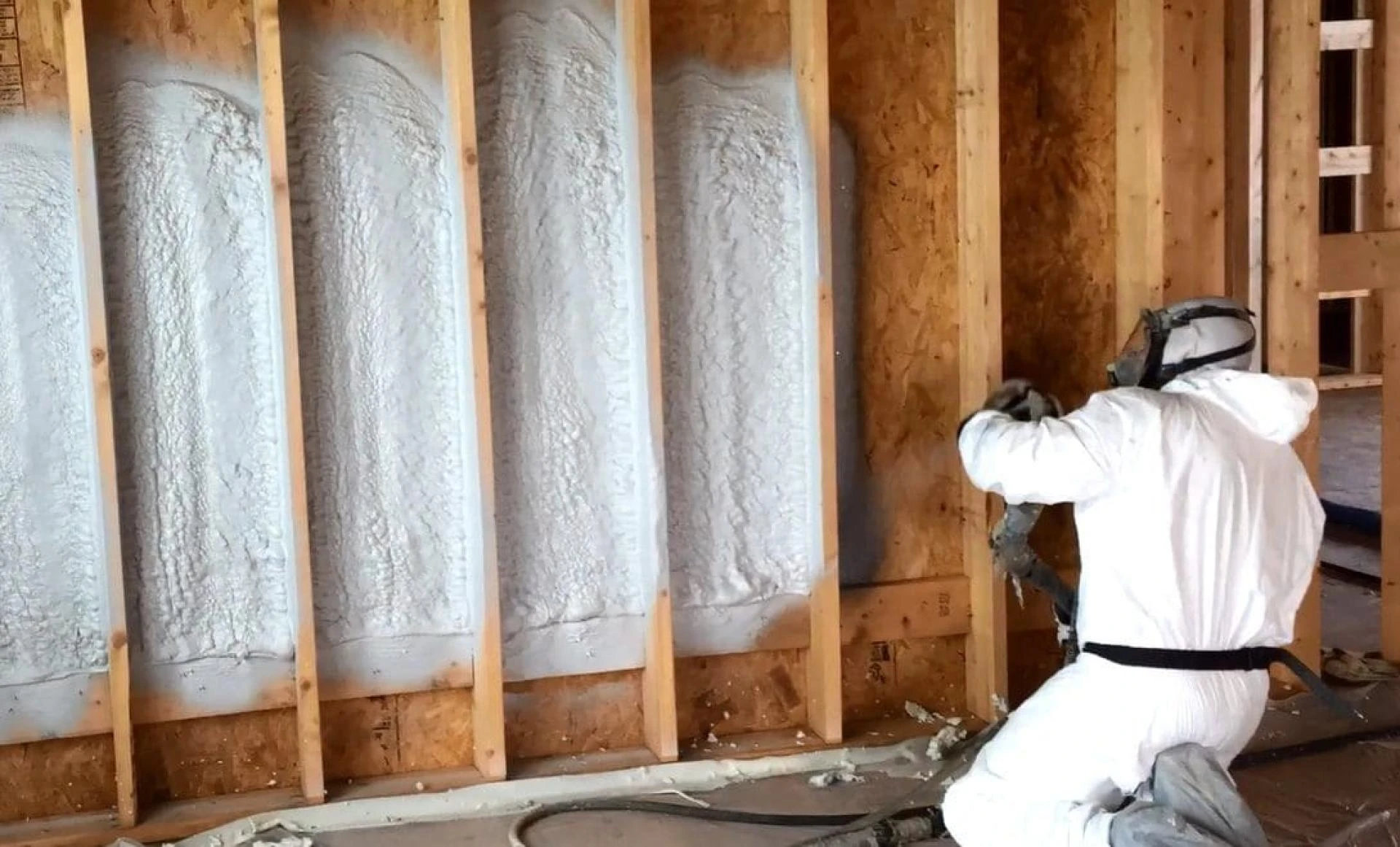
Spray foam maintains strength through its unique structure and application method. When applied, it expands and adheres tightly to surfaces, forming a seamless insulation layer. This tight seal prevents water intrusion and air leakage, which are primary causes of structural damage in harsh weather.
Resistance to Water and Moisture
Water can weaken conventional insulation, leading to mold and decay. A Spray Foam contractor emphasizes that closed-cell spray foam has low water absorption and high density. It acts as a vapor barrier, protecting roofs, walls, and foundations from moisture-related damage.
Temperature Stability
Spray foam adapts to both hot and cold extremes. Its insulating properties reduce heat transfer, keeping interiors warmer in winter and cooler in summer. Unlike traditional insulation, it does not sag, settle, or lose shape under temperature swings.
Impact on Energy Bills
A properly installed spray foam system can reduce energy bills by minimizing heat loss or gain. Homes in regions with harsh winters or hot summers often see up to 20% lower energy costs with spray foam insulation.

Comparing Spray Foam Types
Choosing the right spray foam requires understanding its density, R-value, and application method. Closed-cell spray foam is denser and offers better moisture resistance than open-cell foam.
| Feature | Open-Cell Spray Foam | Closed-Cell Spray Foam |
|---|---|---|
| Density | Low | High |
| R-Value per inch | 3.5 | 6.5 |
| Moisture Resistance | Low | High |
| Structural Support | Minimal | Significant |
| Cost | Lower | Higher |
Bonus Tips
- Closed-cell spray foam is ideal for areas prone to flooding or heavy snow.
- Open-cell spray foam is better for interior walls where moisture control is less critical.
Things to Consider Before Making a Decision
Before selecting spray foam insulation, contractors should weigh several factors:
- Climate – Consider regions with heavy rain, snow, or heat extremes. Closed-cell foam offers superior protection in these conditions.
- Structural Load – Some buildings may benefit from the added rigidity of closed-cell foam.
- Budget – Closed-cell foam has higher upfront costs but can reduce long-term repair and energy expenses.
- Application Surface – Certain surfaces may require primers or surface preparation for optimal adhesion.
Local Regulations
Contractors should verify local building codes and standards. Some regions have specific requirements for vapor barriers, fire resistance, or insulation thickness.
Installation Best Practices
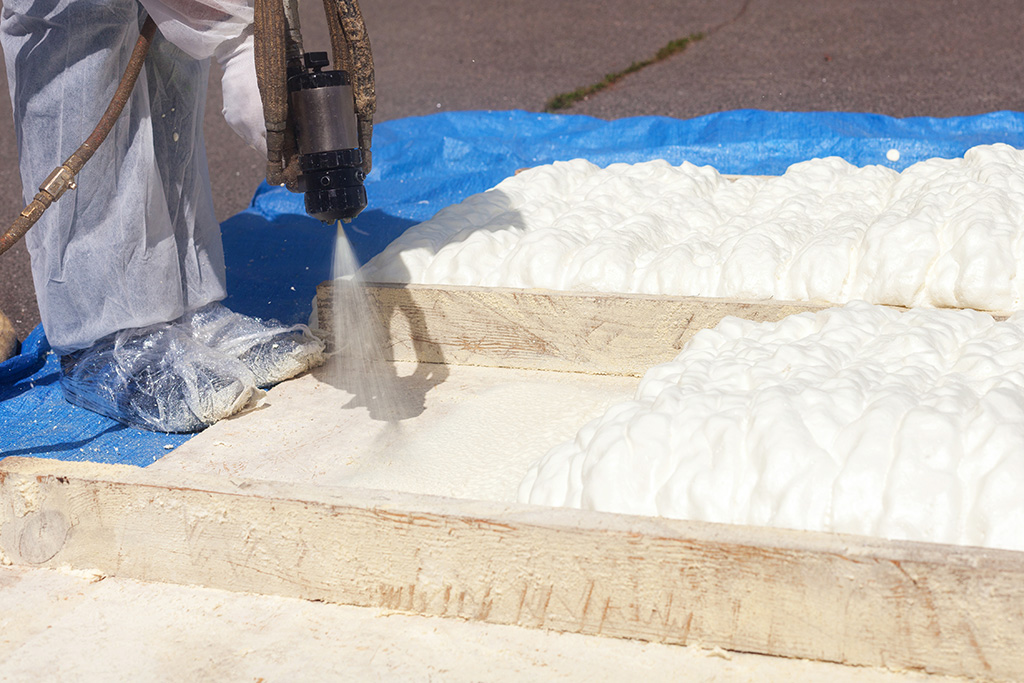
Proper installation is key to spray foam performance. Experienced Spray Foam experts follow strict protocols:
- Surface preparation and cleaning to ensure adhesion.
- Correct mixing and temperature control of materials.
- Layered application to control expansion and prevent gaps.
- Regular inspection during installation to maintain uniform coverage.
Bonus Tips
- Avoid installation in high humidity unless using moisture-tolerant formulations.
- Protective gear and ventilation are essential during application.
Maintaining Spray Foam Performance
Spray foam is low maintenance but benefits from periodic inspections:
- Check for visible cracks or shrinkage in exposed areas.
- Ensure roof penetrations and seams remain sealed.
- Clean vents and nearby surfaces to prevent debris accumulation.
Additional Considerations for Contractor
- Ensure the insulation thickness meets local building codes for thermal performance.
- Use high-quality equipment to avoid uneven expansion or material waste.
- Plan for proper ventilation in enclosed spaces to prevent condensation.
Conclusion
Spray foam remains a strong and reliable insulation choice in harsh weather due to its sealing ability, moisture resistance, and structural support. Proper selection between open-cell and closed-cell types, along with professional installation, ensures longevity and energy efficiency. Contractors and property owners should evaluate climate, budget, and building requirements to make the best decision.
Next Steps for Property Owners
For guidance on spray foam selection, application techniques, and maintenance, contacting experienced professionals is recommended. Spray Foam Tech provides expert Spray Foam services and consultation for all climates. They can be reached via email at [email protected] or phone at (737) 777-9590 to discuss tailored insulation solutions.
Questions People Ask About Spray Foam
What makes spray foam more durable than traditional insulation?
Spray foam forms a continuous, sealed layer that resists moisture, wind, and temperature changes. This structural adherence prevents gaps and degradation over time.
Can spray foam handle heavy rain or snow?
Yes, closed-cell spray foam has high moisture resistance and adds structural support, making it suitable for roofs and exterior walls in harsh weather.
How long does spray foam last in extreme conditions?
With proper installation, spray foam can last 20 to 30 years, retaining its insulating properties and maintaining structural integrity.
Is spray foam suitable for all climates?
Closed-cell spray foam is ideal for wet or cold climates, while open-cell foam can work in moderate conditions where moisture control is less critical.
Do contractors need special training to install spray foam?
Yes, professional training ensures correct application, material handling, and safety compliance. Certified Spray Foam experts provide consistent and effective results.
Reviewer: Maria Lopez reviewed the article and brought 12 years of insulation industry experience to improve the guidance. Practical tips were added, and the content was made clearer and more useful for contractors working in the field every day.



























Sign in to leave a comment.