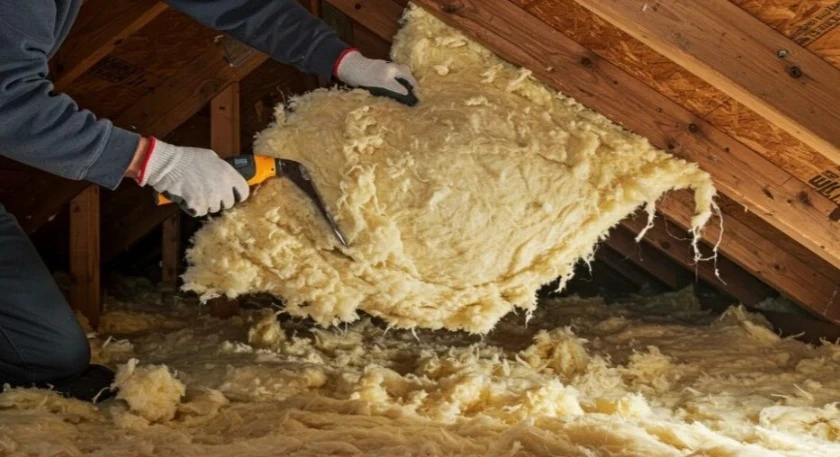

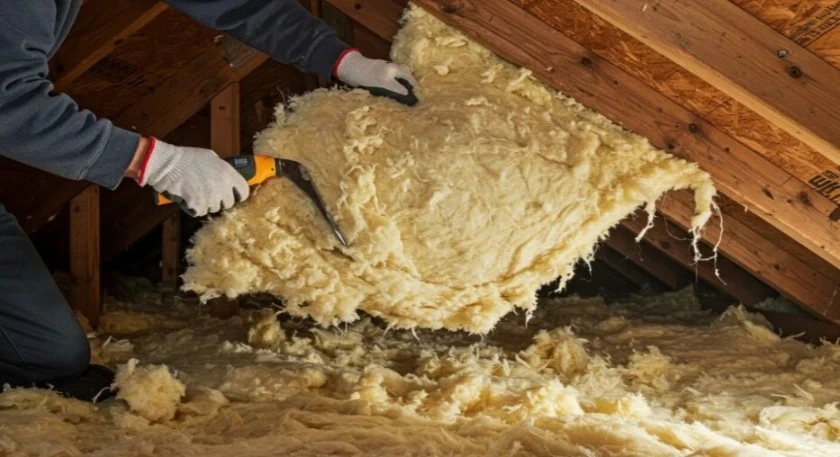
Insulation Removal plays a key role in achieving net zero energy goals by improving building efficiency and enabling upgraded insulation systems. Removing old or damaged insulation reduces energy waste, prevents air leaks, and allows for the installation of high-performance materials that lower heating and cooling demands.
By carefully planning Insulation Removal services, property owners and contractors can optimize energy performance while reducing environmental impact. This guide explains the process, benefits, and considerations to support sustainable building goals.
The insights reflect best practices from Insulation Removal experts with extensive experience in energy-efficient construction and building retrofits.
Why Insulation Removal Matters for Net Zero
Buildings consume significant energy through heating, cooling, and ventilation. Old or degraded insulation reduces effectiveness, increasing energy usage. Insulation Removal services remove barriers to performance, enabling modern materials to perform optimally.
Replacing or upgrading insulation after removal can reduce energy consumption by up to 30%, supporting net zero targets in residential and commercial buildings.
Step-by-Step Insulation Removal Process
A structured approach ensures safety, efficiency, and compliance with environmental standards.
Assessment and Planning
- Inspect insulation condition and identify materials
- Determine the best removal method for the type of insulation
- Plan for disposal and recycling of old insulation
Safety Precautions
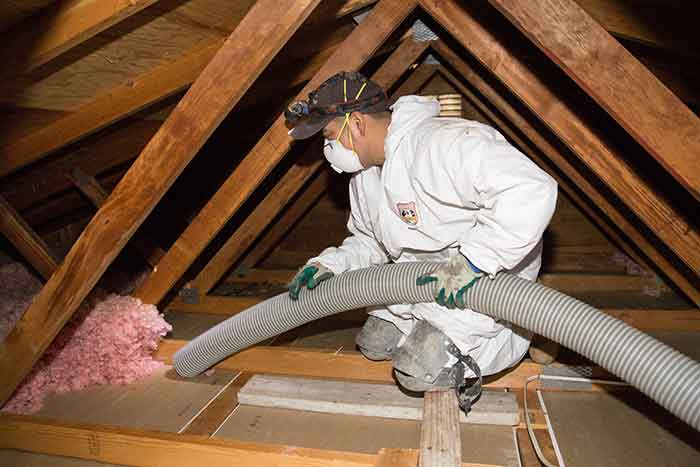
- Wear protective gear including masks and gloves
- Ensure proper ventilation during removal
- Contain dust and debris to prevent contamination
Actual Removal
- Use vacuum systems, hand tools, or mechanical equipment depending on material
- Remove all compromised insulation while avoiding structural damage
- Segregate recyclable material for proper disposal
Cleanup and Preparation
- Clean surfaces thoroughly to remove dust and residue
- Repair any damaged areas before installing new insulation
- Document the removal process for compliance and verification
Bonus Tip
Consider timing removal during building renovations to minimize disruption and optimize energy efficiency upgrades.
Choosing the Right Replacement Insulation
Post-removal, selecting high-performance insulation is critical. Modern materials improve thermal efficiency and lower energy usage. The table below compares common insulation types:
| Insulation Type | R-Value per Inch | Best Use | Environmental Benefit |
|---|---|---|---|
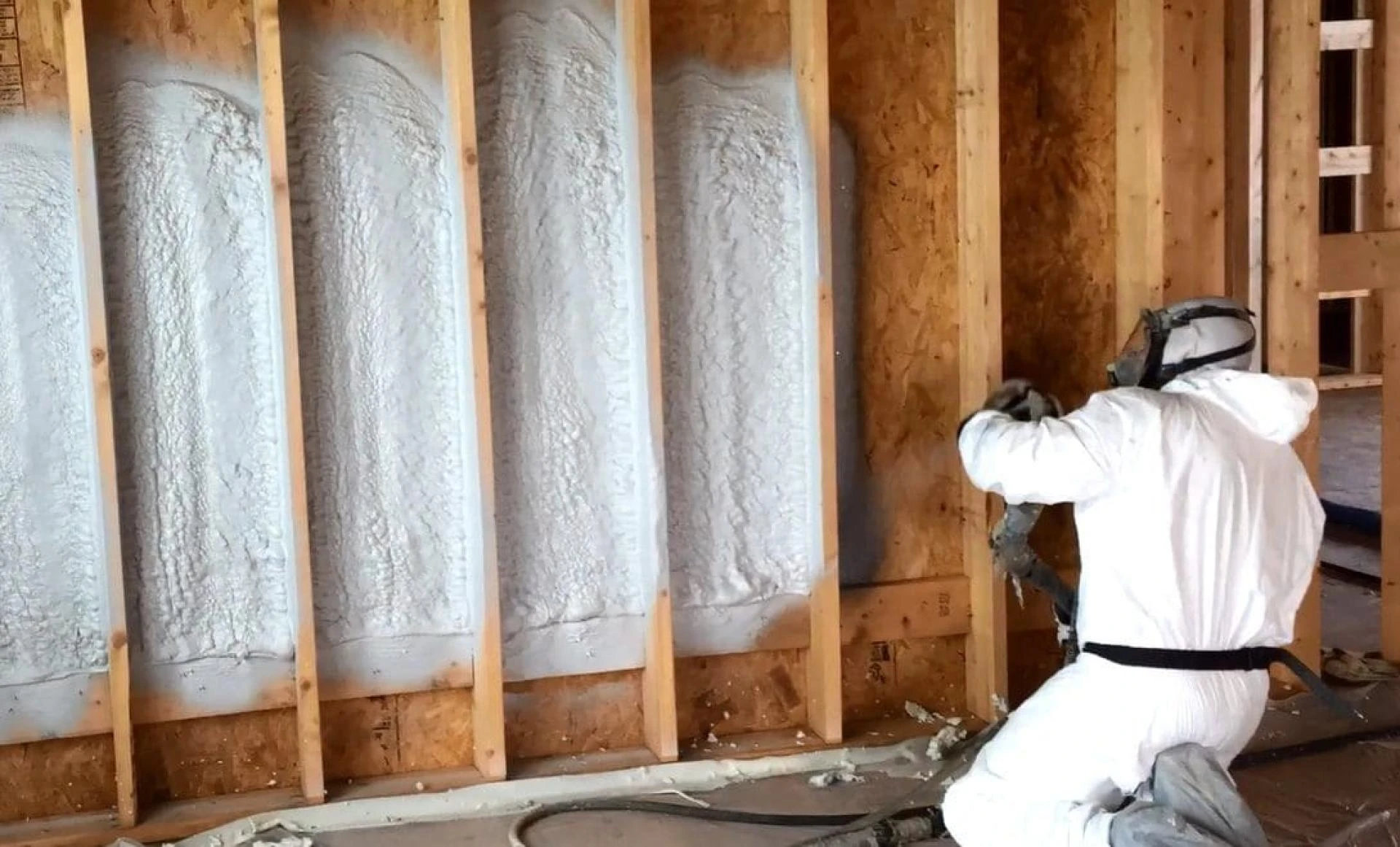
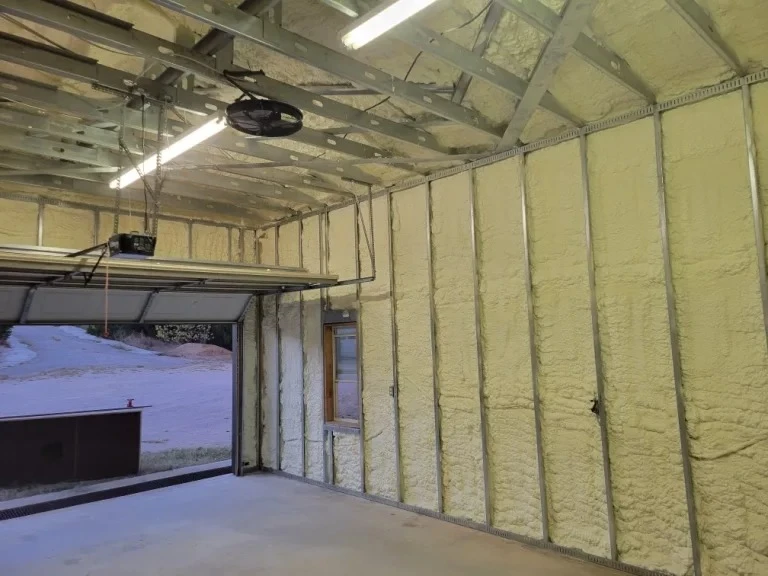
| Spray Foam | 6.0 | Sealing gaps and air leaks | Long-lasting, reduces energy consumption |
| Cellulose | 3.5 | Attics and cavities | Made from recycled materials |
| Fiberglass | 2.5–3.0 | Walls and ceilings | Easy to install, widely available |
| Mineral Wool | 3.0–3.3 | Fire-resistant applications | Durable and recyclable |
Bonus Tip
Pair removal and upgrade with air sealing for maximum energy savings and enhanced comfort.
Things to Consider Before Making a Decision
Selecting a Insulation Removal Contractor involves evaluating:
- Insulation type and potential hazards
- Building size and complexity
- Waste disposal and recycling options
- Local regulations for insulation handling
- Long-term energy savings versus upfront costs
Addressing these factors ensures a safe, compliant, and energy-efficient outcome.
Regional and Climate Considerations
Different climates affect insulation performance:
- Cold climates require high R-value insulation for heat retention
- Hot regions benefit from reflective or high-density insulation to reduce cooling loads
- Humid areas need moisture-resistant materials to prevent mold and structural damage
Insulation Removal experts can advise on optimal materials based on regional conditions.

Maintenance and Energy Monitoring
After removal and replacement:
- Inspect insulation periodically for settling or gaps
- Track energy consumption to verify efficiency improvements
- Schedule maintenance to maintain performance over time
Regular monitoring ensures buildings stay aligned with net zero goals.
Conclusion on Insulation Removal Benefits
Insulation Removal supports net zero goals by removing inefficient materials, preventing energy loss, and enabling modern insulation upgrades. Property owners should evaluate building conditions, safety requirements, and long-term energy savings when planning removal.
Next Steps for Sustainable Insulation
Property owners and builders seeking expert guidance can consult Insulation Removal Company for inspections, planning, and service. Spray Foam Tech provides professional insights and practical solutions. They can be contacted at [email protected] or (737) 777-9590 for consultation and service planning.
Questions People Ask About Insulation Removal
Can insulation removal improve energy efficiency?
Yes. Removing old insulation allows installation of modern, high-performance materials that lower energy use.
Is professional removal necessary?
Professional Insulation Removal Contractor services ensure safe handling of hazardous materials and proper disposal.
How does removal affect net zero targets?
It eliminates inefficiencies and allows upgraded insulation to reduce heating and cooling demands, contributing to net zero energy goals.
What are common hazards during removal?
Dust, fibers, and potential asbestos in older materials require protective equipment and professional handling.
Can insulation be recycled?
Yes. Many materials like cellulose and fiberglass can be recycled, minimizing environmental impact.
Reviewer: Maria Lopez reviewed the article and brought 12 years of insulation industry experience to improve the guidance. Practical tips were added, and the content was made clearer and more useful for contractors working in the field every day.






















Sign in to leave a comment.