When it comes to stainless steel, the numbers 304 and 316L often come up in conversations between builders, fabricators, and engineers. Both are incredibly popular choices across industries, yet they serve slightly different purposes. Understanding what sets them apart can help you make smarter choices for your next project whether it’s a kitchen installation, a marine structure, or a high-temperature industrial application.
Understanding Stainless Steel Grades
Stainless steel is not just one type of metal it’s a family of alloys made from iron, chromium, and other elements like nickel and molybdenum. What makes it stainless is the thin, invisible layer of chromium oxide on its surface. This layer protects the metal from rust and corrosion.
Among the various grades, 304 and 316L stand out because they balance durability, cost, and corrosion resistance better than most. But while they may look identical, their differences are found in the details.
Grade 304: The Everyday Workhorse
Type 304 stainless steel is sometimes called the “classic” stainless. It’s used everywhere in kitchen sinks, cookware, food processing equipment, and architectural trims. It typically contains around 18% chromium and 8% nickel, which gives it excellent resistance to rust in most environments.
Key advantages of 304 stainless steel:
- Excellent corrosion resistance in indoor and mild outdoor conditions
- Great formability and weldability
- Widely available and cost-effective
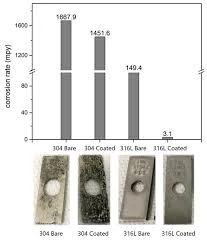
However, 304 has its limits. When exposed to salty environments, like coastal areas or marine equipment, it may start to show signs of pitting or rust over time.
Grade 316L: Built for Harsh Environments
Grade 316L is an upgrade from 304 it includes molybdenum, a powerful element that enhances corrosion resistance, especially against chlorides (like saltwater). The “L” in 316L stands for “low carbon,” meaning it’s less likely to corrode near weld joints, which makes it perfect for heavy-duty and high-moisture settings.
Common uses of 316L stainless steel include:
- Marine hardware and boat fittings
- Chemical and pharmaceutical equipment
- Food processing machinery exposed to salt or acids
- Architectural elements in coastal regions
It’s slightly more expensive than 304, but its performance in tough environments often justifies the extra cost.
Key Differences Between 304 and 316L
Feature304 Stainless Steel316L Stainless Steel Composition18% Chromium, 8% Nickel16% Chromium, 10% Nickel, 2% Molybdenum Corrosion Resistance Excellent, except in salty or chemical environmentsSuperior, especially against chlorides and acids Weldability Excellent, with added low-carbon resistance Cost Lower Slightly higher Applications Household and architectural Marine, chemical, and medical
In short: choose 304 when you want reliability at a good price, and 316L when you need that extra level of durability and corrosion resistance.
Leading Aluminium Suppliers in Dubai, UAE
While stainless steel plays a vital role in industrial and architectural projects, aluminium remains just as important for lightweight, corrosion-resistant structures. Leading Aluminium Suppliers in Dubai, UAE offer a wide range of products from extrusions and plates to sheets and bars that complement the versatility of stainless steel. Aluminium’s non-rusting nature and easy machinability make it a favorite for cladding, window frames, and decorative panels across the UAE’s modern skyline.
Shop Aluminium Plain Sheet in Dubai, UAE
If your project calls for a smooth, durable metal surface, you can easily shop aluminium plain sheet in Dubai, UAE. These sheets are ideal for fabrication, roofing, vehicle panels, and custom projects where strength and style go hand in hand. Available in multiple thicknesses, aluminium sheets combine lightness with impressive strength, making them perfect for both industrial and decorative purposes.
Final Thoughts
Both 304 and 316L stainless steels are excellent materials the right choice depends on where and how they’re used. For most general-purpose applications, 304 is more than capable. But if your environment involves high humidity, saltwater, or chemicals, 316L is the safer, long-term investment.
And when your project requires a metal that’s strong yet lightweight, aluminium is often the perfect partner. Between stainless steel and aluminium, modern industries have two of the most versatile and dependable materials ever made each designed to withstand time, wear, and weather.
























Sign in to leave a comment.