Wrinkles are often considered an inevitable part of aging, but recent research highlights that stress may play a significant role in accelerating skin aging. Understanding the connection between stress, high cortisol, and skin health is crucial for maintaining a youthful, radiant appearance. Many people wonder, does high cortisol cause wrinkles? The answer is yes — prolonged elevated cortisol levels can affect the skin’s structure, hydration, and elasticity, leading to premature lines and sagging.
Noxtul Synergy emphasizes a holistic approach to wellness, blending stress relief, skin nourishment, and natural energy support. By addressing both internal stress and external skin care, it’s possible to mitigate the impact of cortisol on the skin.
The Stress-Skin Connection
The skin is not just a protective barrier; it’s a reflection of overall health. Chronic stress activates the hypothalamic-pituitary-adrenal (HPA) axis, leading to increased production of cortisol, the body’s primary stress hormone. Elevated cortisol has several effects on the skin:
- Breakdown of Collagen and Elastin: Collagen and elastin are the proteins responsible for skin’s firmness and elasticity. High cortisol triggers enzymes that degrade these proteins, making the skin more prone to sagging and wrinkles.
- Inflammation: Stress-induced cortisol can lead to chronic inflammation, which accelerates skin aging and reduces the skin’s ability to repair itself.
- Impaired Barrier Function: Cortisol can disrupt the skin barrier, leading to dryness, sensitivity, and a dull appearance.
The visible signs of stress on the skin often include fine lines, deep wrinkles, and a loss of radiance. Recognizing these effects early is crucial for intervention.
Chronic Cortisol and Its Role in Premature Aging
Chronic cortisol exposure affects multiple systems in the body, but its impact on skin health is particularly pronounced. When the body remains in a constant state of stress, cortisol levels stay elevated, causing long-term structural changes in the skin. Key mechanisms include:
- Reduction in Collagen Synthesis: Cortisol inhibits fibroblasts, the cells responsible for producing collagen. Over time, reduced collagen levels contribute to thinner skin and more pronounced wrinkles.
- Impaired Skin Regeneration: High cortisol slows the turnover of skin cells, preventing timely repair of damage from UV exposure, environmental pollutants, and other stressors.
- Dehydration: Cortisol affects the skin’s ability to retain moisture, reducing hydration and contributing to fine lines and rough texture.
- Oxidative Stress: Elevated cortisol increases free radical activity, which damages cellular structures, including skin cells. Oxidative stress is a major contributor to premature aging.
Understanding the impact of cortisol on skin underscores the importance of both stress management and targeted nutritional support to maintain youthful skin.
Daily Habits That Reduce Cortisol Levels
Managing cortisol is not just about avoiding stress—it’s about adopting daily habits that promote resilience and overall wellness. Practical strategies include:
- Mindfulness Practices: Meditation, deep breathing exercises, and yoga help regulate the nervous system and reduce cortisol levels.
- Quality Sleep: Sleep deprivation is a major trigger for cortisol elevation. Prioritizing 7–9 hours of restful sleep per night supports skin repair and stress regulation.
- Regular Physical Activity: Moderate exercise helps balance cortisol while improving circulation, delivering oxygen and nutrients to the skin.
- Balanced Diet: Foods rich in antioxidants, vitamins, and minerals combat oxidative stress and support hormonal balance. Emphasize fruits, vegetables, healthy fats, and protein sources that nourish the skin.
- Hydration: Adequate water intake supports skin elasticity and flushes out toxins that may exacerbate stress responses.
Incorporating these habits consistently can significantly lower stress-related skin aging and enhance overall vitality.
Supplements That Support Skin Health and Stress Relief
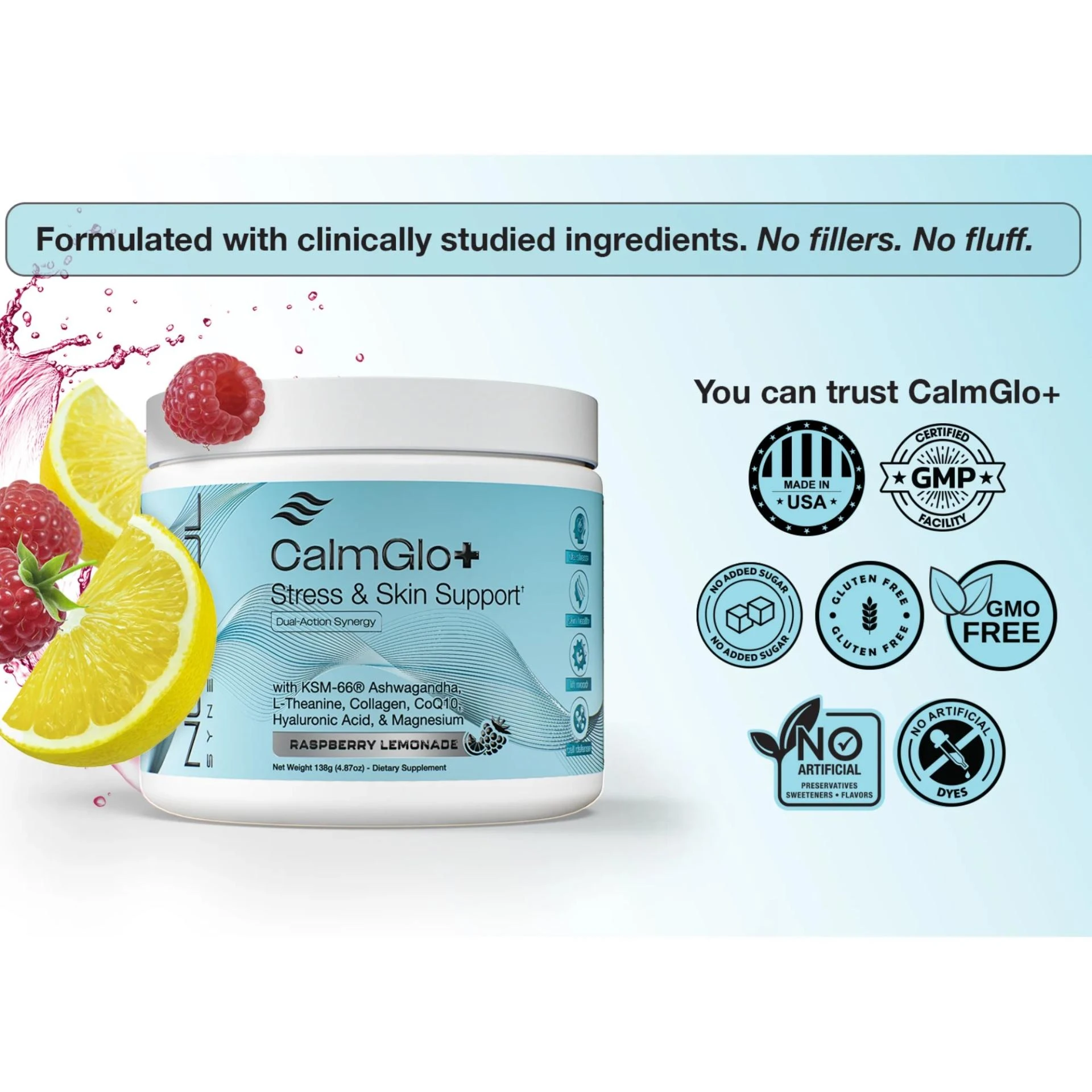
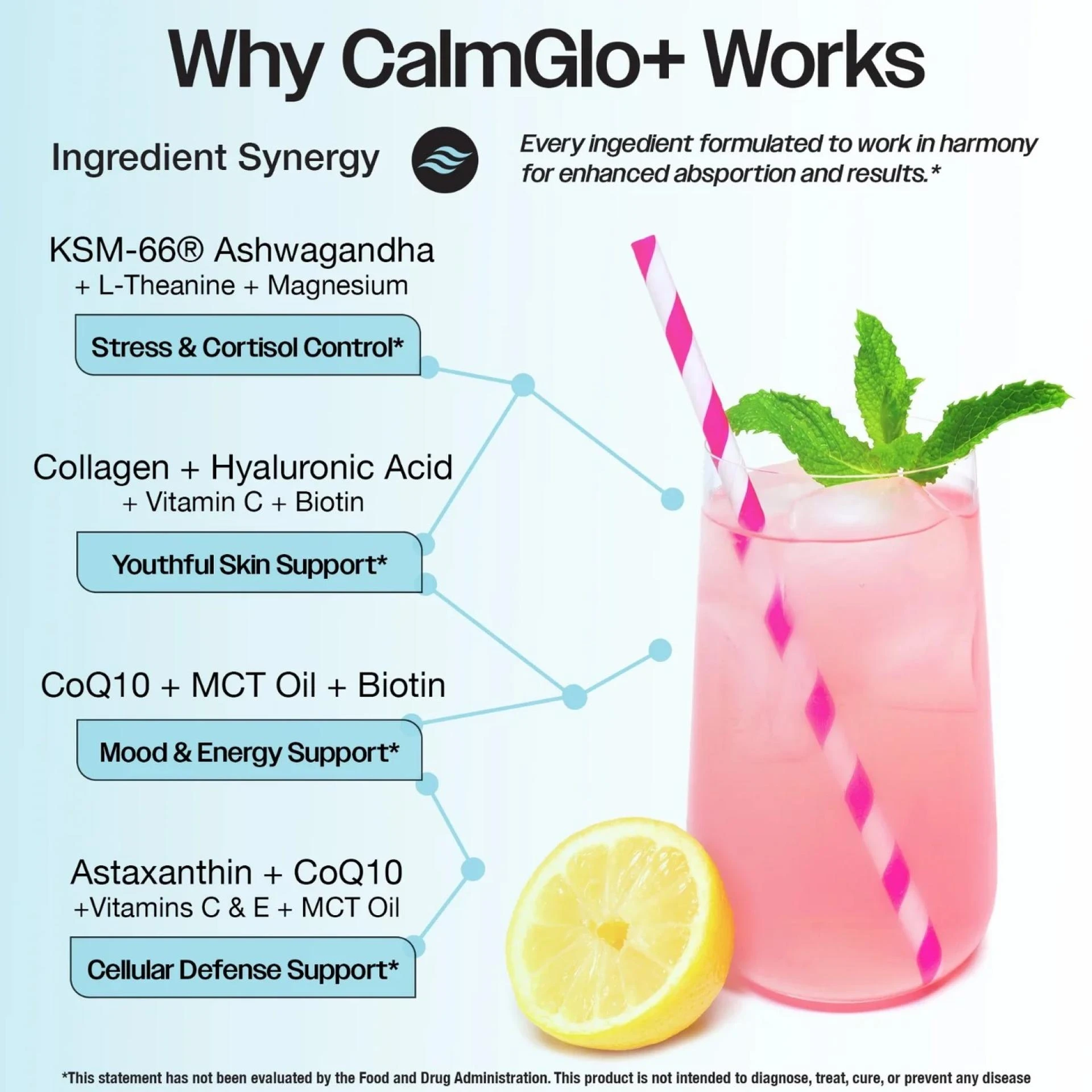
While lifestyle changes are essential, targeted supplements can provide a synergistic boost to support skin health and stress resilience. Noxtul Synergy’s formulations combine stress-relieving adaptogens, skin-nourishing compounds, and antioxidants to address the root causes of premature aging.
Key ingredients include:
- Ashwagandha: This adaptogenic herb helps balance cortisol levels and improves the body’s response to stress. Lower cortisol can prevent collagen breakdown and skin inflammation.
- Magnesium Bisglycinate: Magnesium supports relaxation and sleep quality, which indirectly benefits skin regeneration.
- L-Theanine: Found in tea leaves, this amino acid promotes calmness and reduces stress-induced cortisol spikes.
- Collagen Peptides: Directly supports skin structure by replenishing collagen lost to aging and stress.
- Hyaluronic Acid: Enhances hydration and skin plumpness, reducing the appearance of fine lines.
- Biotin and Vitamin C: Support skin cell turnover, collagen synthesis, and antioxidant defense.
- Antioxidants: Help neutralize free radicals caused by oxidative stress, protecting skin from premature aging.
By combining these ingredients in carefully crafted formulations, Noxtul Synergy addresses both the internal stress factors and the external signs of skin aging. Regular supplementation can help maintain skin elasticity, smoothness, and a healthy, radiant complexion.
Does high cortisol cause wrinkles? The combination of targeted supplements, balanced nutrition, and mindful lifestyle practices provides a comprehensive approach to prevent and reduce stress-induced wrinkles.
Conclusion: Managing Stress and Cortisol Is Essential for Maintaining Smooth, Elastic Skin
Wrinkles are not just a natural part of aging—they are also influenced by stress and elevated cortisol levels. Chronic stress accelerates collagen breakdown, reduces skin hydration, and increases oxidative damage, all of which contribute to premature aging. Understanding the stress-skin connection is the first step toward proactive skin care.
Incorporating daily habits like mindfulness, quality sleep, balanced nutrition, and regular exercise can reduce cortisol naturally. Supplements designed to support stress relief and skin health provide an additional layer of protection, promoting collagen synthesis, hydration, and antioxidant defense.
Noxtul Synergy’s holistic approach ensures that every ingredient works in synergy, targeting both the internal and external factors affecting skin health. By actively managing stress and cortisol, it’s possible to maintain smooth, elastic, and youthful skin while supporting overall wellness.




























Sign in to leave a comment.