
Workplace conflicts are an everyday challenge that can quietly disrupt productivity, morale, and team cohesion. Even in the most talented teams, misunderstandings, miscommunications, or clashing work styles can create tension that slows down projects and drains energy. Left unaddressed, these conflicts can lead to frustration, disengagement, and even employee turnover. Many organizations assume that conflicts will resolve themselves, but the reality is quite different.
Without guidance, disagreements often escalate, creating stress for both employees and management. This is where the expertise of team-building speakers becomes invaluable. By bringing teams together through engaging workshops, interactive exercises, and practical strategies, these speakers help employees understand one another better, communicate more effectively, and resolve disputes quickly.
Through their sessions, team-building speakers turn everyday conflicts into learning opportunities. They help employees see challenges not as personal attacks but as chances to grow, collaborate, and strengthen relationships. For organizations, this means a smoother workflow, higher morale, and a culture where teamwork and trust thrive. In this blog, you will read about how team-building speakers foster awareness, build trust, enhance collaboration, and resolve conflicts effectively. Keep reading.
The Role of Team Building Speakers in Strengthening Team Cohesion
Workplace conflicts can quietly undermine productivity, morale, and team cohesion, even in the most skilled teams. Miscommunications, differences in work styles, and unmet expectations often create tension that slows progress. Many organizations hope conflicts will resolve themselves, but without guidance, small issues can escalate into bigger problems. Team building speakers provide the expertise to address these challenges effectively, offering workshops, exercises, and strategies that improve communication, foster understanding, and resolve disputes quickly. By guiding employees to collaborate more harmoniously, these speakers turn potential disruptions into opportunities for stronger teamwork and lasting workplace harmony.
Understanding the Role of Team Building Speakers
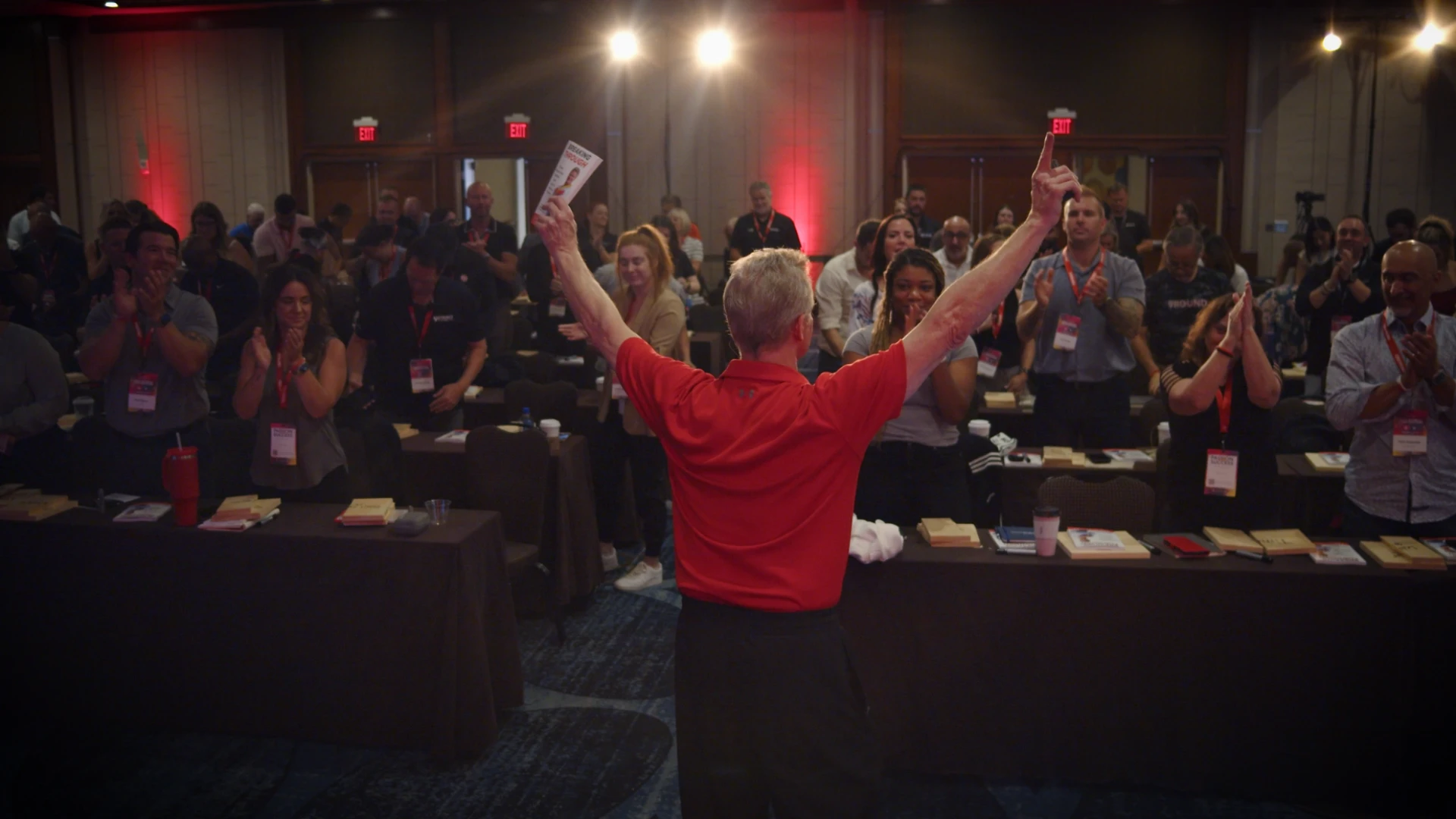
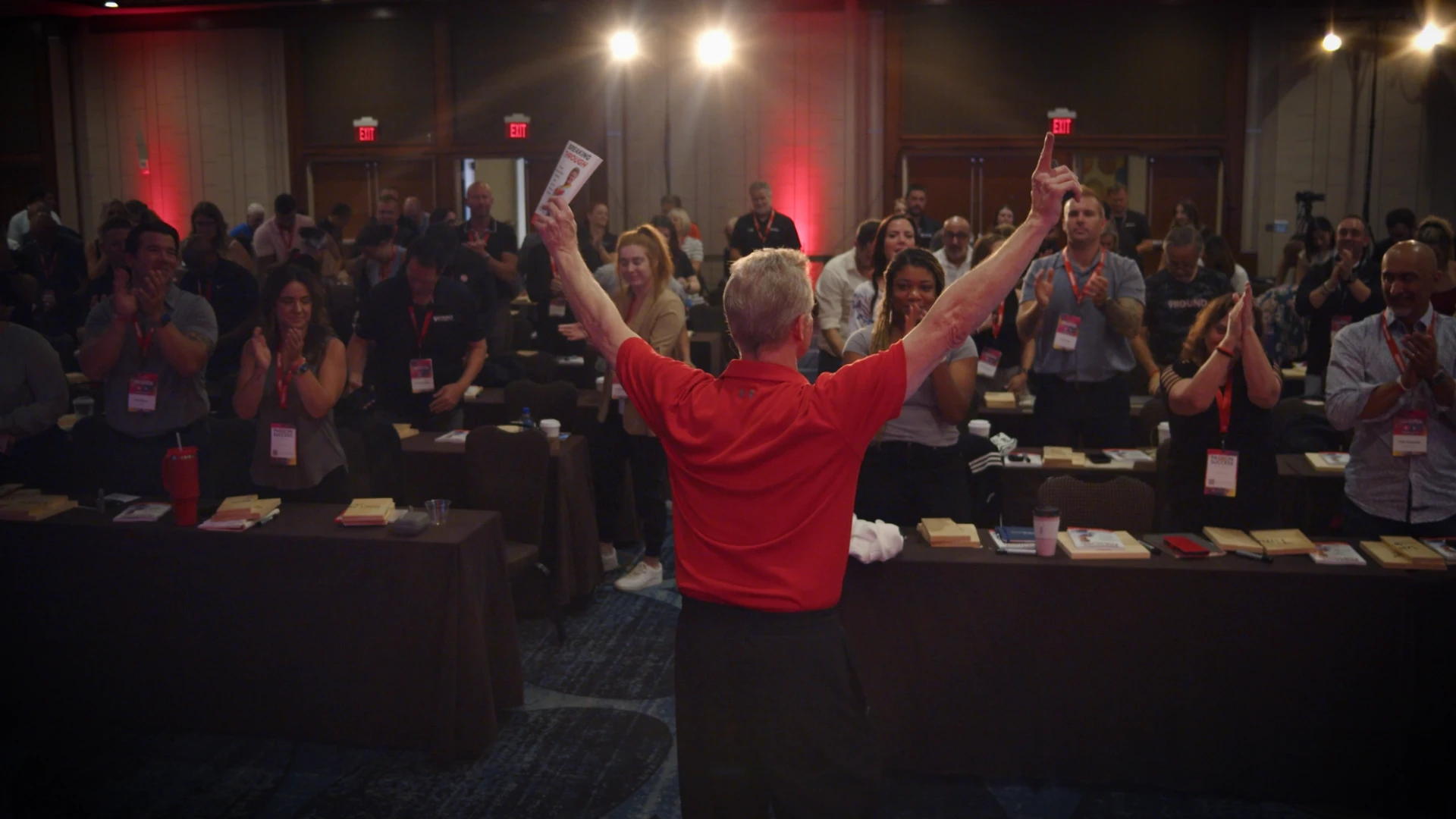
Team building speakers specialize in guiding teams through interactive learning experiences that encourage trust, collaboration, and communication. They are not just motivational speakers who deliver inspiring talks; their expertise lies in identifying underlying interpersonal challenges and creating strategies that help employees work together more harmoniously.
By using real-world examples, storytelling, and practical exercises, team-building speakers create an environment where employees feel safe to express concerns, explore different perspectives, and embrace collaborative problem-solving. Their goal is to transform tension into understanding, helping teams move past conflict before it escalates into larger issues.
Why Awareness and Empathy Are Essential for Team Harmony?
Resolving workplace conflicts requires more than rules or policies; it demands awareness and understanding among team members. Employees often struggle because they are unaware of how their actions impact others, leading to miscommunication and tension. Team building speakers play a pivotal role in fostering this awareness, guiding employees to practice empathy, active listening, and mutual respect. Through workshops and interactive exercises, teams learn to approach disagreements constructively, turning conflicts into opportunities for growth. By cultivating awareness, these speakers lay the foundation for open dialogue, stronger relationships, and a workplace culture where teamwork and collaboration thrive naturally.
Why Awareness and Empathy Are Key to Team Harmony?
One of the key ways team-building speakers help resolve conflicts is by fostering awareness. Often, conflicts arise because employees are unaware of how their actions or words impact others. Through workshops and sessions, these speakers highlight the importance of empathy, active listening, and mutual respect.
When team members understand each other’s viewpoints, it becomes easier to address disagreements constructively. Employees start recognizing that conflicts are not personal attacks but opportunities for growth. This awareness paves the way for more open communication and sets the stage for sustainable teamwork.
How Team Building Speakers Strengthen Team Cohesion?
Trust is the foundation of any effective team, yet conflicts can quickly erode it if not managed properly. Without strong interpersonal bonds, collaboration suffers, projects stall, and tensions rise. Team building speakers address this challenge by creating exercises and real-world scenarios that build trust and strengthen collaboration. Employees learn to rely on each other, challenge assumptions, and communicate openly. This hands-on approach not only resolves disagreements more efficiently but also enhances overall team cohesion. By fostering trust and cooperation, these speakers enable organizations to maintain high morale, keep projects on track, and create a workplace culture where conflicts are handled constructively and professionally.
The Key to Stronger Team Collaboration
Trust is the backbone of any high-performing team. Without it, collaboration becomes a struggle, and conflicts are more likely to flare up. Team building speakers use activities and real-life scenarios that require employees to rely on each other, demonstrating the power of collaboration. By participating in exercises that challenge assumptions and encourage cooperation, employees gradually develop stronger interpersonal bonds. These bonds make it easier to navigate disagreements, as team members are more willing to compromise, listen, and seek solutions together. The outcome is a cohesive team that addresses conflicts quickly and constructively, keeping projects on track and morale high.
Practical Conflict Resolution Techniques
Beyond inspiration and engagement, effective team-building speakers provide tangible techniques to handle conflicts. They equip employees with tools for active listening, negotiation, and problem-solving, ensuring that disagreements do not linger unresolved.
For instance, a speaker might guide the team through role-playing exercises where employees practice responding calmly to criticism, expressing concerns without blame, or negotiating win-win solutions. These exercises help employees internalize conflict resolution strategies that they can apply in everyday workplace interactions, reducing stress and preventing small issues from snowballing into major problems.
Encouraging a Positive Workplace Culture
Workplace culture plays a significant role in how conflicts are handled. Team building speakers help organizations cultivate a culture of openness, accountability, and mutual respect. By integrating storytelling, humor, and relatable examples, they encourage employees to see conflict as a natural and manageable part of collaboration. A positive workplace culture nurtures resilience, allowing teams to bounce back quickly from disagreements. Employees feel more confident expressing ideas, addressing concerns proactively, and working toward solutions rather than dwelling on problems. This cultural shift not only resolves conflicts faster but also strengthens overall engagement and retention.
Motivating Teams to Take Ownership
One of the less obvious benefits of involving team-building speakers is the motivation they instill in employees to take ownership of their roles and relationships. By demonstrating how individual actions contribute to team dynamics, speakers inspire employees to actively participate in conflict resolution. Motivated teams are more likely to intervene early when tensions arise, support one another through challenges, and maintain focus on shared goals. This proactive mindset ensures that workplace conflicts are addressed swiftly, leaving less room for frustration, resentment, or stagnation.
Measuring the Impact
Organizations that invest in team-building speakers often notice measurable improvements in communication, engagement, and collaboration. Employees report feeling heard and valued, while managers observe smoother project execution and fewer escalated conflicts. These results are not only beneficial for day-to-day operations but also reflect positively on the organization’s brand and reputation. A team that works well together can deliver higher-quality work, innovate more effectively, and create a workplace environment where employees want to stay and grow.
Conclusion
Workplace conflicts, while inevitable, do not have to disrupt productivity or morale. By engaging team-building speakers, organizations can address conflicts swiftly, foster collaboration, and cultivate a culture of understanding and respect. Through practical exercises, storytelling, and motivational insights, these speakers empower teams to communicate better, build trust, and solve disagreements constructively. Ultimately, team building speakers provide more than conflict resolution; they create a workplace where employees feel connected, motivated, and equipped to thrive together, turning challenges into opportunities for growth.





























Sign in to leave a comment.