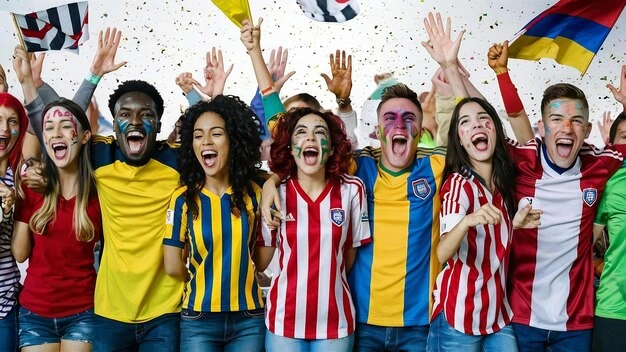

Team colors are the quickest way football introduces itself. Before a kickoff, before a chant gathers momentum, before the first tackle sets the tone, the palette on the pitch already tells a story. Supporters read those shades like a map of identity: where a club comes from, what a country claims as its character, and how a community wants to be seen. Across continents, colors don’t simply decorate the sport; they structure rituals, fuel rivalries, and turn ordinary streets into matchday theatres.
The First Look That Creates Instant Allegiance
For many fans, the earliest attachment to a team begins with a visual spark rather than a statistic. A bright hue on a televised match, a scarf spotted in a crowd, or a schoolyard kit can become the moment a lifelong loyalty starts. That initial pull is also why people look for a wearable reminder of tournament drama; get Fanaacs World Cup tops when they want something easy to throw on for watch parties while still feeling connected to the wider global crowd. Colors work because they are immediate; they create a sense of belonging at a glance.
How Neighborhoods Turn Shades into Traditions
In football cities, colors often settle into everyday life until they feel like part of the local architecture. Shop shutters get painted in club tones, murals mirror the home strip, and corner cafés hang flags year-round. Over the decades, those choices stop being “support” and become part of routine culture, something passed down through families and friend groups. Even when a team changes sponsors or tweaks design details, the core colors remain the anchor that keeps the community’s shared image stable. When locals say “our colors,” they mean ownership in the deepest sense, and it’s reflected not just in jerseys but also in classic sportswear trends inspired by decades of fan culture.
Rivalries Built on Contrast and Memory
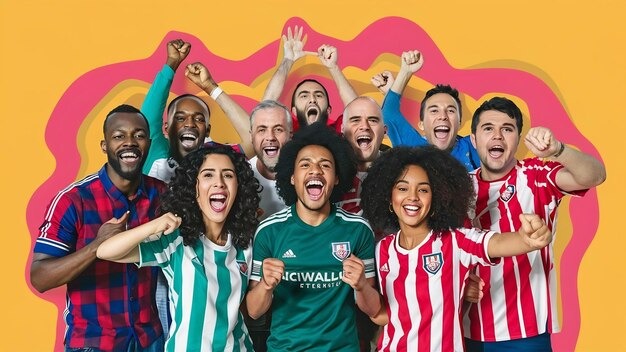
Derbies are partly about geography, but they are also about visual opposition. When two teams’ colors clash, the rivalry becomes instantly legible even to neutral viewers: one side here, the other side there, no confusion. These contrasts are reinforced by decades of match stories, late winners, controversial calls, promotion races, cup upsets that get retold until the colors themselves feel charged with meaning. A scarf or shirt can signal a worldview in certain cities, not just a preference in sport, because history has attached emotion to each shade.
National Palettes and the Idea of a Collective Self
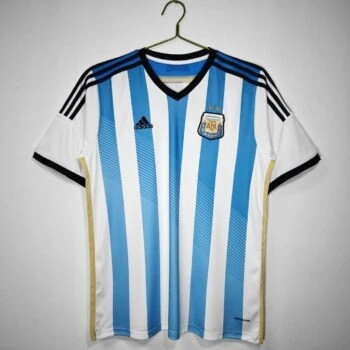
International football turns colors into symbols of nationhood, especially during major tournaments when people who rarely watch club matches still join the spectacle. A national kit’s colors can represent flags, historical movements, or cultural values that citizens recognize immediately. The palette becomes a shared uniform for strangers celebrating together in public squares, airports, and living rooms. In that setting, wearing the team’s colors can feel like participating in a civic moment, hope, pride, and anxiety all compressed into a simple visual code.
Chants, Banners, and the Visual Rhythm of Crowds
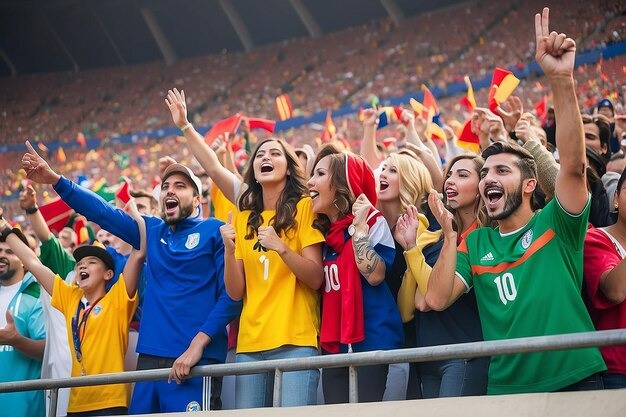
Colors don’t just sit on shirts; they organize how crowds look and move. Choreographed displays rely on consistent shades so that mosaics, tiffs, and waving flags read clearly from a distance. Even the way supporter groups coordinate one end of the stadium in a single tone, another end in alternating blocks, creates a visual rhythm that matches the sound of chants. When supporters invest in coordinated matchday wear, the stands become a living artwork, and the emotional impact rises because people can see unity as well as hear it.
Weather, Light, and Why Some Colors Travel Better
A kit that looks one way under a bright summer sun can look completely different in winter rain or under harsh floodlights. This is one reason certain colors become globally associated with “power” or “style”: they photograph well, broadcast well, and stay recognizable across different conditions. In humid climates, lighter tones can feel practical; in colder regions, deeper shades can appear more imposing. Over time, teams build reputations partly through how their colors behave in famous matches, turning environmental quirks into part of their aesthetic identity.
Design Choices That Protect the Core While Changing the Edges
Teams modernize constantly, but most protect their core palette because it is the most valuable cultural asset they have. Designers can experiment with trim, gradients, subtle patterning, or alternate shades, yet the main color signal usually remains intact, so supporters don’t feel displaced. This balance allows the club to stay current without losing recognition. When it works, fans embrace the update as evolution; when it fails, they often describe it as losing the “soul” of the kit, which shows how strongly colors are tied to identity.
Wearing Colors Beyond the Stadium
Football colors have an everyday life that extends into schools, workplaces, and travel. People choose subtle items, caps, jackets, and vintage-inspired tops, because colors can communicate loyalty without requiring conversation. In many places, certain football culture shirts become social connectors: you spot one in another country and instantly feel you’ve found a familiar tribe. That portability is why football is so culturally sticky; the colors travel with people, turning fandom into a shared international shorthand.
Global Icons and the Spread of Visual Influence
Some teams’ colors become globally influential because they are linked to iconic eras, legendary players, or historic tournament runs. When a club or country dominates the conversation for years, its palette can start appearing in street markets, bootleg prints, and casual fashion far from its home. That is also why popular football team jerseys often end up as gifts, travel souvenirs, or style pieces for people who may not follow every result because the colors have become cultural symbols with a life independent of the league table.
Conclusion
Team colors shape football culture because they make identity visible, transferable, and enduring. They define rivalries at a glance, organize crowd rituals, and help communities recognize themselves in public spaces. From local streets painted in club tones to national celebrations that fill entire cities with a shared palette, football’s colors create belonging that can be worn, waved, and remembered. Long after specific seasons fade, the shades remain quietly, carrying history forward every.






















Sign in to leave a comment.