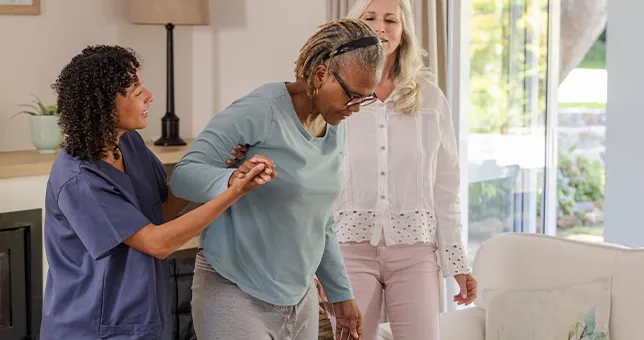

The global population is undergoing a significant demographic shift, with the number of elderly individuals increasing continuously. It is estimated that by the year 2050, at least one in every five people will be aged 65 years or older. This rapid aging of the population presents substantial challenges to healthcare systems worldwide, which are often burdened by staffing shortages, limited accessibility, and a rising prevalence of chronic health conditions. To meet these complex needs, the healthcare industry is increasingly turning to digital innovation to improve the quality of life for older adults.
Technology is no longer a peripheral benefit; it has become a critical asset in the modernization of senior care services. By integrating telehealth, remote monitoring, and artificial intelligence, these services are evolving from reactive models to proactive systems that enhance care delivery and improve patient outcomes. This transformation is essential for allowing seniors to engage more actively with their own health while providing families and caregivers with the tools needed to ensure safety and comfort.
Supporting Independent Living and Aging in Place
One of the most significant ways technology is reshaping the lives of older adults is by supporting independent living. Many seniors prefer to "age in place," and modern technological advancements are making this a safer reality. Smart home systems are at the forefront of this movement, utilizing motion sensors, automated lighting, and voice-activated assistants like Alexa or Google Assistant. These devices assist with daily tasks, such as setting medication reminders or controlling household appliances, which promotes confidence and independence among seniors living alone.
Furthermore, ambient assisted living (AAL) systems provide a framework for identifying the activities of daily living (ADL) and the environment of the user. These systems help bridge the gap between independence and safety, ensuring that if a senior experiences a deviation from their normal routine, caregivers can be alerted. By creating a connected environment, technology reduces the physical and psychological barriers that often prevent seniors from living on their own.
The Critical Challenge of Fall Detection
A primary focus of technological intervention within senior care services is the detection and prevention of falls. Falling is a common and hazardous mishap for the elderly, particularly those aged 65 and over. Statistics indicate that one-third of people over 65 experience at least one fall per year, and two-thirds of those who fall once are at risk of falling again. Falls are a leading cause of accidental death and can result in severe injuries such as fractures and spinal cord damage.
Beyond physical injury, falls carry a heavy psychological burden, including anxiety, depression, and a "fear of falling". This fear often creates a restrictive cycle: an elderly person restricts their activities to avoid a fall, which leads to muscle weakness and imbalanced gait, ironically increasing the risk of a future fall incident. Rapid detection is vital to mitigate these effects and avoid the "long-lie," where a person remains on the floor for more than an hour after a fall—a situation that significantly increases the risk of mortality.
Advanced Monitoring and Machine Learning
To address the danger of falls, technology has moved toward sophisticated monitoring systems. These are generally classified into three types: camera-based systems, ambient-based systems, and wearable systems. While camera and ambient systems are less common due to high hardware costs, wearable devices—often mounted at the waist or wrist—have become popular because they are small, lightweight, and utilize inertial measurement units like accelerometers and gyroscopes.
Recent research has focused on using machine learning to make these systems more accurate. Traditional systems often struggle to differentiate between a fall and normal daily activities, leading to false alarms. However, new algorithms using Support Vector Machines (SVM) and K-Nearest Neighbors (KNN) have shown remarkable success. For example, a proposed SVM-based algorithm achieved an accuracy rate of 99.98% in detecting falls. These algorithms analyze complex data features—such as signal variance, skewness, and kurtosis—to gain deep insights into the user’s movements, ensuring that emergency alerts are generated only when a true fall occurs.
Telehealth and Remote Vitals Tracking
In addition to emergency detection, technology is revolutionizing routine medical care through telehealth and remote health monitoring. Modern wearable devices now allow seniors to monitor their vitals, including heart rate, blood pressure, and glucose levels, from the comfort of home. This real-time data can be shared directly with healthcare providers, enabling timely responses to health changes and more informed treatment decisions.
Telehealth platforms have also made regular check-ups and urgent care consultations more accessible. This is particularly beneficial for seniors with mobility issues or those living in remote areas. By minimizing the need for frequent hospital visits and empowering older adults to take an active role in their well-being, telehealth is significantly enhancing the management of chronic conditions.
AI and Predictive Analytics
The integration of Artificial Intelligence (AI) and predictive analytics is perhaps the most forward-looking aspect of modern senior care. AI can spot early signs of illness by tracking subtle changes in health data over time, helping caregivers intervene before a condition worsens. Predictive tools can also identify high-risk scenarios, such as the likelihood of a fall or a missed medication dose, based on patterns in the user's daily life. This allows for a highly personalized care plan that fits the specific needs of each individual, making care smarter and more efficient.
Overcoming Challenges and Looking Forward
Despite these benefits, the digital transformation of senior care faces several hurdles. Digital literacy remains a concern, as many seniors may find intricate devices or complex apps difficult to navigate. Accessibility is another issue, particularly for those with cognitive or physical impairments, and the cost of advanced technology can be a barrier for many families. Furthermore, the collection of sensitive health data raises important questions regarding privacy and security.
Addressing these challenges requires a collaborative effort between tech developers, policymakers, and healthcare workers to ensure that tools are user-friendly, affordable, and secure. Future innovations, such as AI-powered robotics and intelligent fabrics that monitor vitals through clothing, offer even more promise for enhancing emotional well-being and safety.
In conclusion, technology is fundamentally changing the landscape of senior care services by offering real solutions to the most pressing challenges of aging. From smart home safety and high-accuracy fall detection to AI-driven predictive health monitoring, these innovations are improving safety and quality of life for the elderly. As the senior population continues to grow, embracing inclusive and empowering technology will be essential to ensure that older adults can live healthier, more connected, and more independent lives.



























Sign in to leave a comment.