

Diabetes management has evolved significantly over the past decade, thanks to rapid advancements in healthcare technology. What once required frequent clinic visits and manual tracking can now be managed more efficiently with digital tools and smart devices. From monitoring blood sugar levels to improving communication between patients and healthcare providers, technology is transforming diabetes care. For individuals seeking expert guidance, consulting the best diabetes doctor in Raleigh alongside using modern technology can greatly improve long-term health outcomes.
The Growing Role of Technology in Diabetes Care
Diabetes is a chronic condition that requires consistent monitoring, lifestyle adjustments, and medical supervision. Technology has become a powerful ally in helping patients manage these demands more effectively. Digital solutions not only provide real-time health data but also empower patients to make informed decisions about their diet, exercise, and medication.
Continuous Glucose Monitoring (CGM) Systems
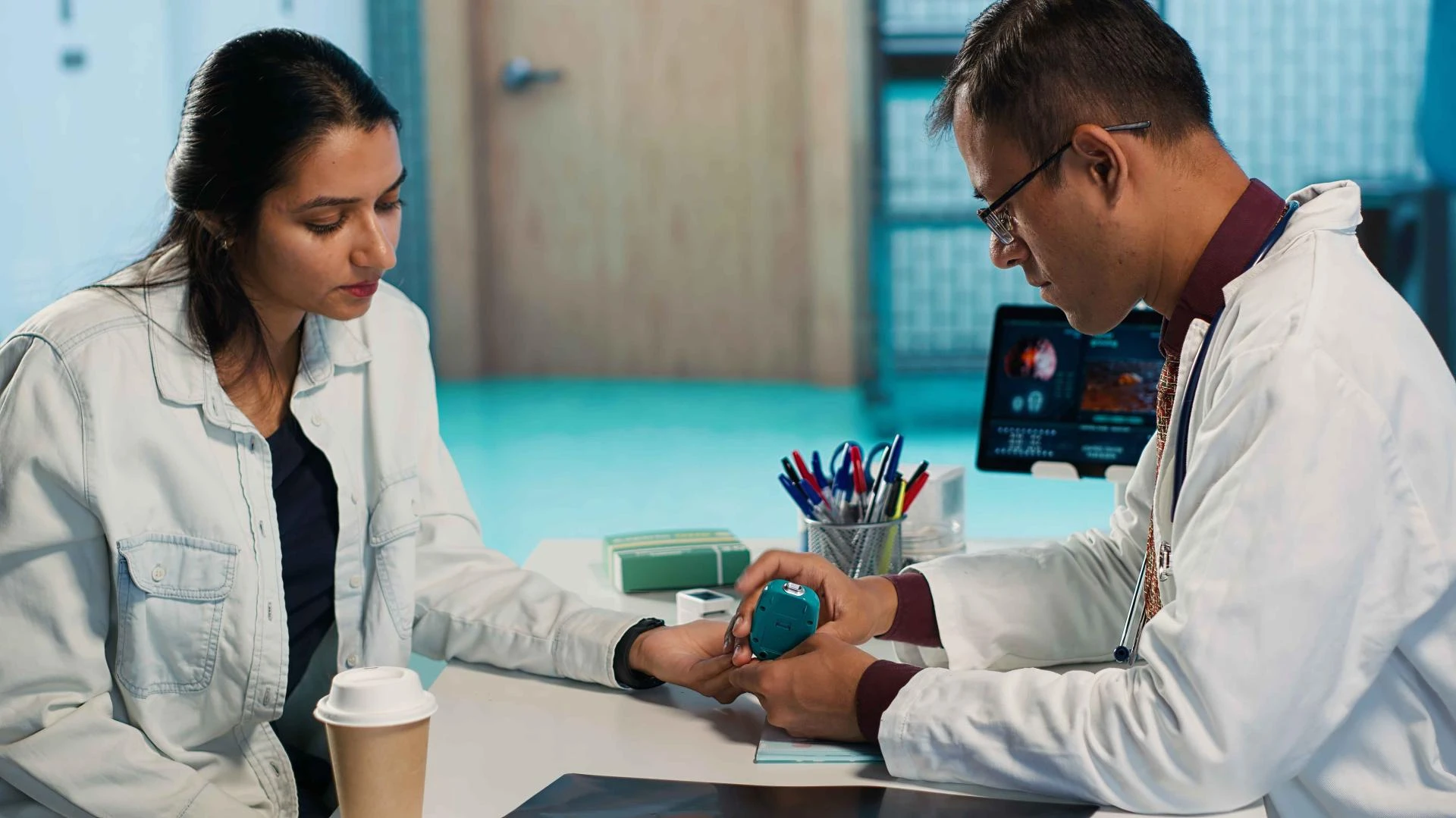
One of the most impactful technological advancements in diabetes care is continuous glucose monitoring. CGM devices track blood sugar levels throughout the day and night, offering real-time insights into glucose fluctuations. These systems reduce the need for frequent finger-prick tests and help patients identify patterns related to meals, physical activity, and stress. Alerts and notifications allow users to respond quickly to high or low blood sugar levels, improving safety and control.
Smart Insulin Delivery Systems
Insulin delivery has also improved with technology. Insulin pumps and smart pens provide precise dosing and can be programmed to deliver insulin at specific times. Some advanced systems integrate with CGM devices, automatically adjusting insulin delivery based on glucose readings. These automated insulin delivery systems reduce the risk of human error and help maintain stable blood sugar levels.
Mobile Apps for Diabetes Management
Mobile health applications play a crucial role in daily diabetes management. These apps allow users to log blood sugar readings, track meals, monitor physical activity, and set medication reminders. Many apps generate reports that can be shared with healthcare providers, making consultations more efficient and data-driven. By organizing health information in one place, apps help patients stay consistent and engaged in their care.
Wearable Devices and Fitness Trackers
Wearable technology such as fitness trackers and smartwatches contributes to better diabetes management by monitoring physical activity, heart rate, and sleep patterns. Regular exercise and quality sleep are essential for maintaining healthy blood sugar levels. Wearables motivate users to stay active and help them understand how lifestyle choices affect glucose control.
Telemedicine and Remote Care
Telemedicine has made diabetes care more accessible, especially for individuals with busy schedules or limited mobility. Virtual consultations allow patients to connect with healthcare professionals without visiting a clinic. Remote monitoring tools enable doctors to review glucose data and adjust treatment plans in real time. This approach ensures continuous care and early intervention when issues arise.
Artificial Intelligence and Predictive Analytics
Artificial intelligence (AI) is increasingly being used to analyze large volumes of health data. AI-powered platforms can predict blood sugar trends, identify potential complications, and recommend personalized treatment strategies. These insights help both patients and healthcare providers make proactive decisions, reducing the risk of long-term complications such as neuropathy or cardiovascular disease.
Benefits of Technology-Driven Diabetes Management
Technology-driven diabetes care offers several benefits, including improved accuracy, better patient engagement, and enhanced treatment personalization. Patients gain greater control over their condition, while healthcare providers can make more informed decisions based on real-time data. This collaborative approach leads to better glycemic control and improved quality of life.
Challenges and Considerations
Despite its advantages, technology-based diabetes management is not without challenges. Device costs, data privacy concerns, and the learning curve associated with new tools can be barriers for some patients. It is important to choose solutions that align with individual needs and to receive proper guidance from a healthcare professional.
Conclusion
Technology has revolutionized diabetes management by making monitoring, treatment, and communication more efficient and accessible. When combined with expert medical care, these innovations help patients achieve better blood sugar control and reduce the risk of complications. For personalized treatment and long-term support, consulting the best diabetes doctor ensures that technology is used effectively as part of a comprehensive diabetes care plan.

























Sign in to leave a comment.