Modern restaurant management is undergoing a profound transformation driven by technology. What was once a labor-intensive industry dependent on manual processes is now a data-informed, experience-focused ecosystem. From reservation systems to intelligent inventory tracking, technology enables restaurateurs to operate with precision while delivering memorable guest experiences. This shift is not about replacing hospitality’s human touch but enhancing it through smarter tools and insights.
Smart Ordering Systems and Operational Efficiency
One of the most visible changes in restaurant management is the adoption of digital ordering systems. Tablets, QR-code menus, and mobile apps streamline ordering, reduce errors, and accelerate table turnover. These systems allow staff to focus more on service quality rather than administrative tasks.
Behind the scenes, point-of-sale platforms integrate with inventory and kitchen display systems, ensuring that orders are accurately routed and stock levels updated in real time. The result is reduced waste, improved kitchen coordination, and consistent food quality—key pillars of operational excellence in today’s competitive dining landscape.
Data-Driven Menu Design and Customer Psychology
Technology has revolutionized restaurant menu design by turning it into a strategic, data-driven process. Sales analytics reveal which dishes perform best, how pricing affects ordering behavior, and where menu fatigue may occur. Restaurateurs can experiment with layout, descriptions, and placement to subtly guide customer choices, drawing directly from principles of customer psychology.
Digital menus also allow for dynamic updates, seasonal offerings, and targeted promotions without reprinting costs. By understanding customer preferences and behavioral patterns, restaurants can design menus that feel intuitive and personalized, enhancing satisfaction while maximizing profitability.
Personalized Guest Experiences Through CRM Tools
Customer relationship management tools are no longer reserved for large chains. Modern CRM platforms help restaurants track guest preferences, dietary restrictions, and visit history. This information empowers staff to deliver personalized service that feels thoughtful rather than intrusive.
When guests feel recognized and understood, loyalty naturally increases. Personalized offers, birthday acknowledgments, or tailored menu recommendations turn one-time visitors into regular patrons. This technology-supported attentiveness aligns perfectly with hospitality excellence, where emotional connection is as important as culinary skill.
Automation, Staffing, and Workforce Optimization
Staffing remains one of the most challenging aspects of restaurant management, and technology offers practical solutions. Scheduling software forecasts demand based on historical data, local events, and seasonality, ensuring optimal staffing levels without overburdening payroll.
Automation also supports training through digital manuals, video tutorials, and performance tracking. Rather than replacing staff, these tools elevate their effectiveness, reduce burnout, and promote consistency in service delivery. In an industry defined by people, technology acts as a support system that allows talent to shine.
Integrated Hospitality Ecosystems
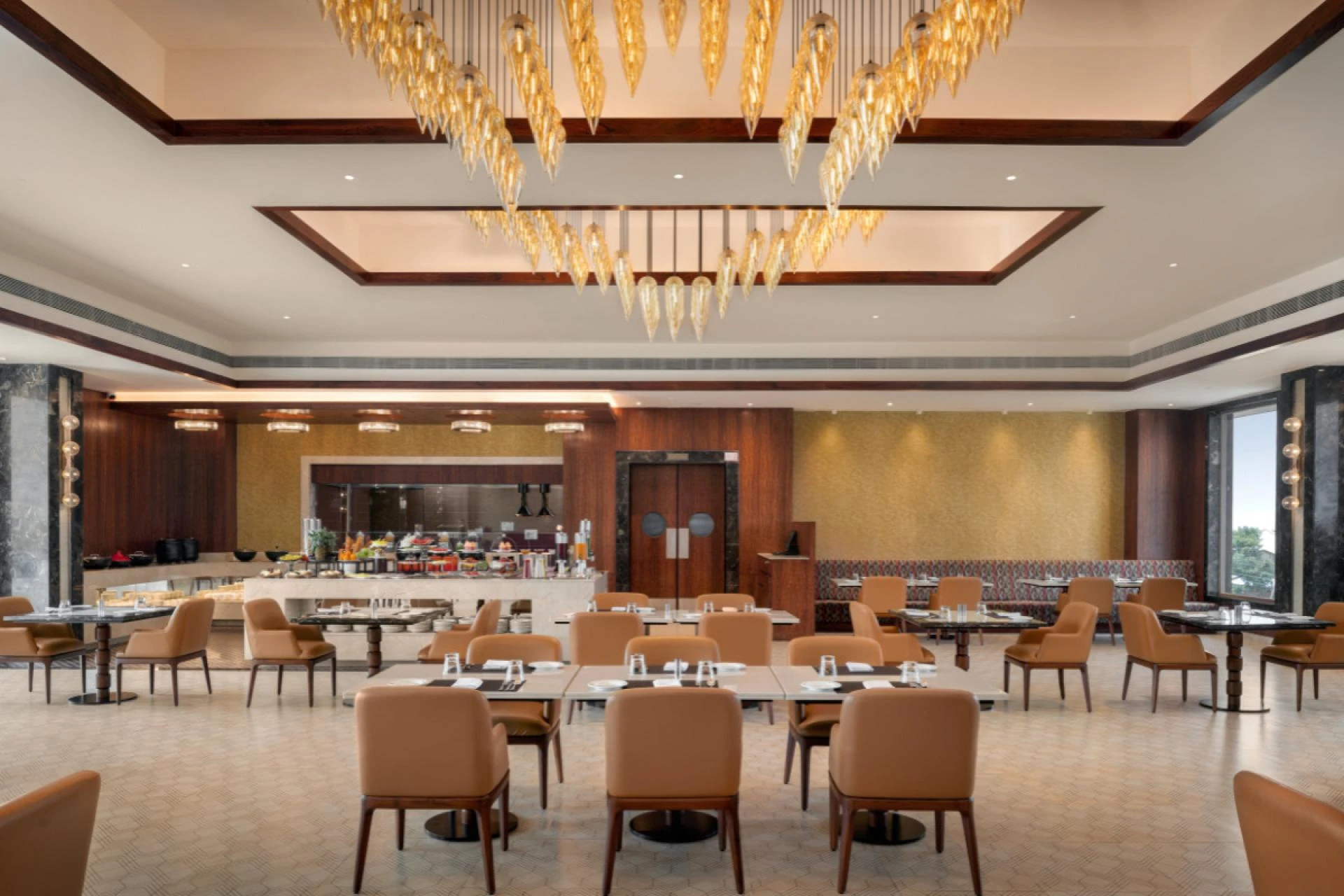
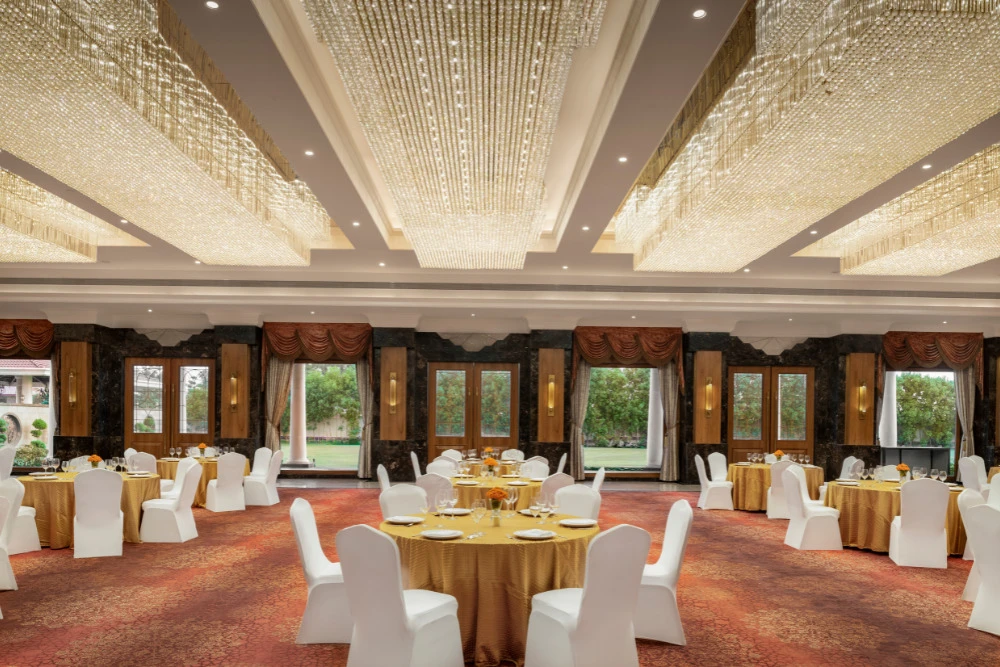
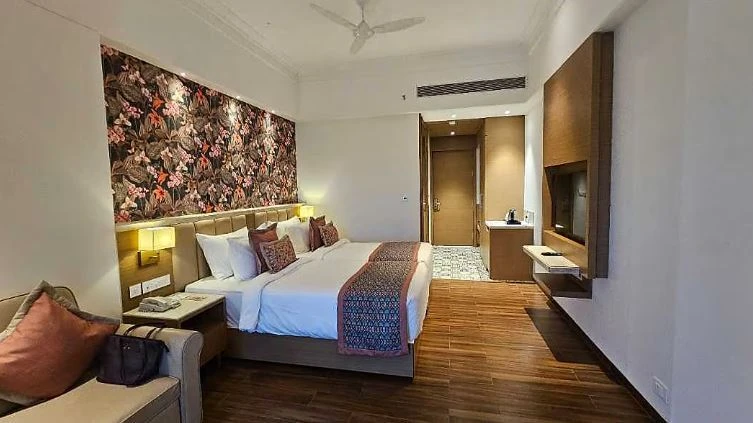
Restaurants increasingly operate as part of broader hospitality experiences, especially within hotels and destination properties. Integrated management systems allow seamless coordination between dining, accommodation, and guest services. Properties such as The Jasraj Palace demonstrate how technology can unify these elements into a cohesive guest journey.
When dining preferences sync with room service options or guest profiles inform both culinary and lodging experiences, the result is a holistic approach to hospitality. Travelers seeking the best accomodation in yavatmal can enjoy not just comfort but also intelligently curated dining and service experiences that reflect their needs.
Online Presence, Reviews, and Reputation Management
Technology has amplified the importance of online reputation. Review platforms, social media, and search visibility significantly influence dining decisions. Modern restaurant management includes active monitoring of feedback and rapid, professional responses to reviews.
Analytics tools assess sentiment trends and highlight operational areas needing improvement. By treating feedback as actionable data rather than criticism, restaurants continuously refine their offerings. This responsiveness builds trust and positions a restaurant as guest-centric and forward-thinking.
The Future of Technology-Enabled Dining Excellence
As artificial intelligence, predictive analytics, and smart devices continue to evolve, restaurant management will become even more anticipatory and personalized. Technology will help predict guest needs before they are voiced, optimize menus in real time, and create immersive dining environments.
For diners searching for the best restaurant in yavatmal, these advancements translate into smoother service, thoughtfully designed menus, and emotionally engaging experiences. Ultimately, technology is not redefining hospitality’s values; it is reinforcing them by enabling restaurants to deliver consistency, creativity, and care at scale.

























Sign in to leave a comment.