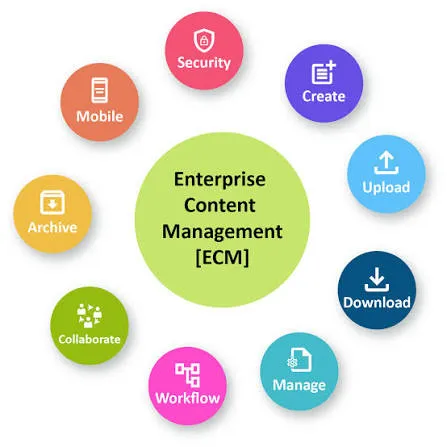

Drupal can serve as a capable enterprise content management system, particularly for organisations with strong development resources and a need for deep customisation. Still, it is not automatically the right fit for every organisation, since its strengths lean toward flexible content modelling and open-source extensibility rather than the tight productivity-suite integration that platforms like SharePoint offer.
Drupal's genuine strengths for ECM
Drupal's open-source architecture gives organisations considerable control over how content is structured, modelled and extended, without being tied to a single vendor's licensing model or roadmap. Its content type system is highly flexible, allowing organisations to define custom content structures that closely match their specific business needs, and its large module ecosystem means many common enterprise content management requirements, from workflow to access control, already have established solutions available rather than requiring custom development from scratch.
Where Drupal requires more investment than out-of-the-box alternatives
Drupal's flexibility comes with a trade-off: it generally requires more hands-on development and configuration to reach full enterprise content management capability compared with platforms that ship with more of that functionality built in. Organisations without an existing development team comfortable with Drupal's architecture often find the initial setup and ongoing maintenance more resource-intensive than a more prescriptive platform would require, which is an important consideration when weighing total cost of ownership rather than just licensing cost, since Drupal itself is free but the implementation and maintenance effort is not.
How Drupal compares to SharePoint for enterprise content management
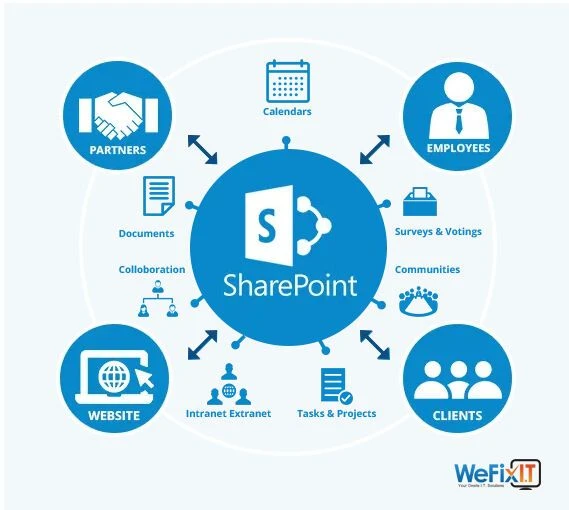
Where SharePoint offers tight integration with Outlook, Teams and the broader Microsoft 365 suite, making it a natural fit for organisations already standardised on that ecosystem, Drupal is platform-agnostic and does not assume any particular underlying productivity suite. This makes Drupal a stronger candidate for organisations without a Microsoft-centric technology environment, or those who specifically want to avoid deeper vendor lock-in. At the same time, SharePoint tends to be the more practical choice for organisations already invested in Microsoft 365 who want content management woven into tools their staff already use daily.
Where Drupal genuinely excels
Drupal's particular strength shows up in scenarios requiring highly customised content structures, multilingual content management at scale, or public-facing content platforms that need to combine strong content management with sophisticated website functionality. Organisations building complex, content-heavy public websites alongside their internal content management needs often find Drupal's dual capability as both a website CMS and a broader content management platform genuinely valuable, since it addresses both needs within a single underlying architecture.
Considerations around security and maintenance
As an open-source platform, Drupal's security depends significantly on staying current with updates and following recommended security practices, since vulnerabilities in outdated Drupal installations or unmaintained third-party modules are a genuine and well-documented risk. Organisations choosing Drupal need either an internal team or a managed service arrangement committed to keeping the platform and its modules updated, since this ongoing maintenance discipline is not optional for a platform handling business-critical enterprise content.
Deciding for your organisation
The right answer depends heavily on existing technology investment and development capability. Organisations with genuine development resources, a need for highly customised content structures, and either a non-Microsoft technology environment or a strong public website component to their content strategy may find Drupal a genuinely strong enterprise content management choice. Organisations prioritising fast adoption, tight integration with existing Microsoft 365 tools, and lower ongoing development overhead often find a platform like SharePoint the more practical fit, even though Drupal remains a technically capable option worth evaluating on its own merits rather than dismissing outright.
Weighing the decision honestly
Ultimately, asking whether Drupal is "good" for enterprise content management is less useful than asking whether it is the right fit for a specific organisation's technology environment, development capability and content requirements. Both Drupal and alternatives like SharePoint are genuinely capable platforms in the hands of an organisation that has matched the choice to its actual circumstances, and both can underperform when implemented without adequate planning or ongoing maintenance commitment. Organisations genuinely uncertain between the two options benefit from a structured evaluation against their specific requirements, rather than relying on general reputation or which platform is more commonly discussed in industry commentary.
A note on hosting and total cost
Because Drupal is open source, organisations still need to budget for hosting, ongoing development, security maintenance and support, whether through an internal team or a managed hosting and support arrangement. Comparing this total cost realistically against a subscription-based platform like SharePoint, rather than assuming open source automatically means lower overall cost, gives a more accurate picture of which option is genuinely more economical for a specific organisation's situation. Getting a realistic quote for ongoing Drupal support, alongside a realistic Microsoft 365 licensing estimate, is a worthwhile step before committing to either path. Both estimates should include support costs.






















Sign in to leave a comment.