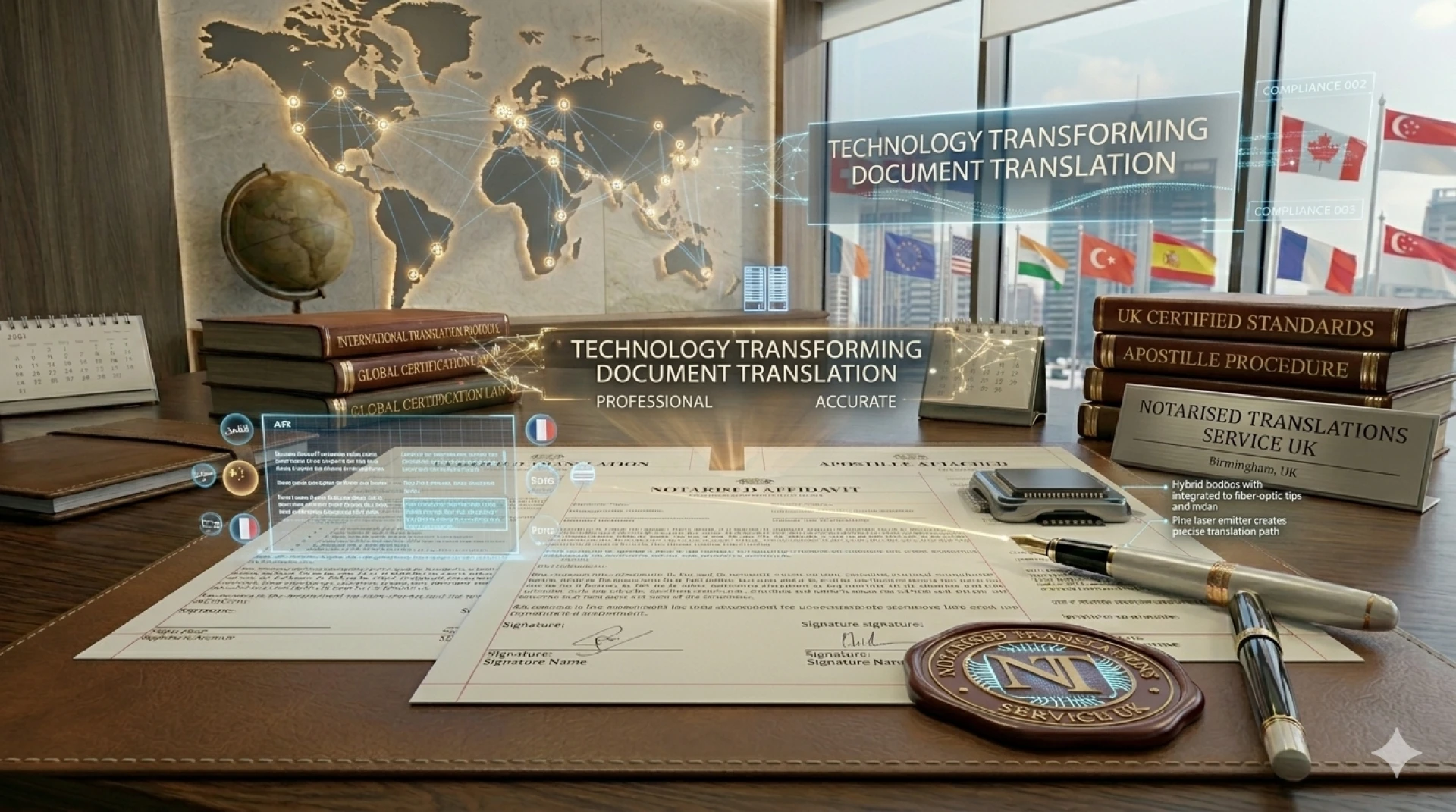

For centuries, translation was a slow, almost artisanal craft. A translator sat with a document, a dictionary, and time — lots of time — carefully interpreting one language into another. That image still exists today, but the tools around the translator have changed dramatically. Software now assists with terminology, databases store previous translations, and machine translation systems can generate rough drafts in seconds. Technology has unquestionably reshaped how modern translation services operate. Yet something interesting has happened along the way: the more complex global communication becomes, the more essential professional translators remain. Across the UK, organisations handling international documentation often rely on providers such as Notarised Translations UK where human expertise works alongside modern translation tools to ensure accuracy and legal reliability. Technology has transformed the industry — but it hasn’t replaced the people who understand the meaning behind the words.
The Role of Translation Software in Modern Language Services
Technology first entered the translation industry as a productivity tool rather than a replacement for human translators. Over time, specialised software began helping translators manage complex multilingual projects more efficiently. Today, many professional translators use what are known as translation memory systems.
Translation Memory and Terminology Databases
Translation memory software stores previously translated phrases and sentences. When similar text appears in a new document, the system suggests earlier translations. For translators working with technical or legal documentation, this tool becomes incredibly useful. Legal contracts, regulatory filings, and corporate documentation often contain repeated terminology. Translation memory helps maintain consistency across large documents and long-term projects. For example, when working on business contract translation UK projects, translators may encounter identical clauses across multiple agreements. Using stored translations ensures those clauses remain consistent every time they appear.
Terminology Management Tools
Professional translation software also includes terminology databases. These systems store approved translations for specialised terms. This feature becomes especially valuable when dealing with legal or technical documents, where precise terminology must remain consistent across the entire document. Instead of relying on memory alone, translators can consult the terminology database to ensure each term is translated the same way throughout the project. Technology in this sense acts as a support system — improving efficiency while protecting legal document translation accuracy UK standards.
Human Translators vs Machine Translation for Legal Documents
Machine translation tools have improved significantly in recent years. Systems powered by artificial intelligence can generate readable translations quickly, sometimes within seconds. For casual communication, this technology can be extremely useful. Legal documentation, however, presents a very different challenge.
The Limits of Automated Translation
Machine translation works by identifying patterns in language data. It predicts how phrases should appear in another language based on previous examples. This method works well for everyday sentences. But legal language is rarely ordinary. Legal documents often contain:
- specialised terminology
- complex sentence structures
- references to legal frameworks
- subtle distinctions between similar concepts
Machine translation systems may translate these elements literally without recognising their legal implications. A phrase that appears correct grammatically may still carry the wrong legal meaning.
Why Context Matters in Legal Translation
Human translators interpret language within context. They understand how legal clauses function within contracts, court records, or regulatory filings. For instance, a term describing liability in a business agreement might carry different legal implications depending on the jurisdiction. A human translator recognises this nuance and selects wording that preserves the intended legal meaning. Automated systems rarely interpret context at this level. This is why legal professionals often rely on professional legal translators UK who understand both language and legal frameworks.
Why Legal Translation Still Requires Human Expertise
Technology can assist with translation, but certain aspects of legal documentation require human judgement. Professional translators approach legal documents not just as language but as legal instruments.
Interpreting Legal Meaning
Legal translation often requires interpreting how a clause functions within a legal system. For example, contractual clauses may reference legal concepts that exist in one jurisdiction but not in another. Translators must determine how to represent that concept accurately within the target language. This process involves both linguistic and legal understanding.
Preserving Legal Structure
Legal documents rely heavily on structure — clause numbering, cross-references, and specific formatting conventions. Professional translators ensure that translated documents preserve this structure so authorities can review them effectively. This becomes especially important when translating materials used in legal proceedings, such as court document translation UK submissions. Courts often compare translated documents directly with the original record.
Ensuring Accountability and Certification
In many official situations, translated documents must include certification confirming their accuracy. Professional translators provide declarations stating that the translation faithfully represents the original document. This level of accountability cannot be replicated by automated translation tools.
The Future of Translation Services in Global Documentation
The translation industry continues to evolve as technology advances. New tools, artificial intelligence systems, and automated workflows are improving efficiency across the field. Yet rather than replacing human translators, technology is increasingly becoming a partner in the translation process.
Technology as a Supporting Tool
Modern translators use technology to handle repetitive tasks and maintain consistency across large projects. Software helps track terminology, manage complex formatting, and maintain translation databases. These tools allow translators to focus their attention on the more complex aspects of translation — interpretation, context, and meaning.
Increasing Demand for Specialist Translation
As global business, migration, and international cooperation continue to grow, the demand for accurate translation services is increasing. Legal agreements, immigration records, academic documentation, and corporate filings all require precise translation before they can be accepted by authorities. This demand reinforces the need for translators who combine language expertise with professional knowledge of legal systems. For organisations handling international documentation, working with trusted professional translation services UK ensures that translated documents remain accurate, credible, and ready for official use.
Conclusion
Technology has transformed the translation industry in remarkable ways. Tools such as translation memory systems, terminology databases, and automated workflows have improved efficiency and consistency across translation projects. However, legal and official documentation still requires something technology cannot fully provide — human interpretation. Legal language operates within complex legal systems where context, intent, and structural accuracy matter as much as the words themselves. Professional translators understand these nuances and ensure that translated documents maintain their legal meaning. By combining modern translation technology with human expertise, professional translators continue to play an essential role in global communication. In an increasingly interconnected world where documents regularly cross languages and legal systems, accurate translation remains a critical bridge — one that technology supports, but human expertise ultimately safeguards.






























Sign in to leave a comment.